
Neurodynamic Rehab
If you've been told your imaging looks fine but your symptoms won't quit, the answer is often in how your nervous system is moving — not just where it's compressed.

REHAB BUILT FOR THE NERVOUS SYSTEM
Numbness, tingling, burning, shooting pain, or weakness that won’t go away is often a nerve problem — not just a muscle or joint problem. At Function Performance Sport Chiropractic in Oregon City, we specialize in neurodynamic rehabilitation: a targeted, hands-on approach to diagnosing and treating both central and peripheral nerve dysfunction so you can move freely and perform without limitation.
We treat the full spectrum of central and peripheral nerve conditions, including those that develop gradually through sport and those that result from acute injury.
Nerve-driven pain is different. It does not always respond to generic rehab, and it often gets worse when treated like an ordinary muscle or joint problem. Neurodynamic rehab is a specialized approach that treats the nervous system the way it needs to be treated.
WHY NEURODYNAMIC REHAB WORKS
Why Nerve Pain Is Different
Nerve-driven pain is not the same as muscle or joint pain. It does not always respond to generic rehab, and it frequently gets worse when treated like an ordinary musculoskeletal problem. Shooting pain down the leg, tingling in the fingers, numb patches, burning along the outside of the thigh, unexplained weakness: these are signals that a nerve is irritated or restricted somewhere along its path.
At Function Performance Sport Chiropractic in Oregon City, neurodynamic rehab is a specialized approach designed specifically for these conditions. It treats the nervous system on its own terms, using principles and techniques refined over decades of research and clinical practice.
How Nerves Are Supposed to Move
Nerves run through long, winding paths from the spine to your fingertips and toes. Along the way, they pass through tunnels of muscle, fascia, bone, and connective tissue. They are designed to slide and glide as you move. Flex your knee, and the sciatic nerve slides proximally. Reach overhead, and the median nerve glides through the shoulder and elbow.
When that normal movement is restricted, through injury, surgery, chronic posture, overuse, or surrounding tissue dysfunction, the nerve becomes irritated. The result can be:
-
- Radiating pain into an arm or leg
-
- Tingling, numbness, or burning
-
- Patchy weakness that does not fit a simple muscle strain
-
- Pain that worsens with specific positions or movements
-
- Symptoms that seem to move around or flare unpredictably
These are nerve symptoms. They need a nerve-specific approach.
Conditions We Treat
Neurodynamic rehab is effective across a wide range of conditions, including:
Disc injuries & radiculopathy
Disc herniations, bulges, and protrusions that compress spinal nerve roots — causing radiating pain, numbness, or weakness into the arms or legs (cervical or lumbar radiculopathy).
Spinal stenosis
Narrowing of the spinal canal that places chronic mechanical stress on the spinal cord or nerve roots, often causing symptoms that worsen with activity or sustained postures.
Nerve entrapments from muscular imbalance
Peripheral nerves that become trapped or compressed by tight, overactive, or hypertrophied muscles — common in athletes with high training volumes and repetitive movement patterns.
Overuse-related nerve dysfunction
Repetitive loading and movement patterns that gradually irritate peripheral nerves over time — frequently seen in runners, cyclists, throwers, and overhead athletes.
Carpal & cubital tunnel syndromes
Median and ulnar nerve compression at the wrist and elbow — causing hand numbness, grip weakness, and symptoms that interfere with sport and daily function.
Thoracic outlet syndrome
Compression of nerves and vessels between the collarbone and first rib — common in swimmers, baseball players, and athletes with forward-loaded postures.
How we treat nerve dysfunction
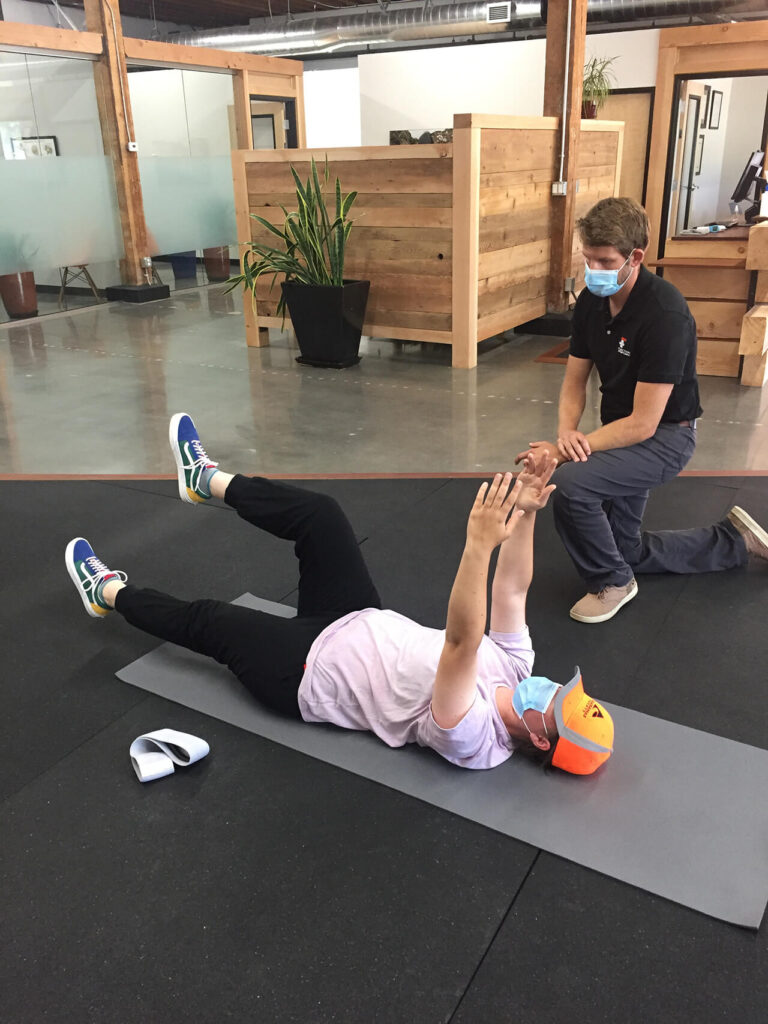
Our neurodynamic rehabilitation approach combines hands-on manual therapy with progressive movement therapy to restore normal nerve mechanics and function — not just manage symptoms.
Neural glides
Gentle, rhythmic movements that encourage a nerve to slide freely through surrounding tissues — reducing mechanical sensitivity and restoring normal nerve mobility without provoking symptoms.
Neural sliders
A specific neurodynamic technique that alternately tensions and releases a nerve from both ends, creating a flossing effect that mobilizes the nerve through tight or adhered tissue.
Neural tensioners
Progressive loading techniques that place the nerve under controlled tension to improve its capacity to tolerate mechanical stress — building nerve resilience for the demands of sport and training.
Beyond hands-on techniques, we integrate movement therapy — addressing the postural faults, muscular imbalances, and movement patterns that created the nerve problem in the first place. Treating the nerve without correcting what caused the compression is an incomplete solution. We address both.
What Treatment Looks Like
Neurodynamic rehab is progressive. Early stages focus on calming the irritated nerve, reducing the symptoms that most affect your life, and restoring basic mobility. Middle stages introduce specific nerve gliding and tensioning exercises that restore normal neural mechanics. Later stages load the nerve and its supporting tissue to full functional capacity.
Throughout, we combine neural work with manual therapy for the surrounding tissue. A nerve trapped in a tight hip flexor or restricted fibular head will not stay free if the tissue around it is not also addressed.
Who Benefits Most
If you have been dealing with pain, tingling, or numbness that has not responded to standard physical therapy, chiropractic care, or exercise, neurodynamic rehab is frequently what your condition actually needs. Many of our patients arrive after months or years of stalled care, and find real progress once nerve-specific principles are applied to their case.
Book your performance evaluation today and start with a thorough neurodynamic assessment.
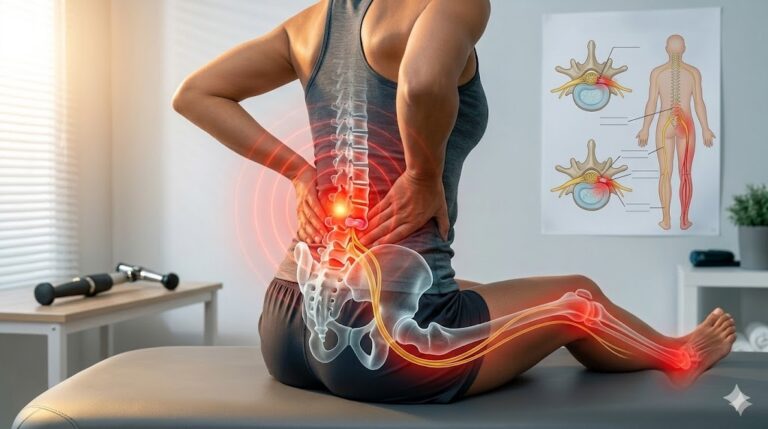
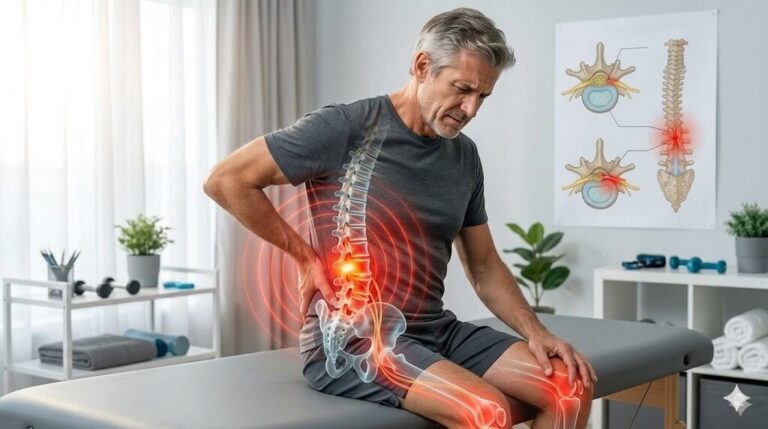
What we Can Treat with
Neurodynamic Rehab
Restore your mobility and find lasting relief. Neurodynamic Rehab is a proven solution for managing the following conditions:


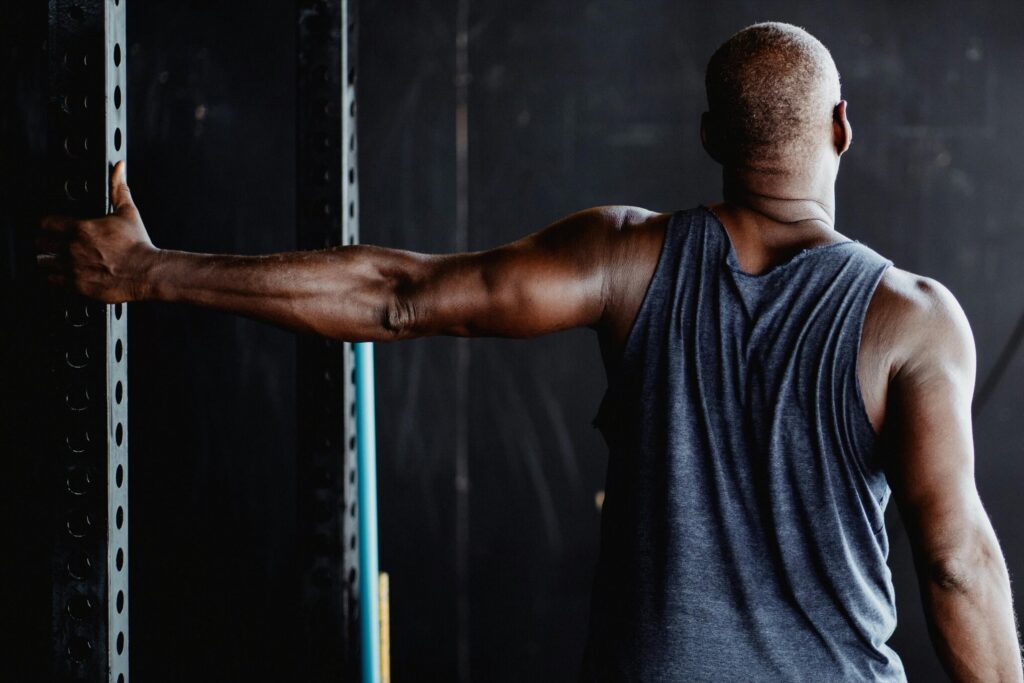
Rehab Built for the Nervous System
Nerve pain has its own rules. Treating it like a muscle strain makes it worse. Our neurodynamic approach treats the actual tissue at fault.
Why Neurodynamic Rehab Works
This specialized approach treats the nervous system on its own terms, producing results that non-specific rehab cannot match.
Book Your Performance Evaluation Today
Dealing with shooting pain, tingling, numbness, or unexplained weakness? Start with a full neurodynamic assessment and get a real answer.

Common Questions About Neurodynamic Rehab
Stretching pulls on muscle. Neurodynamic techniques specifically target the nerve, either encouraging it to slide through surrounding tissue or placing a controlled tension on it. The movements are precise, and stretching a sensitive nerve the wrong way can make symptoms worse.
In many cases yes. Most disc-related radiculopathies can be managed very effectively with the right combination of nerve care, manual therapy, and progressive loading. We also coordinate imaging or referral when it is needed.
Most patients notice meaningful change within the first few visits, especially in pain intensity and distribution. Full resolution varies based on the condition and how long it has been present, but steady progress should be measurable throughout care.
Often yes. Post-surgical scar tissue can restrict nerve mobility, and some patients continue to have nerve symptoms after otherwise successful procedures. Neurodynamic rehab is frequently the missing piece in those cases.
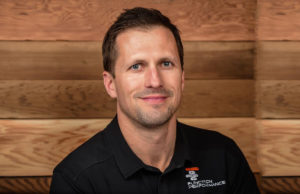
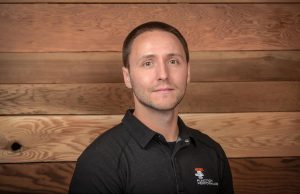
Our Practitioners
Certifications and Therapy





Why Choose Function Performance?
Advanced Neurodynamic Training
Our providers have specialized training in neurodynamic assessment and rehabilitation, drawing from the best evidence in spinal and peripheral nerve care.
Integrated With Manual Therapy
We combine neurodynamic rehab with manual therapy and nerve mobilization, treating both the nerve itself and the surrounding tissue restricting it.
Clear, Progressive Plans
Nerve rehab requires careful progression. We move you through specific stages, relief first, then mobility, then loading, so symptoms resolve and do not return.

We don’t do cookie-cutter massage. We tailor everything to you.




