
Functional movement assessment
Discover how your body really moves—and how small changes can make a big difference.

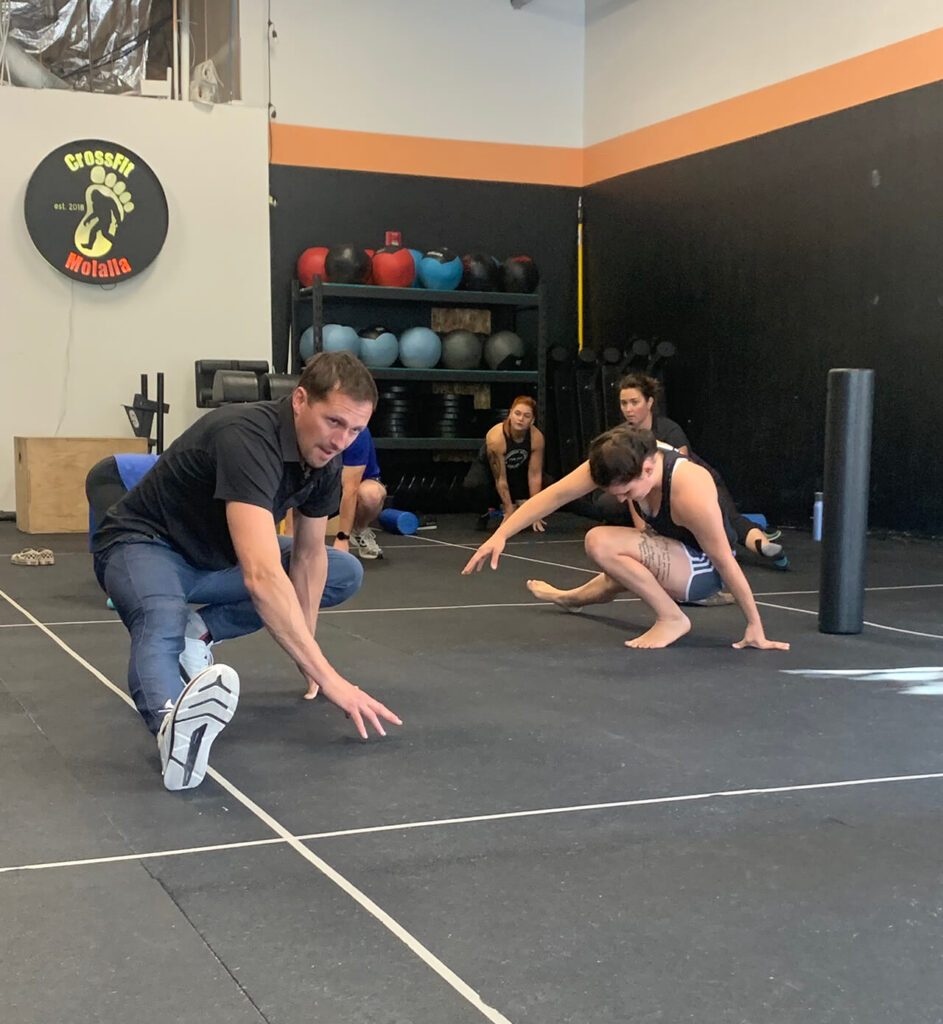
Identify how your body moves — and where it breaks down.
Pain doesn’t start because a single muscle is “tight” or a joint is “out.”
It starts when your body loses the ability to move well.
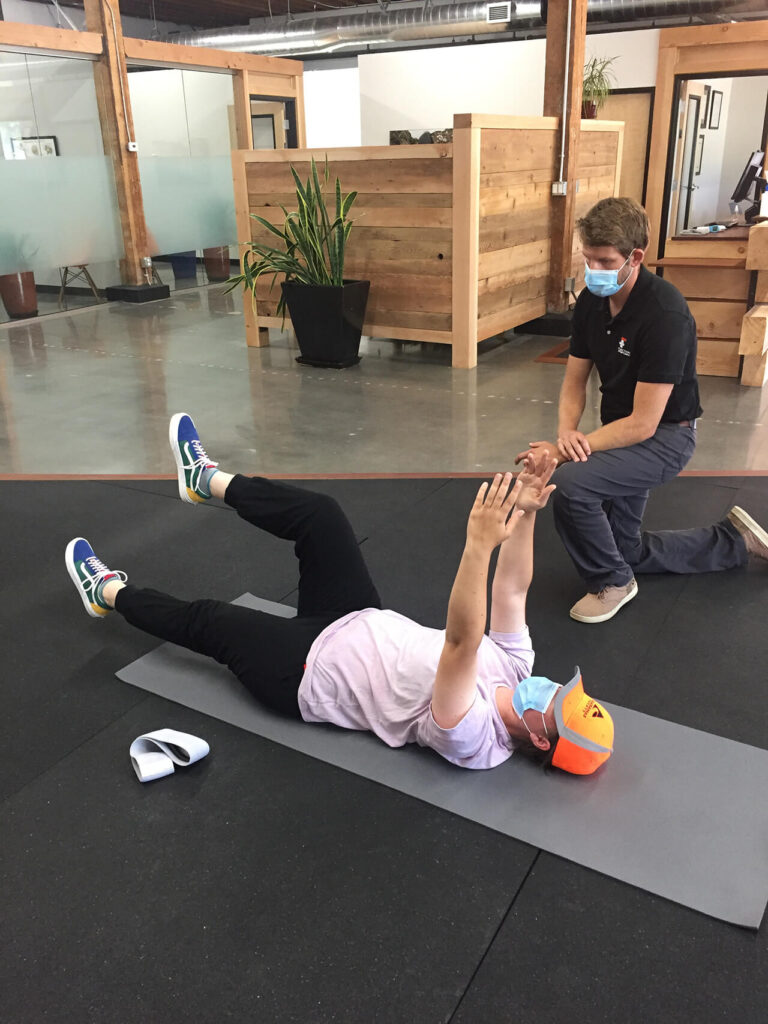
That’s why every plan in our clinic includes a Functional Movement Assessment — a detailed evaluation of how your entire body moves, stabilizes, and coordinates during real-life and athletic tasks.
What We Look For
During a Functional Movement Assessment, we analyze key movement patterns to identify:
- Mobility restrictions
- Compensation patterns
- Motor control deficits
- Weak links in strength and stability
- Asymmetries that contribute to pain or injury risk
We watch how you squat, hinge, reach, twist, lunge, and stabilize — not just how you lie on a table. This gives us insight into the root cause of your pain, not just the symptoms.
THE TOOLS WE USE FOR PRECISION
Why Assessment Matters
Every effective treatment plan starts with a real assessment. Not a quick visual glance, not a five-minute intake. A systematic look at how your body actually moves, how it responds to load, and where breakdowns happen under stress.
At Function Performance Sport Chiropractic in Oregon City, functional movement assessment is the foundation of everything we do. It is how we find the real cause of your pain, identify injury risk patterns before they become diagnoses, and build treatment plans that actually address what is wrong.
Pain Is Rarely Where the Problem Is
One of the most important lessons in sports medicine is that pain and pathology are often in different places. Consider a few common examples:
-
- Knee pain that originates from poor hip rotation or weak glute control
-
- Shoulder impingement driven by restricted thoracic spine mobility
-
- Low back pain rooted in limited ankle dorsiflexion affecting gait
-
- Chronic hamstring strains tied to lumbopelvic stability deficits
If you only treat the painful area, you miss the actual driver. The pain comes back because the root cause was never addressed.
What a Thorough Assessment Includes
Our functional movement assessment covers several interconnected layers:
Joint mobility and range of motion. Where does your body move freely, and where is it restricted? Restrictions create compensations, and compensations create pain.
Motor control and movement patterning. How well do you coordinate complex movements? Squat, hinge, rotate, reach, single-leg stance. Poor patterning shows up under load, even when isolated strength is fine.
Strength and stability. Where are your weak links? Not gym strength, but the ability to control force and position across the full body.
Load tolerance. How does your body respond when we introduce real-world demands? Many problems only show up under load, which is why static testing is not enough.
Sport or activity-specific demands. What are you actually trying to do? A marathoner, a powerlifter, a climber, and a desk worker all need different screening.
Tied Directly to Your Treatment Plan
Your assessment is not a stand-alone report that sits on a shelf. Every finding feeds directly into the manual therapy, corrective exercise, and progressive rehab plan we build with you the same visit. You walk out understanding exactly what we found, why it matters, and what the plan does to address each issue.
We also use your assessment as a baseline. As you progress through care, we retest key findings to objectively measure improvement and adjust the plan as you change.
Who Benefits
Anyone trying to move better, eliminate pain, or reduce injury risk benefits from a thorough assessment. That includes patients dealing with current pain, athletes preparing for a season or event, people recovering from surgery or past injury, active adults who want to stay active as they age, and anyone whose previous care did not solve the problem.
Book your performance evaluation today to get an honest picture of how your body is moving and a plan that actually fits.

What we Can Treat with
Functional movement assessment
Restore your mobility and find lasting relief. Functional movement assessment is a proven solution for managing the following conditions:
Build a Better Foundation for Movement
Get a clearer picture of your body’s movement health—and take action before pain or injury takes hold.

Why Functional Movement Assessments Work So Well
When you understand how your body moves, you can treat the real problem—not just the pain.
Don’t Just Power Through the Pain—Fix the Root Cause
Book your Functional Movement Assessment today and take the first step toward stronger, smarter movement.
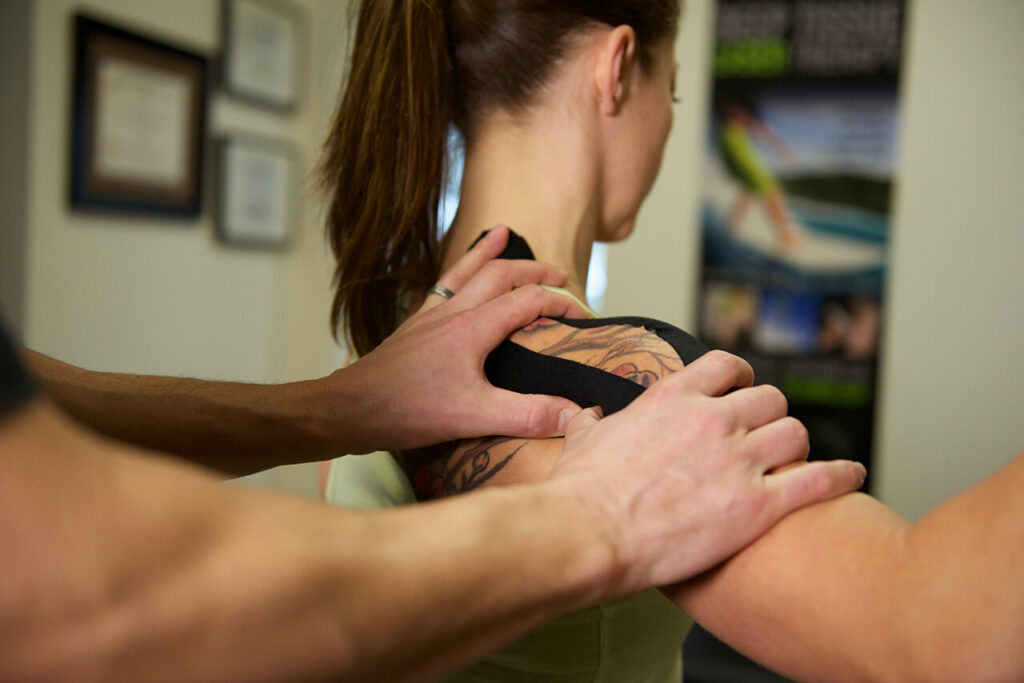
Common Questions About Functional movement assessment
Assessments typically take 30–45 minutes, depending on your goals and current condition.
We recommend wearing athletic wear or comfortable clothing that allows for easy movement.
Yes! In many cases, we can start your rehab or corrective plan right after your assessment.
Nope! While athletes benefit greatly from FMAs, it’s just as useful for office workers, busy parents, or anyone who wants to move and feel better.
Functional Movement Assessments are often part of your overall treatment plan, which may be covered by your insurance. We’ll review your benefits with you before your visit.
Our Practitioners


Certifications and Therapy







Why Choose Function Performance?
Trained in Advanced Movement Screening
Our providers use SFMA and FMS to detect subtle patterns most assessments miss.
Personalized Treatment Planning
Every assessment leads to a fully customized rehab or training strategy.
Integrated Care Team
We collaborate across disciplines—from chiropractic to massage therapy—to ensure your care is complete and cohesive.
For Athletes & Everyday Movers
Whether you’re active or just want to be, we tailor every session to fit your goals and lifestyle.


We don’t do cookie-cutter massage. We tailor everything to you.




