
Functional Rehab Therapy
Progressive loading and movement retraining that resolves the root cause of your injury, not just the symptoms, so you come back stronger.
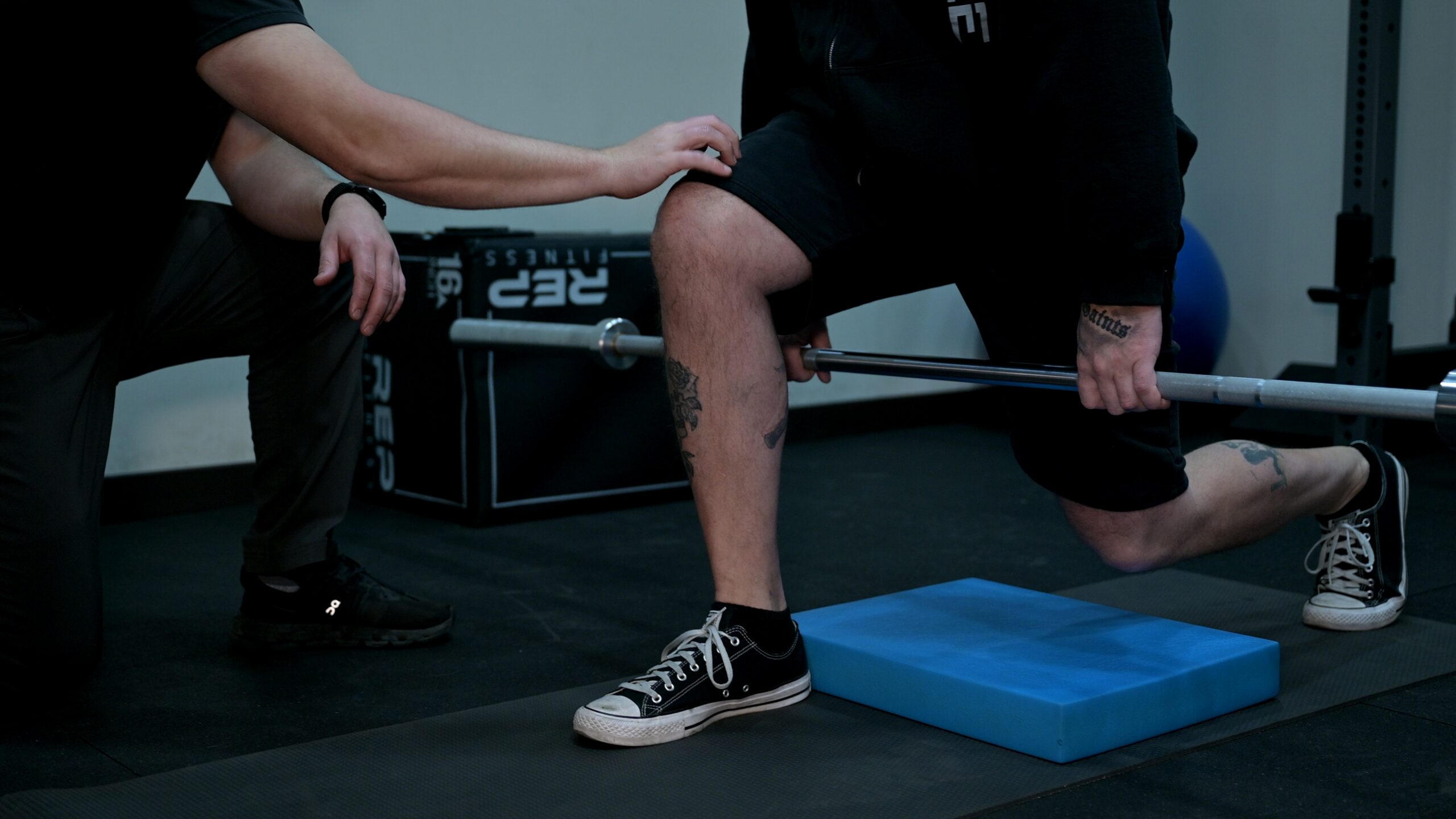
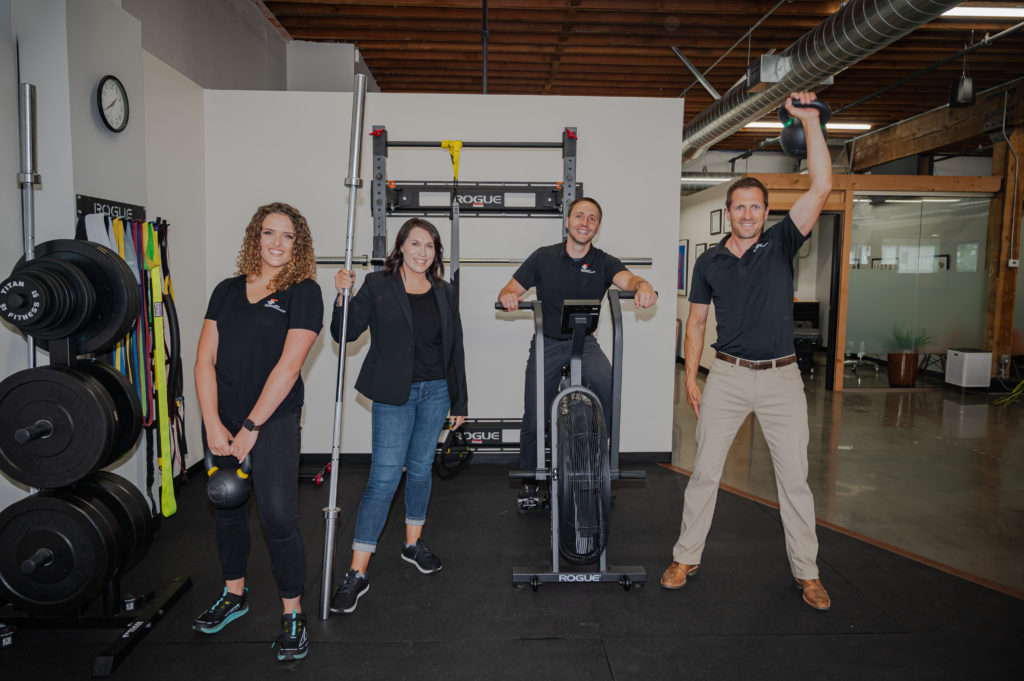
Restore mobility. Rebuild strength. Retrain movement that lasts.
Functional Rehabilitation is the foundation of long-term recovery in our clinic. After your comprehensive exam, we design a targeted rehab plan that directly addresses the mobility restrictions, motor control deficits, and specific weaknesses contributing to your pain.
This is not generic exercise handouts or cookie-cutter stretches.
It’s precision rehab — built around what your body needs.
Our Functional Rehab therapy Treatments
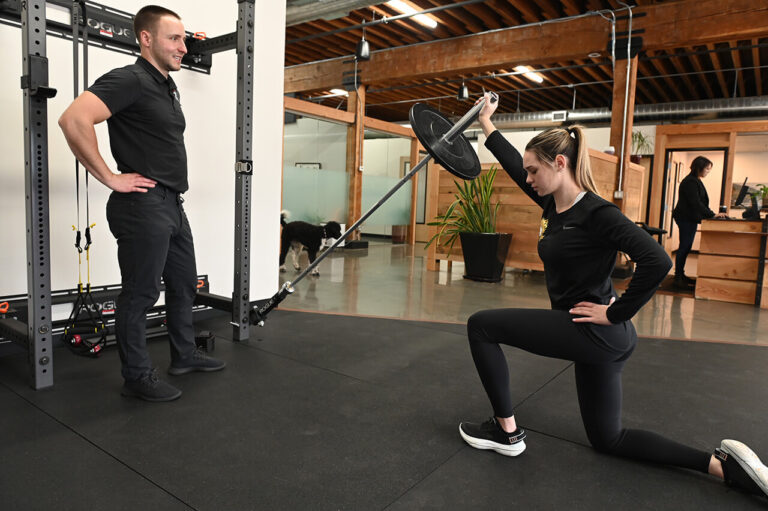
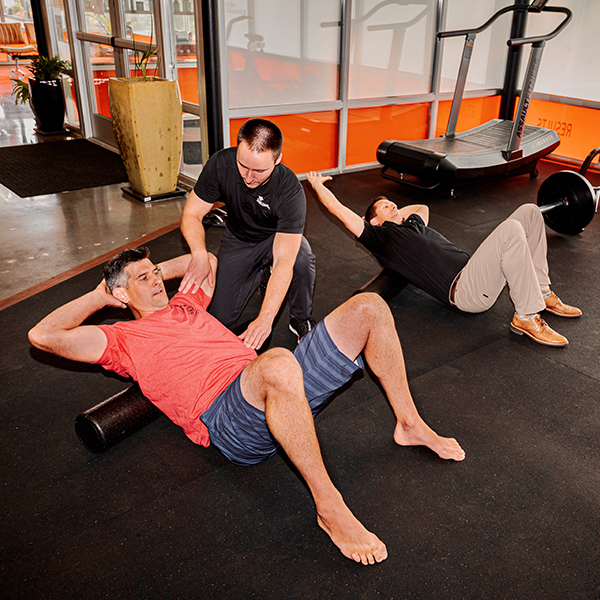

A TAILORED PATH TO PAIN-FREE PERFORMANCE
Rehab That Actually Rebuilds You
Functional rehab therapy is how we make recovery last. At Function Performance Sport Chiropractic in Oregon City, manual therapy resolves the tissue problem in clinic, but rehab builds the capacity, motor control, and movement patterns that keep it from coming back. Without that second piece, you end up in a revolving door of short-term relief and recurring pain.
Our rehab program is not a generic exercise sheet. Every plan is built from a thorough functional movement assessment, targeted corrective exercise, progressive loading, and sport-specific return-to-play work when that is the goal.
How It Works
Every rehab plan at FPSC starts with assessment. We look at how you move, where your movement breaks down under load, which tissues are contributing to the problem, and what your actual demands are. That information tells us what to address and in what order.
From there, we build a progressive plan that includes:
Corrective exercise. Targeted work that retrains motor patterns, restores mobility, and addresses the specific deficits identified in your assessment.
Progressive loading. Measured, structured increases in force and complexity so tissues and motor patterns become strong and resilient, not just less painful.
Neurodynamic rehab. For conditions with a nerve component, specific mobilization and loading progressions that restore normal nerve function.
Sport-specific return-to-play. For athletes, deliberate progressions that take you from rehab exercises to sport-specific demands and full return.
Who It Is For
Our approach works for anyone who wants to move well and stay out of pain. That includes:
- Runners dealing with repetitive injuries or training breakdowns
- Climbers, lifters, and CrossFit athletes managing high-demand sport loads
- Throwing and overhead athletes working through shoulder or elbow issues
- Field and court athletes recovering from ACL, meniscus, or shoulder surgery
- Desk workers whose bodies are breaking down from extended sitting
- Active adults who refuse to accept that getting older means accepting chronic pain
The principles scale. Whether you are coming back from surgery or training for a race, progressive rehab is what builds lasting capacity.
Why Our Approach Is Different
The fundamental difference at FPSC is integration. Manual therapy, rehab, and progressive loading all happen in the same visit, with the same provider, built around a sport-focused assessment. No handoffs between disconnected providers. No generic exercise handouts. No plans that plateau because the next step is not clear.
We also have advanced training in return-to-sport progressions. Our providers spend real time with high-level athletes and apply those same principles of loading, periodization, and progression to every patient we see.
What Functional Rehab Includes
Mobility Restoration
We focus on improving joint and soft tissue mobility where it matters most.
By restoring full, healthy motion, we reduce compensation patterns and take pressure off irritated tissues.
Motor Control Training
Pain changes the way you move.
We retrain proper sequencing, stability, and coordination so your body learns to move efficiently and safely again — especially during real-life tasks and athletic demands.
Strength-Based Corrective Exercise
Specific weaknesses identified in the exam are addressed with progressive, targeted strengthening drills.
These create durability, power, and the capacity to handle the stresses of your daily life, training, and sport.
Simple, Effective, and Easy to Perform Anywhere
Your rehab plan is designed to fit your lifestyle.
We use exercises that can be performed at home or in the gym with minimal equipment, making consistency easy and progress steady.
Each exercise is selected to correct a precise imbalance — whether it’s hip stability, shoulder control, spinal mobility, or postural strength.
Why Functional Rehab Works
When you address mobility loss, motor control issues, and strength deficits together, you:
- Relieve pain faster
- Restore efficient movement
- Prevent injuries from returning
- Build a stronger, more resilient body
- Improve performance in daily life, work, and sport
Functional Rehabilitation is how we turn short-term improvements into long-term results.
The End Goal
We are not trying to keep you coming in. We are trying to get you out, stronger and more resilient than when you walked in. Every plan has measurable goals, and we discharge you when you meet them.
Book your performance evaluation today and find out what a real rehab plan can do for you.
Common Questions About Functional Rehab therapy
There is real overlap. The key difference at FPSC is integration: you get manual therapy, rehab, and progressive loading from the same provider in the same visit, built around a sport-focused assessment. No handoffs, no disconnected plans.
Not at all. Our approach works equally well for lifelong athletes, weekend warriors, desk workers, and retirees. The principles of progressive loading and movement competence apply to everyone who wants to move without pain.
Most issues resolve within four to eight weeks of consistent care, though timelines vary based on the condition, how chronic it is, and your activity level. We reassess regularly and discharge you when you meet measurable goals.
That is one of the most common reasons patients come to us. Generic, non-progressive rehab often fails to address the real cause. Our assessment usually reveals what was missed, and our progressive approach produces the change that stalled before.




