
Spinal Stenosis
Narrowing of the spinal canal or nerve openings producing leg pain, heaviness, and limited walking tolerance. Highly treatable with the right approach.

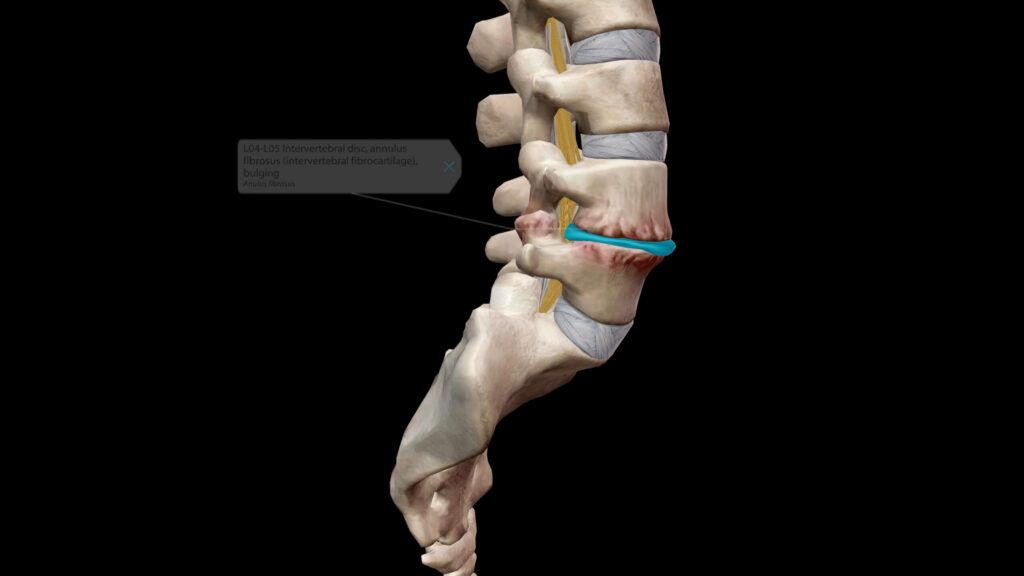
What Is Spinal Stenosis?
Spinal stenosis is a narrowing of the spinal canal or the openings where nerve roots exit the spine. This narrowing can compress the spinal cord or nerve roots, producing a distinctive pattern of symptoms that typically worsens with extended standing or walking and improves with sitting or bending forward.
Stenosis most commonly affects the lumbar spine (low back), though cervical stenosis (neck) also occurs. At Function Performance Sport Chiropractic in Oregon City, we treat spinal stenosis with an active conservative approach that often restores significantly more function than people expect. While the structural narrowing itself does not typically reverse without surgery, the symptoms driving your limitations are highly responsive to the right care.
Stenosis Symptoms Are Treatable
The narrowing may be permanent, but the symptoms that limit your life often are not. Most stenosis patients regain substantial function with the right plan.
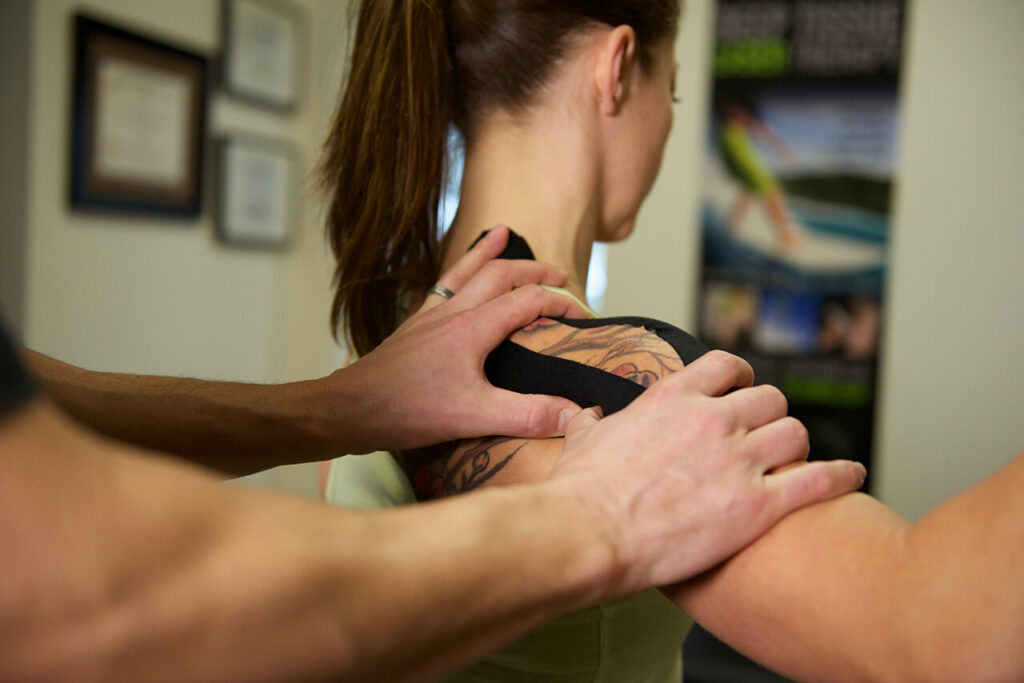
STENOSIS SYMPTOMS ARE TREATABLE
How Stenosis Happens
The spinal canal gradually narrows over time, usually as a result of several combined age-related changes:
-
- Disc degeneration that reduces disc height and increases bulging
-
- Facet joint enlargement (hypertrophy) from degenerative arthritis
-
- Thickening of the ligamentum flavum, the ligament that lines the back of the canal
-
- Bone spur formation around joints and disc spaces
When this narrowing reaches a point where it compresses neural structures, symptoms begin to appear. The specific symptoms depend on what is being compressed (nerve roots vs. spinal cord) and where.
The Classic Symptom Pattern
Lumbar stenosis produces a characteristic syndrome called neurogenic claudication:
-
- Leg pain, heaviness, or fatigue that builds with standing or walking
-
- Symptoms that develop over a predictable distance or duration
-
- Relief that comes quickly with sitting, bending forward, or leaning on a cart
-
- Gradual reduction in walking tolerance over months or years
-
- Often, no significant back pain at rest, just the activity-related leg symptoms
This pattern is so consistent that it is often diagnosable from history alone.
Our Treatment Approach
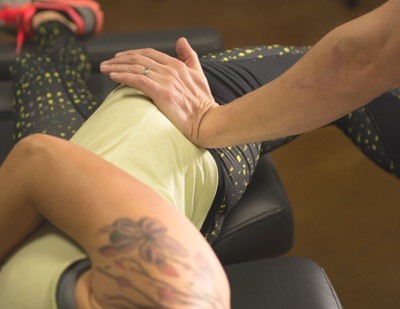
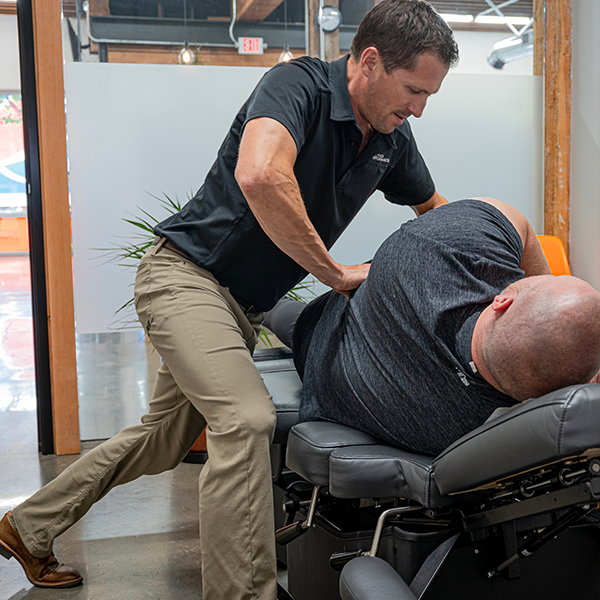
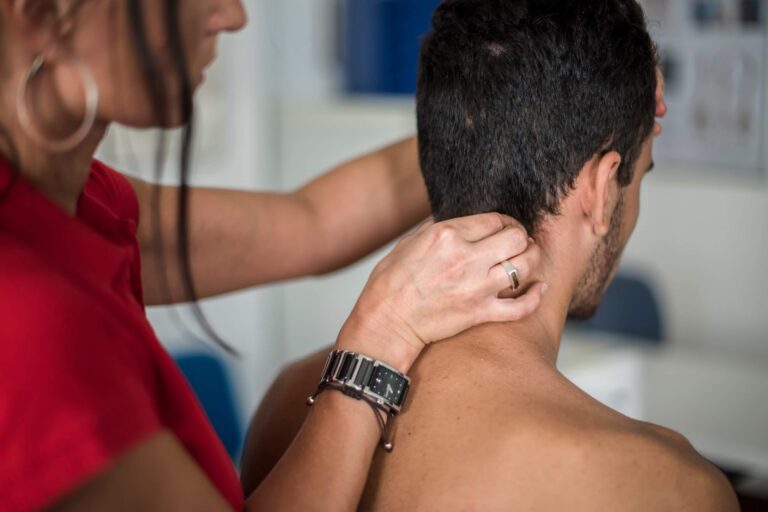
Lumbar manual therapy. Flexion-based mobilization and joint work that supports decompression of neural structures. Targeted soft tissue work on the lumbar paraspinals, hip flexors, and surrounding tissue that may be compounding symptoms.
Neurodynamic rehabilitation. Specific techniques that restore normal nerve mobility along the affected pathway. Reduces sensitivity and improves tolerance to activity.
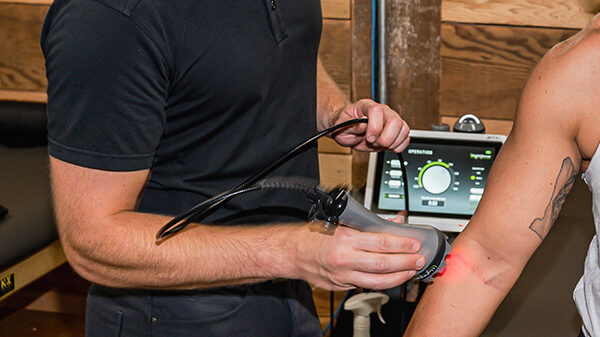
Class 4 laser therapy. Reduces inflammation around the affected nerve roots, often producing meaningful symptom relief during the active treatment phase.
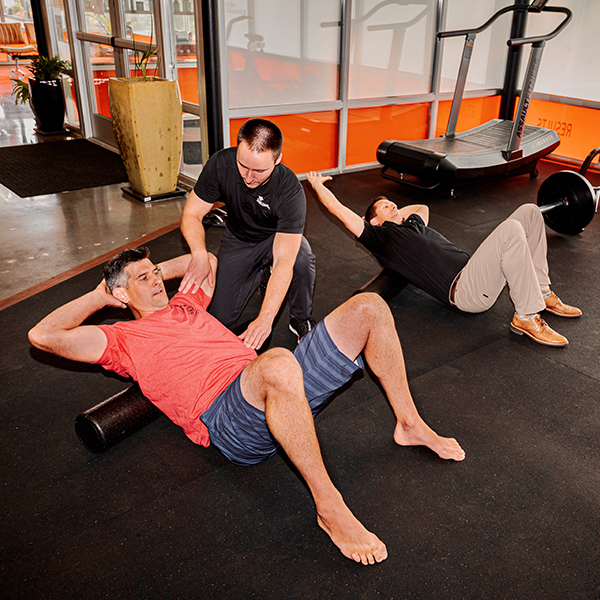
Progressive loading. Structured exercise program emphasizing core stability, hip strength, and gradually expanded walking tolerance. We use specific protocols proven to improve function in stenosis patients.
Posture and activity coaching. Practical guidance on positions and movements that help vs. hurt. Strategies for managing day-to-day activities, sleep position, and daily walking.
What Recovery Looks Like
Most patients experience meaningful improvement in walking tolerance, leg symptom intensity, and overall function within four to eight weeks of integrated care. Many regain substantial activity levels they had given up on. Throughout, we measure objective markers like walking distance, time to symptom onset, and functional tasks so progress stays visible.
When Surgery Is the Right Step
Surgical decompression is the right path for some patients, particularly those with progressive neurological deficits, severe functional limitations that have not responded to comprehensive conservative care, or specific anatomical findings combined with significant disability. When surgery is appropriate, we coordinate consultation with the right specialist and support both pre-operative and post-operative rehabilitation.
For most stenosis patients, however, conservative care is the right starting point and often the only step needed.
Book your performance evaluation today to get a thorough assessment and an active plan for your spinal stenosis.
How we Treat Spinal Stenosis
Explore a full range of evidence-informed therapies designed to
reduce pain, restore movement, and support long-term recovery.

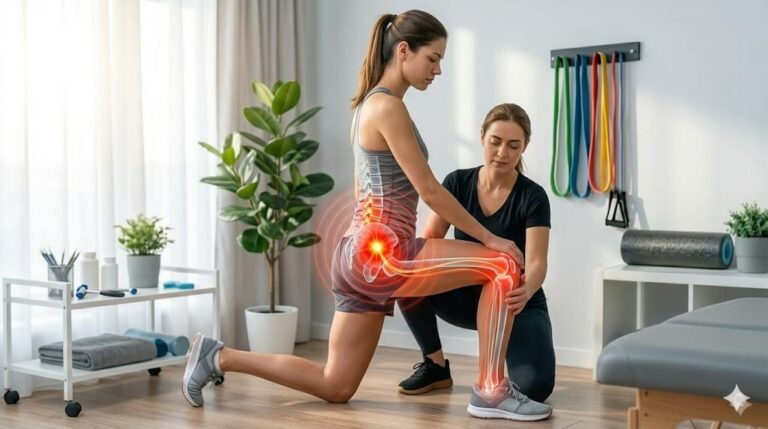
Common Symptoms You May Be Feeling
Spinal stenosis produces a distinctive pattern that makes it identifiable when you know what to look for. If these match your experience, the right care can dramatically change your function.
Book Your Performance Evaluation Today
Dealing with leg symptoms that worsen with walking or standing? Start with a thorough assessment and see what conservative care can actually do.
Common Questions
The structural narrowing itself typically does not reverse without surgery, but the symptoms driving most of your limitations often respond very well to conservative care. Many patients return to substantial activity and walking tolerance without ever requiring surgical intervention.
The spinal canal opens slightly when you bend forward and closes when you extend backward. Sitting and forward bending reduce nerve compression, which is why classic stenosis symptoms ease in those positions. This pattern is so consistent it is part of the diagnostic picture.
Usually imaging is helpful to confirm the diagnosis but does not change the conservative plan. We coordinate imaging when it will genuinely affect treatment or when surgical consultation is being considered. Many patients do well with care guided by clinical exam alone.
Surgery is typically appropriate for progressive neurological deficits, severe functional limitation that has not responded to comprehensive conservative care, or specific anatomical findings combined with significant disability. We coordinate surgical consultation when truly indicated.
Meet the Team
Our Chiropractic Sports Physicians combine advanced soft tissue training with progressive rehab so you move better, perform better, and live better.
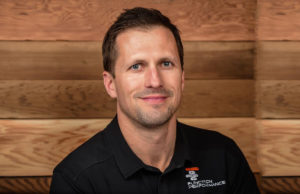
Ben Hokenson DC, DACBSP
Chiropractor
Meet Ben →Dr. Ben is a 2008 graduate of University of Western states earning his doctorate of chiropractic degree with many years of clinical practice and continual training.

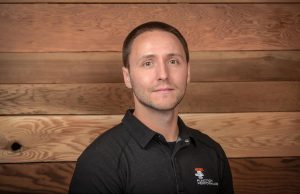
Kyle Bangs DC, MS, CCSP, CSCS
Chiropractor
Meet Kyle →Dr. Kyle Bangs is a native to the Pacific Northwest — growing up hiking, fishing and staying active with various sports and recreation in SW Washington.
Certifications and Therapy





Why Choose Function Performance?
Active Conservative Approach
Most stenosis care is passive. Ours is active. Structured loading and movement retraining can restore far more function than rest or medication alone.
Neurodynamic Expertise
Our specialized training in nerve assessment and rehabilitation lets us address the nerve irritation driving your symptoms, not just the structural finding.
Honest About Imaging and Surgery
MRI findings rarely change the conservative plan, and surgery is the right step for some but not most. We are clear about which path your case actually warrants.
We don’t do cookie-cutter massage. We tailor everything to you.




