
Carpal Tunnel Syndrome
Median nerve compression at the wrist producing tingling, numbness, and weakness in the hand. Most cases respond well to conservative neurodynamic care.

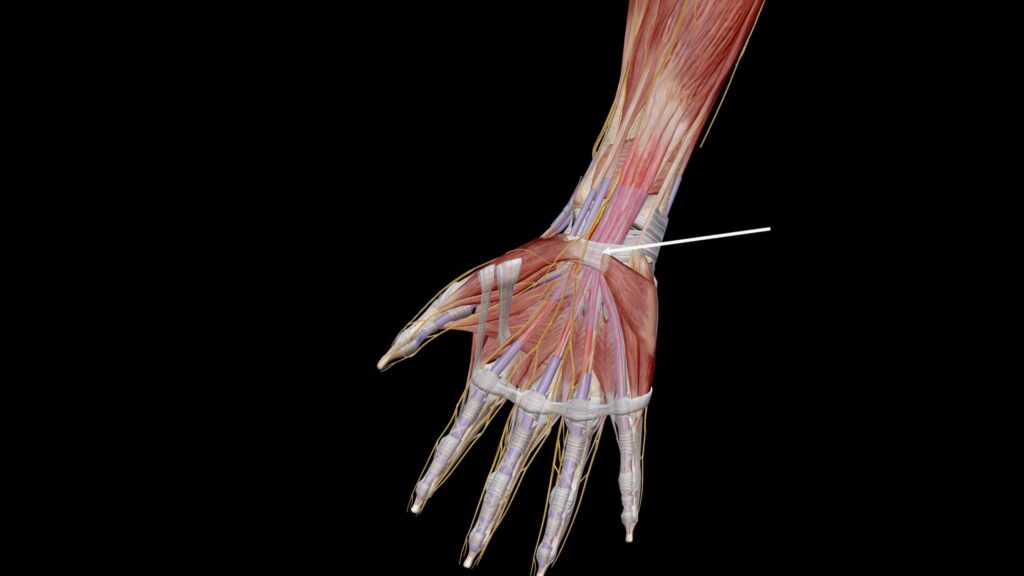
What Is Carpal Tunnel Syndrome?
Carpal tunnel syndrome is a condition caused by compression of the median nerve as it passes through a narrow passage at the front of the wrist called the carpal tunnel. The nerve shares this tight space with multiple tendons and a roof of dense ligamentous tissue, so when swelling, inflammation, or chronic compression occurs, the nerve gets squeezed.
The result is a distinctive pattern of symptoms: tingling, numbness, and eventually weakness in the thumb, index finger, middle finger, and the thumb-side half of the ring finger. Symptoms often worsen at night and with activities like gripping, typing, or driving.
At Function Performance Sport Chiropractic in Oregon City, we treat carpal tunnel syndrome with a full-pathway approach that frequently succeeds where wrist-only treatment fails. Most cases respond well to comprehensive conservative care without requiring surgery.
Conservative Care Often Works
Most carpal tunnel cases respond well to neurodynamic rehab and integrated care. Surgery is real option, but rarely the first step.
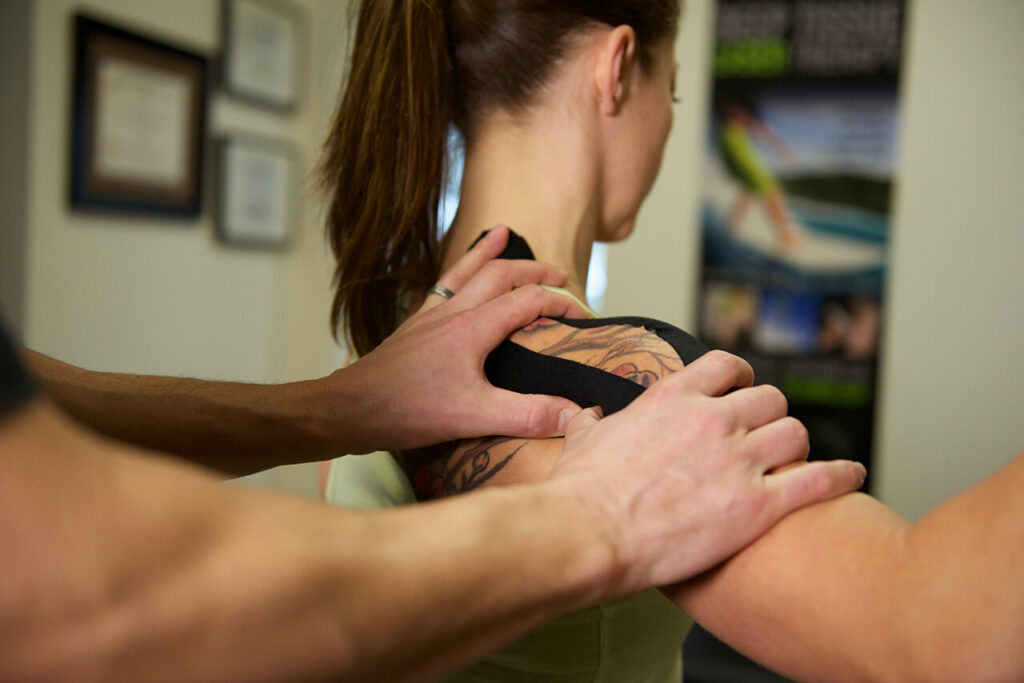
Understanding Your Recovery Path
Why It Happens
The median nerve can become compressed at the wrist for many reasons, and most cases involve more than one factor:
Chronic wrist position. Sustained wrist flexion or extension, common with computer work, certain trades, or sleeping with curled wrists, increases pressure inside the tunnel.
Repetitive use. Repetitive gripping, pinching, or wrist motion can cause tendon inflammation that crowds the nerve.
Fluid retention. Pregnancy, thyroid issues, and other conditions can produce swelling in the tunnel.
Upstream nerve irritation. The median nerve originates in the neck and runs through the shoulder, elbow, and forearm before reaching the wrist. Restrictions anywhere along this path can produce or amplify wrist-level symptoms. This is called double crush syndrome and is much more common than many providers recognize.
Diabetes, arthritis, and other systemic factors. Some medical conditions increase carpal tunnel risk.
The Double Crush Insight
One of the most important things to understand about carpal tunnel syndrome is that the nerve can be irritated at multiple points along its pathway. When this happens, treating only the wrist often fails because upstream irritation continues to compromise the nerve.
A patient with poor cervical spine mobility, tight thoracic outlet structures, restricted pronator teres at the elbow, and a tight carpal tunnel may have classic carpal tunnel symptoms. Releasing only the wrist leaves three other restrictions intact, and symptoms persist.
Our approach evaluates and addresses the entire pathway from the neck to the fingertips. This is often what changes the outcome.
Our Treatment Approach
Median nerve mobilization. Specific neurodynamic techniques applied along the full pathway to restore normal nerve sliding and reduce sensitization. Applied progressively to avoid flaring symptoms.
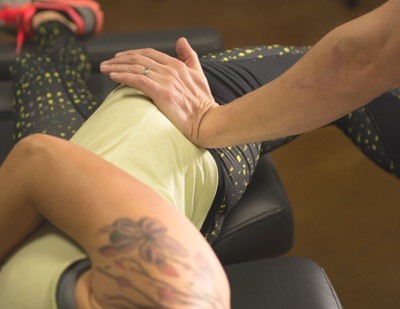
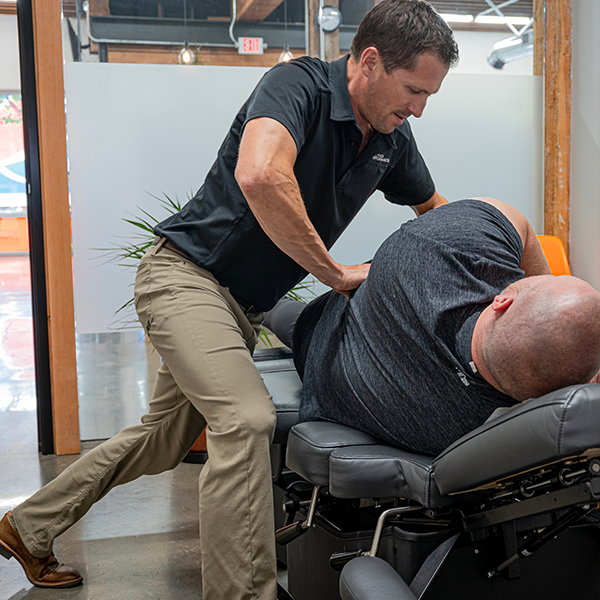
Manual therapy at multiple levels. Cervical spine mobilization, thoracic outlet release, pronator teres and forearm soft tissue work, and direct work at the wrist and carpal tunnel structures. Active Release Technique is particularly effective for the forearm and wrist.
Joint mobilization. Carpal joint mobilization, radioulnar joint work, elbow mobilization, and cervical spine work where indicated. Restoring joint motion supports nerve mobility.
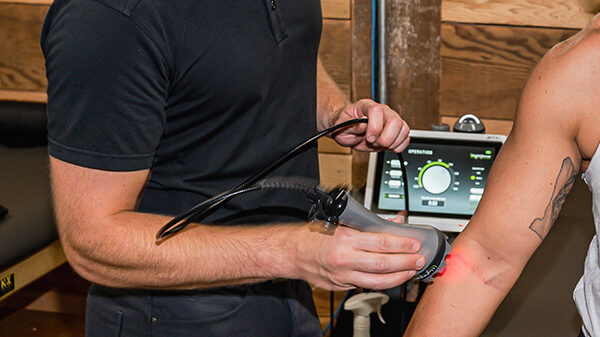
Class 4 laser therapy. Reduces inflammation around the median nerve at the wrist and along the pathway.
Ergonomic and behavioral changes. Workstation evaluation, keyboard and mouse positioning, sleep posture guidance, and night splinting recommendations.
Night splinting. A well-fitted night splint to keep the wrist neutral during sleep is often dramatically helpful, especially for mild to moderate cases. We will help fit and adjust the right splint.
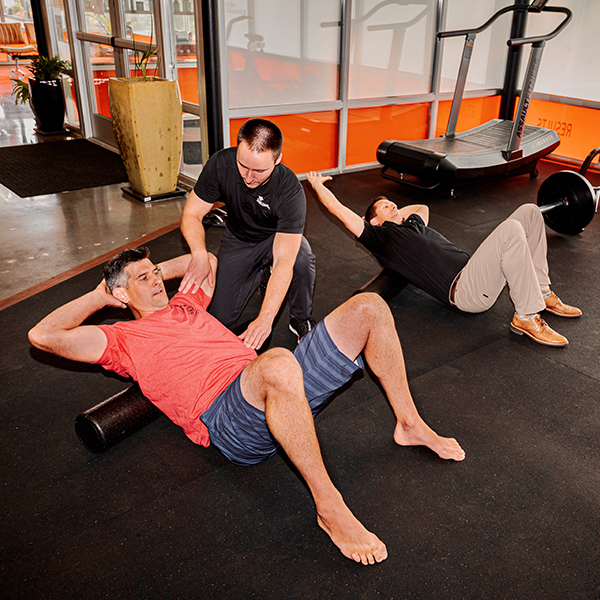
Progressive rehab. Strengthening exercises for grip, wrist, and forearm. Postural and scapular work. Specific exercises to support ongoing nerve health.
When Surgery Is the Right Path
Carpal tunnel release surgery is appropriate for some cases:
-
- Severe symptoms with significant motor weakness or muscle wasting
-
- Electrodiagnostic evidence of severe nerve damage
-
- Failure to respond to comprehensive conservative care over a reasonable time frame
-
- Specific anatomical findings that warrant surgical intervention
For most mild and moderate cases, conservative care is the right starting point and often the only step needed.
What Recovery Looks Like
Most carpal tunnel cases show meaningful improvement within four to eight weeks of integrated care. Mild cases often respond within the first two to three weeks. Severe cases may take longer or may require surgical consultation. Throughout, we track specific markers like symptom frequency, grip strength, and night-time disturbance so progress stays measurable.
Book your performance evaluation today to start with a full pathway assessment and explore conservative options for your carpal tunnel.

How we Treat Carpal Tunnel Syndrome
Explore a full range of evidence-informed therapies designed to
reduce pain, restore movement, and support long-term recovery.


Common Symptoms You May Be Feeling
Carpal tunnel produces a recognizable symptom pattern. If these match your experience, neurodynamic care is the right next step.
Book Your Performance Evaluation Today
Dealing with hand tingling, numbness, or grip weakness? Start with a full pathway assessment and a real conservative care plan.

Common Questions
Most cases of carpal tunnel syndrome respond well to conservative care, particularly mild and moderate presentations. Surgery is typically reserved for severe cases with significant nerve damage or cases that have not responded to comprehensive conservative care. We coordinate surgical consultation when truly indicated.
During sleep, the wrist often bends into positions that compress the median nerve, particularly if you sleep with your wrists curled. Pressure also tends to build at night with less circulation movement. Night splints to keep the wrist neutral often provide significant relief, and we will fit you with the right one.
The median nerve originates from nerve roots in the neck. Irritation in the cervical spine can produce or amplify carpal tunnel symptoms, a pattern called double crush. Our full pathway assessment identifies and addresses upstream contributors, which is often what conservative care has been missing.
Night splints often help significantly, especially for mild to moderate cases, but they are not typically a complete solution. They are most effective when combined with manual therapy, nerve mobilization, ergonomic changes, and progressive rehab. We use them as part of a comprehensive plan.
Meet the Team
Our Chiropractic Sports Physicians combine advanced soft tissue training with progressive rehab so you move better, perform better, and live better.
Ben Hokenson DC, DACBSP
Chiropractor
Meet Ben →Dr. Ben is a 2008 graduate of University of Western states earning his doctorate of chiropractic degree with many years of clinical practice and continual training.

Kyle Bangs DC, MS, CCSP, CSCS
Chiropractor
Meet Kyle →Dr. Kyle Bangs is a native to the Pacific Northwest — growing up hiking, fishing and staying active with various sports and recreation in SW Washington.


Certifications and Therapy









Why Choose Function Performance?
Full Pathway Assessment
The median nerve runs from the neck to the fingertips. We assess and treat restrictions along the entire pathway, which is often why our approach succeeds.
Neurodynamic Specialty Care
Our specialized training in nerve assessment and rehabilitation lets us address carpal tunnel as the nerve condition it actually is.
Honest About Surgery
Most cases do not require surgery, but some do. We are clear about when surgical consultation is the right next step and coordinate it efficiently when needed.
We don’t do cookie-cutter massage. We tailor everything to you.




