
Plantar Nerve Pain
Burning, tingling, shooting, or electric foot pain from nerve entrapment along the tibial or plantar nerve pathway. Specialized care makes the difference.

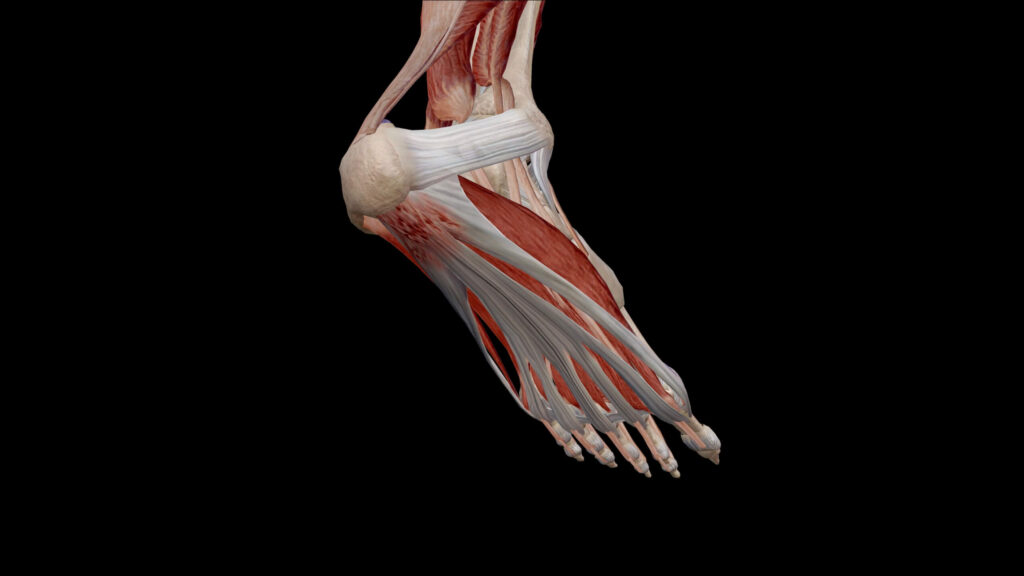
Nerve Pain in the Foot: Often Missed, Highly Treatable
Foot pain is commonly labeled as plantar fasciitis, but a significant portion of persistent foot pain is actually driven by nerve entrapment rather than fascia inflammation. The tibial nerve and its plantar branches can become restricted or compressed at various points along their pathway, producing foot symptoms that do not respond to typical plantar fasciitis care.
At FPSC, our expertise in neurodynamic assessment allows us to identify plantar nerve pain accurately and treat it precisely. The most common entrapment site is the tarsal tunnel on the inside of the ankle, but nerves can become restricted anywhere along the pathway from the spine to the foot. Our approach combines specific nerve mobilization techniques with manual therapy for surrounding tissue and addresses the full chain contributing to nerve irritation.
Not All Foot Pain Is Plantar Fasciitis
Burning, tingling, or electric foot pain is typically nerve-driven. Treating it like plantar fasciitis will not resolve it. Specific nerve care will.
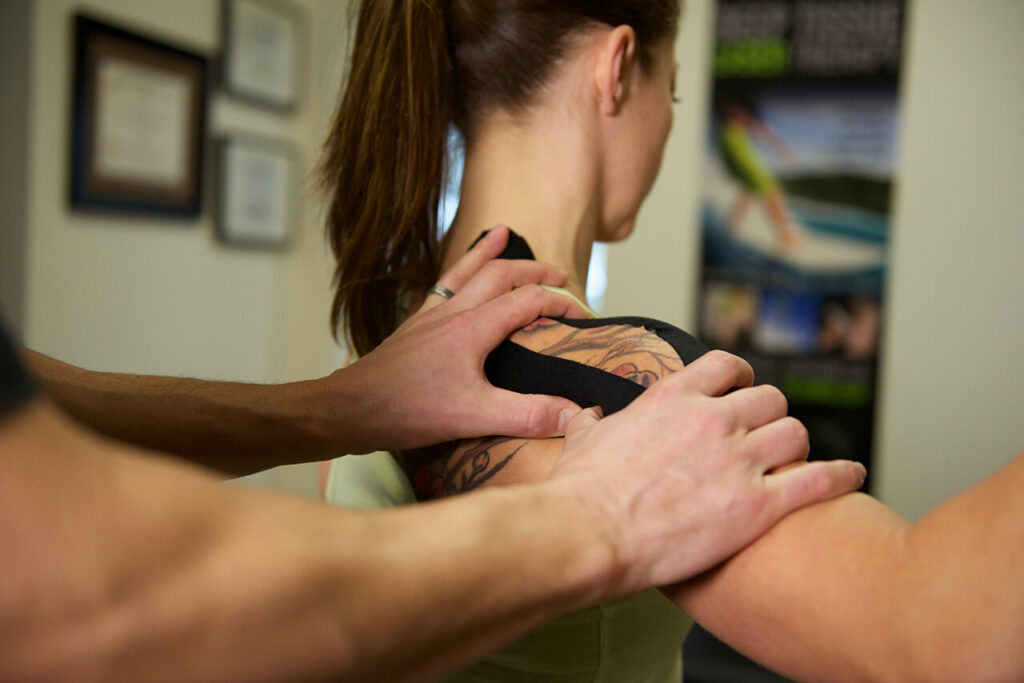
Targeted Relief: Our Precision Approach to Plantar Nerve Pain
Understanding Plantar Nerve Pain
The tibial nerve travels down the back of the leg and passes through the tarsal tunnel on the inside of the ankle, just behind the medial malleolus (the bony prominence on the inside of the ankle). Beyond this point, it branches into the medial and lateral plantar nerves, which continue into the bottom of the foot.
Common entrapment sites include:
Tarsal tunnel. The narrow passage on the inside of the ankle where the tibial nerve can become compressed by surrounding structures, swelling, or adjacent tissue restrictions.
Medial or lateral plantar nerve. Further along the pathway as the nerve branches enter the foot and pass between muscles and fascial layers.
Baxter’s nerve entrapment. A specific entrapment of the first branch of the lateral plantar nerve, commonly misdiagnosed as plantar fasciitis because the symptoms occur in a similar location.
Upstream sources. The entire tibial nerve pathway can contribute, from the lumbar nerve roots through the sciatic nerve in the buttock, down through the calf, and into the foot. Irritation anywhere along this route can produce foot symptoms.
How It Differs From Plantar Fasciitis
Telling the difference matters because the treatment approach differs significantly:
Typical plantar fasciitis. Dull, localized pain at the heel. Worst with first steps in the morning or after sitting. Often improves with walking. Reproduced by stretching the plantar fascia.
Typical plantar nerve pain. Burning, tingling, shooting, or electric quality. May include patches of numbness. Often worse with prolonged standing, certain positions, or specific pressure. May radiate toward the toes. Often does not have the classic morning onset pattern.
Many patients have both, or one was previously treated unsuccessfully because the other was the actual driver.
Our Treatment Approach
Thorough neurodynamic assessment. Specific tests that identify nerve involvement and localize the level of restriction. Examination of the full nerve pathway from the spine to the foot.
Nerve mobilization. Specific techniques that restore normal sliding and tensioning of the tibial and plantar nerves through surrounding tissue. Applied progressively to avoid flaring symptoms.
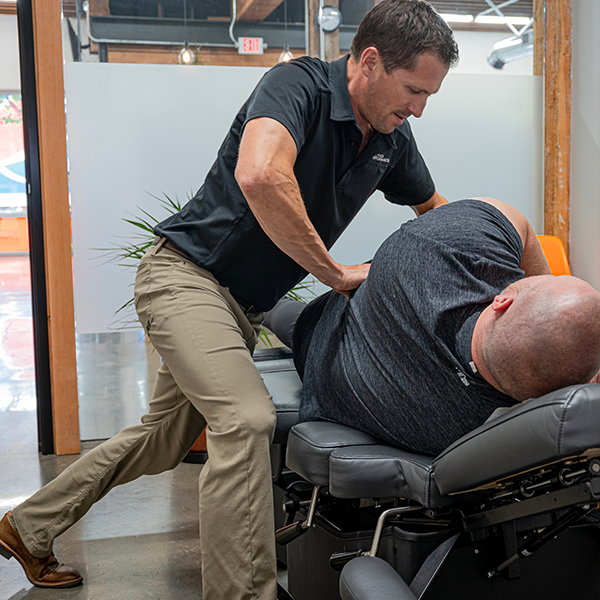
Manual therapy. Soft tissue work on the calf, tarsal tunnel structures, and plantar foot musculature. Chiropractic adjustments and mobilizations of the ankle, subtalar joint, and foot joints that may affect nerve mobility.
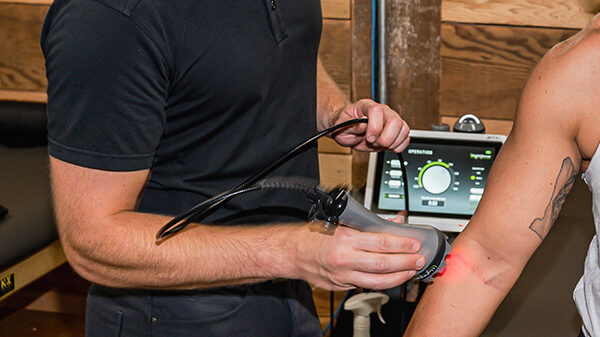
Class 4 laser therapy. Supports healing at the site of nerve irritation and reduces inflammation in surrounding tissue.
Addressing upstream contributors. Lumbar spine and hip mobility work if those regions contribute. Sciatic nerve pathway work from the lumbar spine through the posterior thigh and calf.
Progressive rehabilitation. Foot and ankle strengthening, balance work, and gait retraining to support long-term recovery.
What Recovery Looks Like
Most plantar nerve cases show meaningful improvement within two to six weeks of integrated neurodynamic care. Chronic cases that have been present for months or longer may take more time but typically respond well. Throughout, we track specific markers (pain quality, symptom distribution, functional tolerance) so progress stays visible.
Book your performance evaluation today if you have been dealing with foot pain that has not responded to typical care. It may be nerve-driven, and specialized care can make the difference.
How we Treat Plantar nerve pain
Explore a full range of evidence-informed therapies designed to
reduce pain, restore movement, and support long-term recovery.
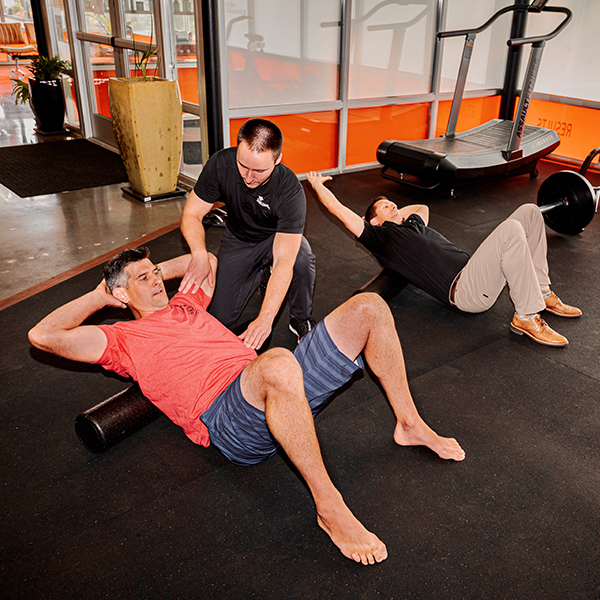


Common Symptoms You May Be Feeling
Plantar nerve pain has distinctive qualities that differ from other foot pain. If these match your experience, specialized care is the right next step.
Book Your Performance Evaluation Today
Dealing with persistent foot pain that has not responded to conventional care? Our neurodynamic expertise may be exactly what you need.

Common Questions
Plantar fasciitis produces dull, localized pain at the heel, especially with first steps in the morning. Plantar nerve pain is often burning, tingling, shooting, or electric, and may involve patches of numbness. The examination and treatment approach for the two is quite different.
Yes, it can. The tibial nerve and its branches originate from nerve roots in the low back. Restrictions anywhere along the pathway can produce foot symptoms. Our full-pathway assessment identifies where the actual driver is located.
Tarsal tunnel syndrome is entrapment of the tibial nerve as it passes through a narrow passage on the inside of the ankle. It produces burning, tingling, or shooting pain in the foot, often worsened by standing or walking. It typically responds well to targeted neurodynamic care.
Rarely. The vast majority of plantar nerve entrapments respond to conservative care including neurodynamic rehabilitation, manual therapy, and addressing contributing factors. Surgery is reserved for cases that do not respond and have clear structural compression.
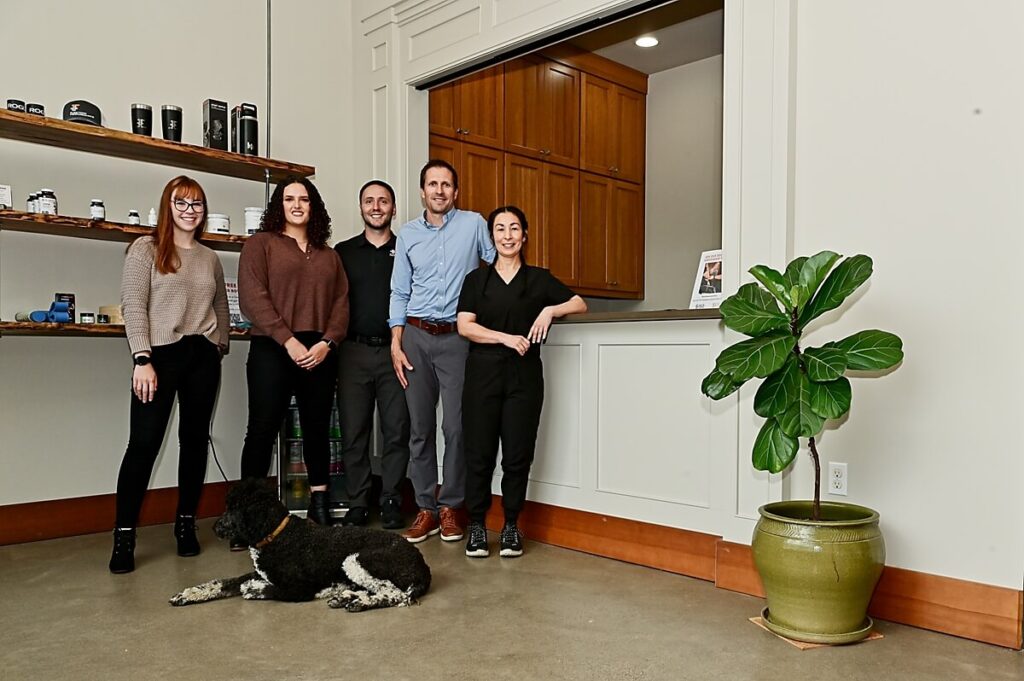
Meet the Team
Our Chiropractic Sports Physicians combine advanced soft tissue training with progressive rehab so you move better, perform better, and live better.
Ben Hokenson DC, DACBSP
Chiropractor
Meet Ben →Dr. Ben is a 2008 graduate of University of Western states earning his doctorate of chiropractic degree with many years of clinical practice and continual training.

Kyle Bangs DC, MS, CCSP, CSCS
Chiropractor
Meet Kyle →Dr. Kyle Bangs is a native to the Pacific Northwest — growing up hiking, fishing and staying active with various sports and recreation in SW Washington.


Certifications and Therapy









Why Choose Function Performance?
Neurodynamic Expertise
Our specialized training in neurodynamic assessment and rehabilitation is rare in chiropractic care, and it is often what resolves these conditions.
Full Pathway Assessment
Plantar nerve symptoms can originate anywhere from the spine to the foot. We assess the full pathway, not just the local area, to find the actual source.
Integrated Treatment
Combined manual therapy, neurodynamic rehab, and Class 4 laser address both the nerve and the surrounding tissue contributing to its irritation.

We don’t do cookie-cutter massage. We tailor everything to you.




