
Sciatica
Radiating pain, tingling, or weakness down the leg from sciatic nerve irritation. Expert diagnosis and integrated care produce lasting relief.
What Is Sciatica?
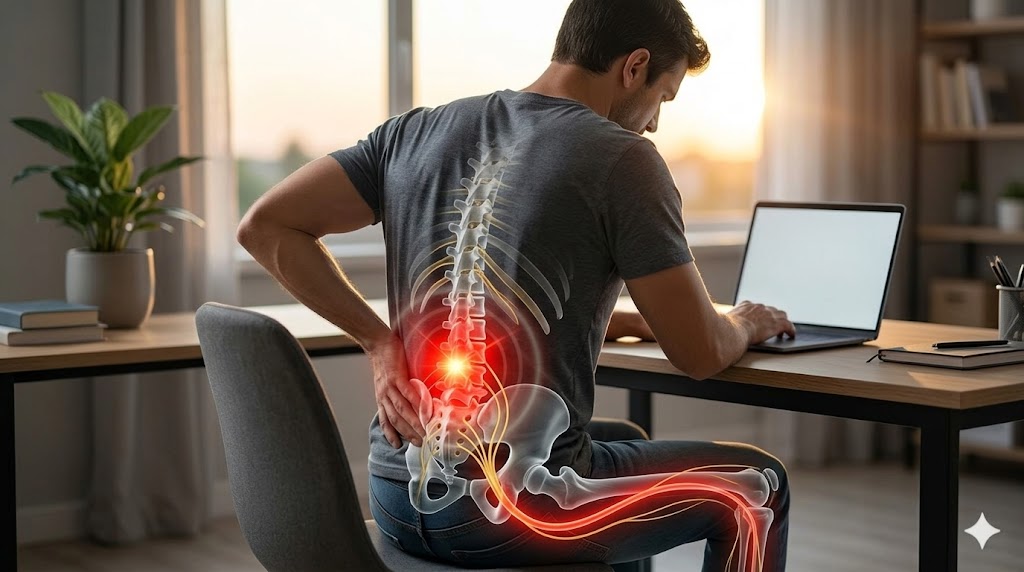
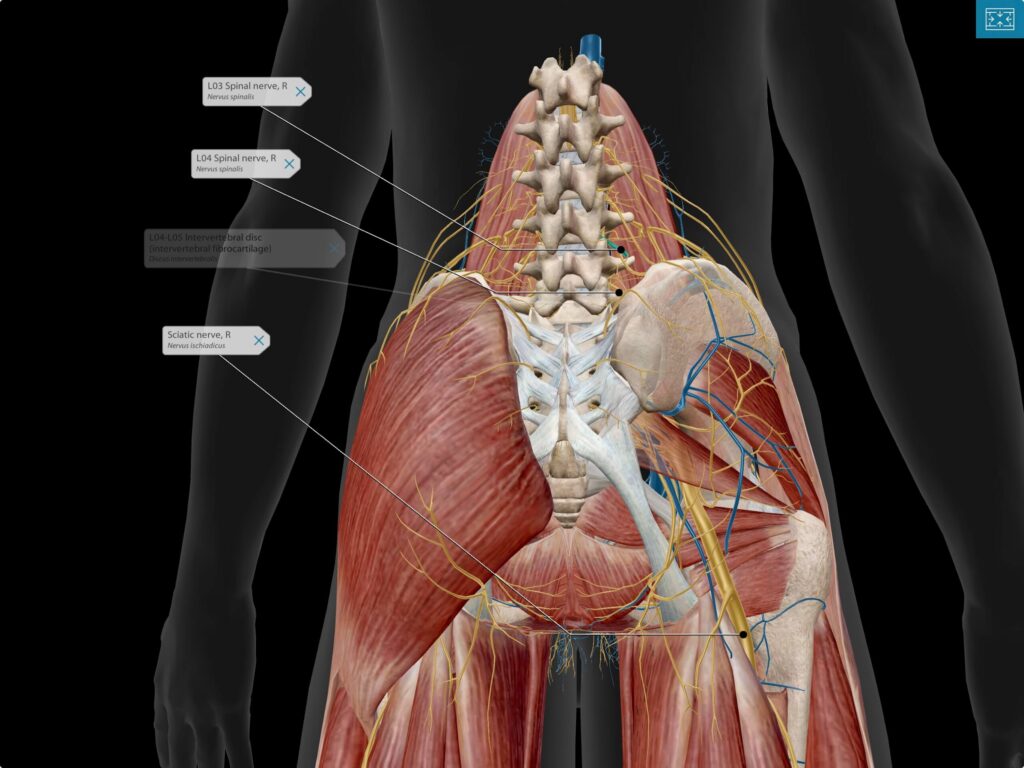
Sciatica is a term that describes symptoms rather than a specific diagnosis. It refers to pain, tingling, numbness, or weakness that travels along the path of the sciatic nerve, typically down the back of the leg and sometimes into the foot. The sciatic nerve is the longest and largest nerve in the body, and it can become irritated at multiple points along its pathway.
At Function Performance Sport Chiropractic in Oregon City, we see sciatica frequently, and the critical first step in every case is identifying the actual source of your symptoms. Different sources need different care.
Sciatic symptoms can stem from a lumbar disc pressing on a nerve root, piriformis muscle entrapment of the nerve in the buttock, peripheral nerve irritation further down the leg, or a combination. Each requires a different approach. Our assessment identifies the actual source of your symptoms and builds a plan that resolves it rather than chasing the pain with generic stretches.
Sciatica Is Not Just One Condition
The right treatment depends entirely on what is actually causing your symptoms. Our assessment finds the true source and guides the plan.
Rapid Recovery: Our Precision Care for Sciatica
Where Sciatica Actually Comes From
Lumbar disc involvement. A bulging or herniated disc in the low back can press on a nerve root as it exits the spine, producing classic sciatica symptoms down the leg. This is probably the most commonly described cause, though not always the actual driver.
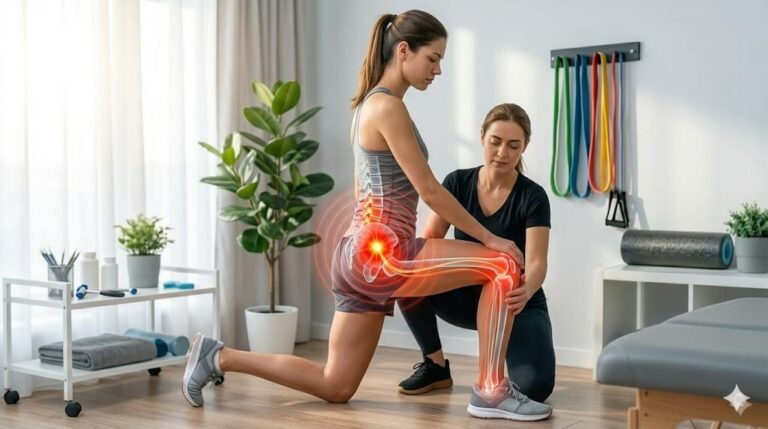
Piriformis syndrome. The sciatic nerve passes directly through or beside the piriformis muscle deep in the buttock. Tightness, spasm, or scarring in this muscle can irritate the nerve and produce symptoms identical to disc-driven sciatica.
Peripheral sciatic entrapment. The sciatic nerve can become entrapped further down the leg, through dense fascial tissue of the hamstring region, at the popliteal fossa, or along the peroneal and tibial branches as they divide.
Combined presentations. Many cases involve contributions from more than one source, a primary driver at the spine with secondary entrapment in the hip, or vice versa.
Getting the source right is what makes the treatment plan effective.
Our Assessment Approach
We use a combination of orthopedic testing, neurodynamic assessment, and movement analysis to pinpoint what is actually driving your symptoms. This typically includes:
-
- Specific provocation tests that differentiate spinal from muscular sources
-
- Neurodynamic mobility testing across the full nerve pathway
-
- Hip and lumbar range of motion evaluation
-
- Gait and functional movement screening
-
- Neurological screening for nerve function (sensation, strength, reflexes)
From there, we build a plan that addresses your specific presentation.
Treatment That Actually Works
Our sciatica care typically combines several complementary methods:
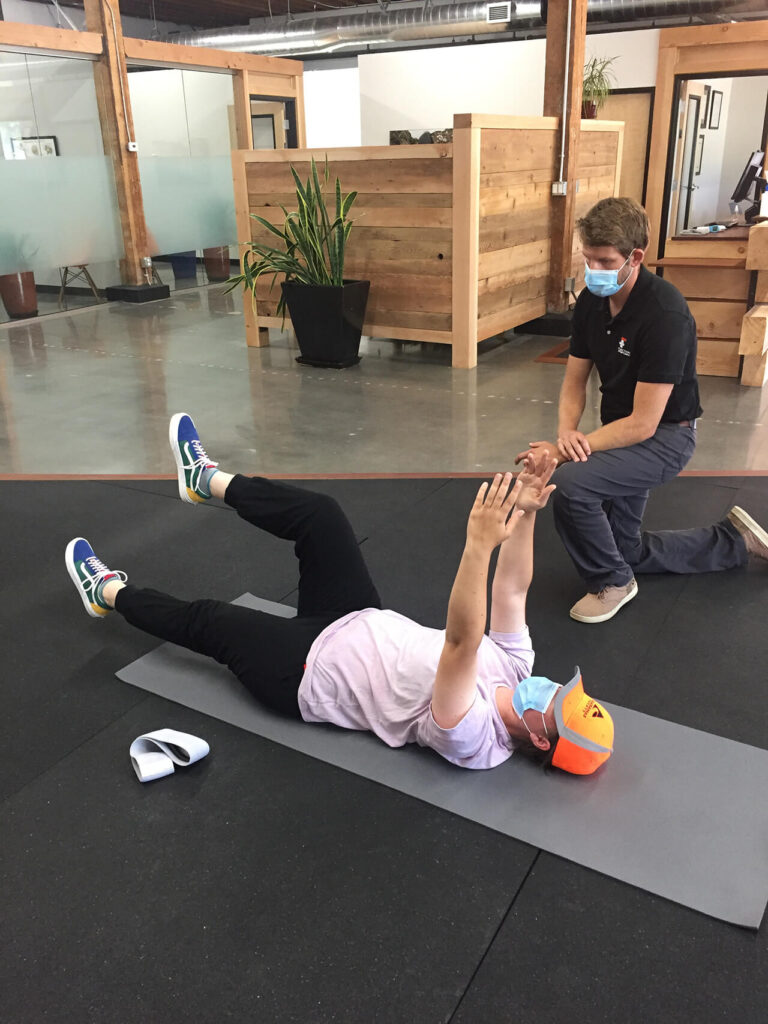
Neurodynamic rehabilitation. Specific techniques that restore sciatic nerve mobility where it has become restricted or sensitized. Applied correctly, these often produce significant change within a few sessions.
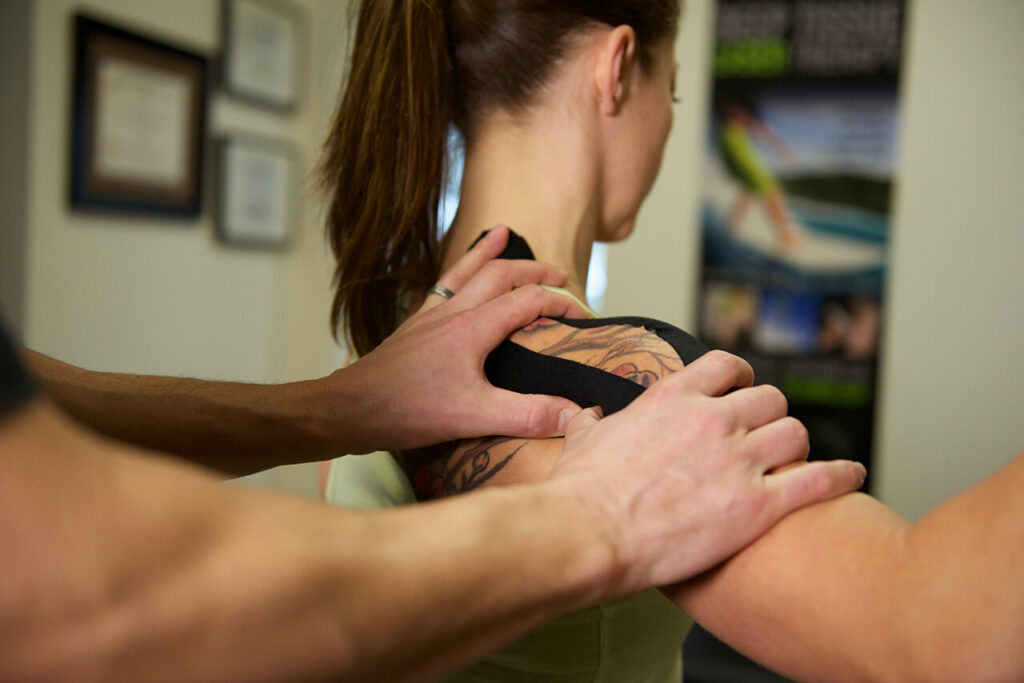
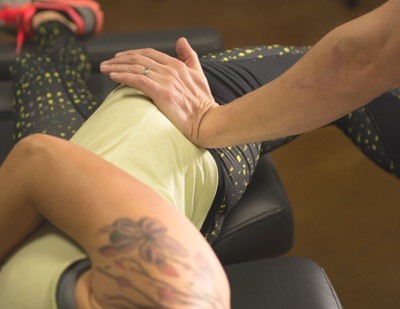
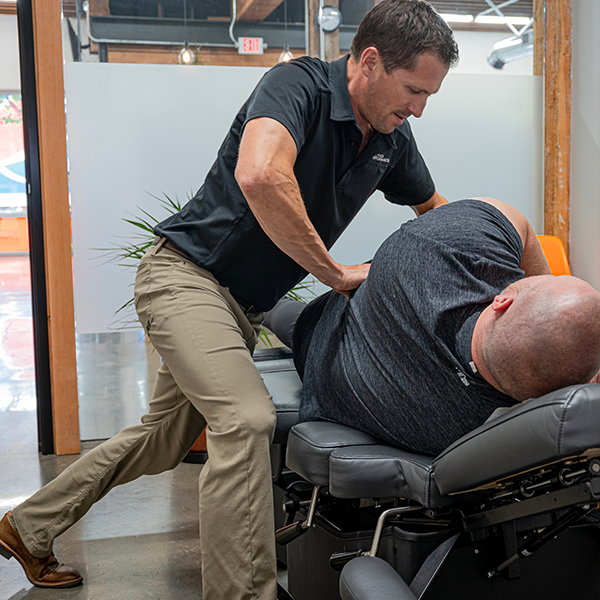
Manual therapy. Targeted joint mobilization of the lumbar spine and hip, and precise soft tissue work on the piriformis, deep hip rotators, and surrounding structures that may be contributing.
Progressive rehabilitation. Specific exercises that address the movement patterns and strength deficits driving your case. Core stability, hip control, glute activation, and lumbar positioning all matter.
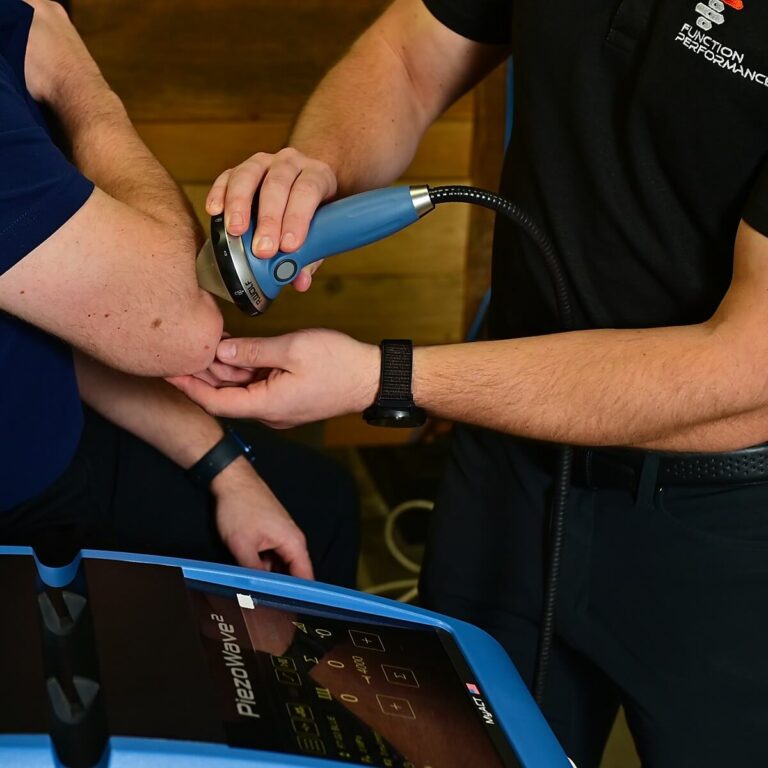
Advanced modalities when indicated. Class 4 laser for acute inflammation, shockwave or IASTM for chronic tissue issues, and other tools chosen to match your specific needs.
Honest About Outcomes
Most sciatica cases resolve with good conservative care. Some require imaging or specialist referral, and we coordinate those quickly when indicated. Severe, progressive neurological symptoms (loss of bowel or bladder control, severe or worsening weakness, saddle numbness) are medical emergencies and require immediate evaluation.
For most patients, expect meaningful improvement within the first few visits and progressive recovery over two to six weeks. Throughout, we reassess and adjust so your progress stays on track.
Book your performance evaluation today to get a precise diagnosis and a real plan for your sciatica.

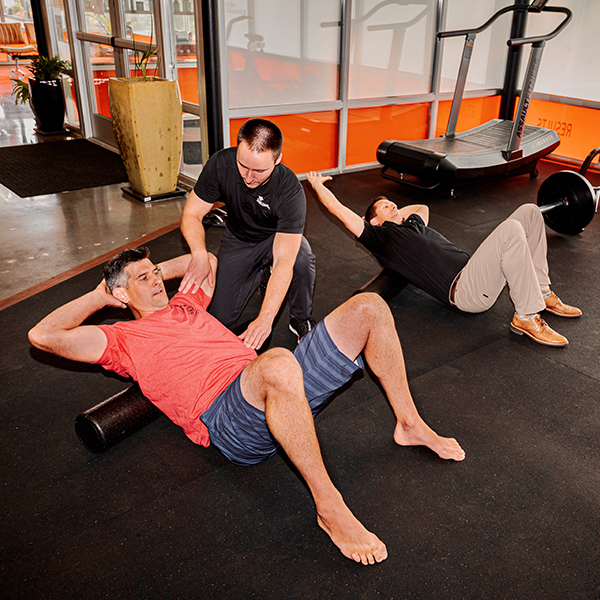
How we Treat Sciatica
Explore a full range of evidence-informed therapies designed to
reduce pain, restore movement, and support long-term recovery.


Common Symptoms You May Be Feeling
Sciatica produces distinct patterns. If any of these match your experience, a thorough assessment is the right next step.
Book Your Performance Evaluation Today
Stop guessing and generic treatment. Start with a thorough assessment and get a plan that actually addresses your specific case.

Common Questions
With integrated care, most sciatic symptoms show meaningful improvement within two to six weeks. Severe or chronic cases may take longer. We reassess at every visit so you can see measurable progress, not just hope for the best.
Sometimes yes, sometimes no. Aggressive stretching of an irritated sciatic nerve can actually worsen symptoms. Specific neurodynamic mobilizations done correctly help, but generic hamstring stretches often make things worse. We will guide you clearly.
Most sciatica cases do not require MRI to treat effectively. Imaging is warranted when symptoms are severe, progressive, or not responding, or when red flags appear. We coordinate imaging promptly when it is genuinely indicated.
It can, especially if the underlying pattern that created the episode is not addressed. Our approach focuses on the full pattern, not just the acute episode, so you leave with the mobility, strength, and habits that prevent recurrence.
Meet the Team
Our Chiropractic Sports Physicians combine advanced soft tissue training with progressive rehab so you move better, perform better, and live better.
Ben Hokenson DC, DACBSP
Chiropractor
Meet Ben →Dr. Ben is a 2008 graduate of University of Western states earning his doctorate of chiropractic degree with many years of clinical practice and continual training.

Kyle Bangs DC, MS, CCSP, CSCS
Chiropractor
Meet Kyle →Dr. Kyle Bangs is a native to the Pacific Northwest — growing up hiking, fishing and staying active with various sports and recreation in SW Washington.


Certifications and Therapy









Why Choose Function Performance?
Right Source, Right Treatment
We identify whether your sciatica is spinal, muscular, peripheral, or mixed. Different sources need different care, and our assessment makes the difference clear.
Advanced Neurodynamic Care
Our specialized nerve assessment and rehabilitation techniques resolve sciatic irritation in ways that generic stretching or isolated back care cannot.
Full Kinetic Chain Focus
Sciatica is rarely just a back problem. We assess hip mobility, glute function, core stability, and gait patterns that contribute to or sustain your symptoms.


We don’t do cookie-cutter massage. We tailor everything to you.




