
Radiculopathy
Nerve root irritation producing radiating pain, tingling, numbness, or weakness into an arm or leg. Precise diagnosis and integrated care is essential.

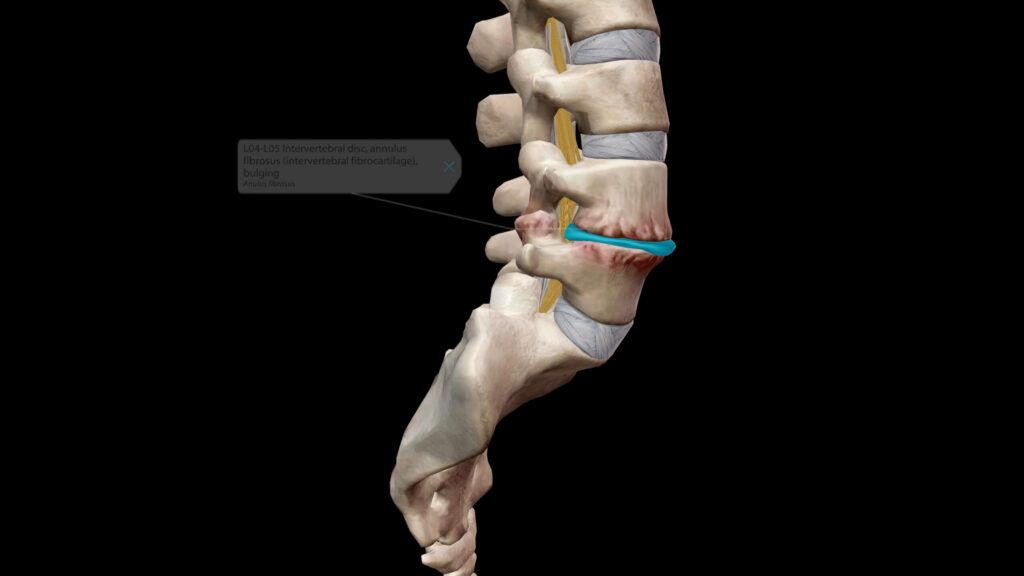
What Is Radiculopathy?
Radiculopathy is the medical term for symptoms caused by irritation or compression of a nerve root as it exits the spinal column. It can produce pain, tingling, numbness, or weakness that travels down an arm or a leg in a predictable pattern tied to the specific nerve involved.
At Function Performance Sport Chiropractic in Oregon City, we see radiculopathy frequently and treat it with a precise, integrated approach. Most cases respond very well to conservative care when that care is built around accurate diagnosis and progressive, nerve-specific rehabilitation.
Most radiculopathies respond very well to conservative care when that care is precise. The key is accurate diagnosis of which nerve level is involved, understanding what is causing the compression, and applying the right combination of manual therapy, neurodynamic rehab, and progressive loading to resolve it. Generic stretching or adjusting can make symptoms worse. Targeted care changes the outcome.
Nerve Root Pain Is Treatable
You do not have to live with radiating pain, tingling, or weakness. Most radiculopathies resolve with the right conservative care.
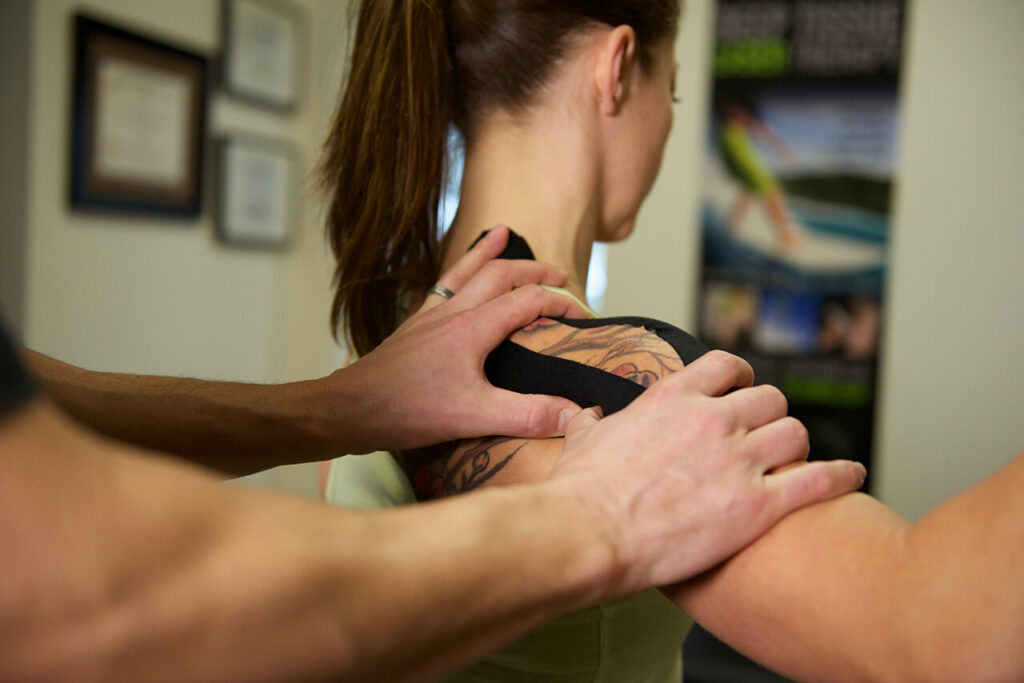
Targeted Relief: Our Precision Approach to Radiculopathyan
How Radiculopathy Happens
Nerve roots can become irritated or compressed for several reasons:
-
- Disc herniation pressing on the nerve as it exits the spine
-
- Degenerative narrowing of the space the nerve passes through (foraminal stenosis)
-
- Acute inflammation from an injury or sudden strain
-
- Chronic compression from poor posture, repetitive movement, or muscular imbalance
-
- Scar tissue from previous injury or surgery
The resulting nerve irritation produces the characteristic radiating symptoms. The specific symptoms, where they travel and what they feel like, tell us which nerve root is involved and help guide the treatment plan.
Cervical vs. Lumbar Radiculopathy
Cervical radiculopathy involves nerve roots in the neck and produces symptoms into the shoulder, arm, or hand. Depending on the level affected, you might feel pain into the shoulder blade, along the outside of the arm, into the thumb or middle fingers, or into the ring and little fingers. Weakness may show up in shoulder elevation, elbow flexion or extension, wrist extension, or grip.
Lumbar radiculopathy involves nerve roots in the low back and produces symptoms into the buttock, leg, or foot. Classic sciatica, pain down the back of the leg, is the most common presentation, but radiculopathy can also travel down the front of the thigh or into specific parts of the foot. Weakness might affect hip flexion, quad strength, foot dorsiflexion, or push-off.
Our Treatment Approach
Our care combines several complementary methods into a single integrated plan:
Thorough assessment. We map your symptoms to the specific nerve root and confirm the diagnosis through orthopedic testing, neurological exam, and movement evaluation.
Neurodynamic rehabilitation. Specialized techniques that restore normal nerve mobility and reduce irritation, tailored to the specific nerve involved.
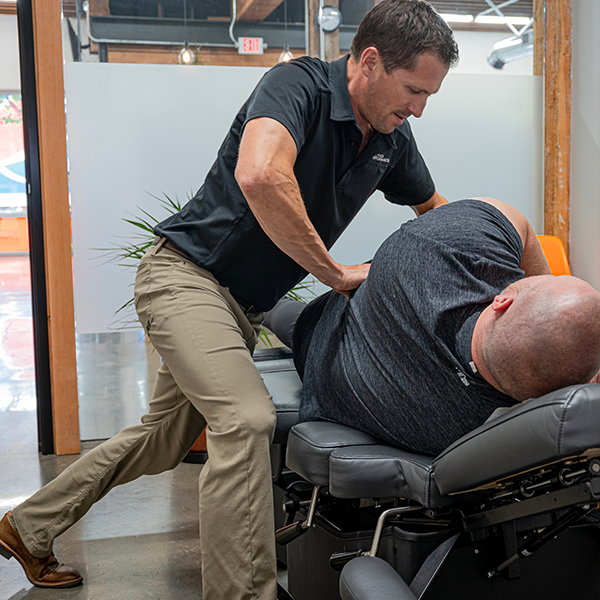
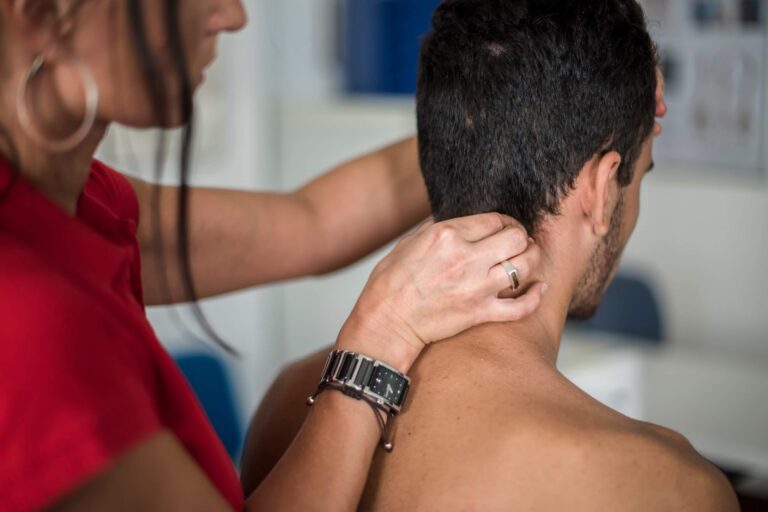
Manual therapy. Precise joint work and soft tissue care to address the mechanical sources of nerve irritation, including disc unloading strategies and mobilization of surrounding structures.
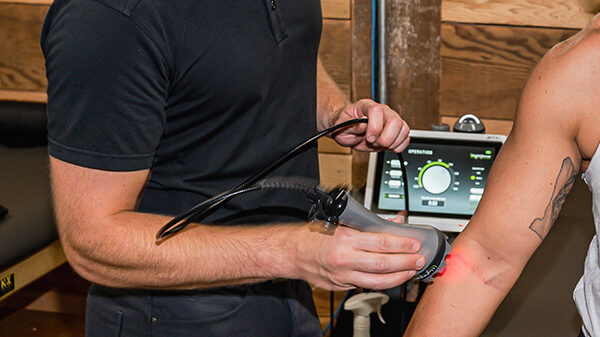
Advanced modalities. Class 4 laser therapy to reduce inflammation at the affected level, used strategically within the larger plan.
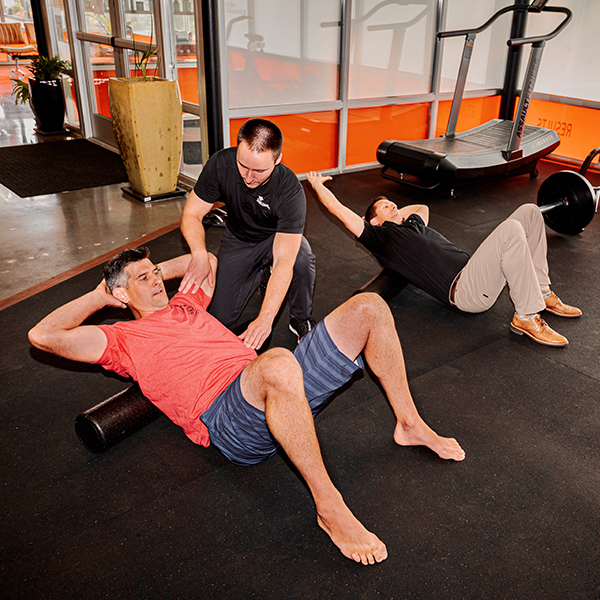
Progressive loading. Structured exercise that restores capacity and builds resilience so symptoms do not return.
Red Flags We Watch For
Most radiculopathies resolve conservatively. Some presentations require prompt imaging or specialist referral: progressive weakness, loss of bowel or bladder control, severe numbness in the saddle region, or rapidly worsening neurological signs. We screen for these at every visit and coordinate appropriate care quickly if they appear.
What Recovery Looks Like
Most patients feel meaningful change within the first few visits. Pain intensity decreases first, then distribution shrinks, then function returns. Full resolution typically takes between two and six weeks depending on severity. Throughout, we reassess and adjust to keep you on track.
Book your performance evaluation today and get an accurate diagnosis and a real plan for your radiculopathy.
How we Treat Radiculopathy
Explore a full range of evidence-informed therapies designed to
reduce pain, restore movement, and support long-term recovery.

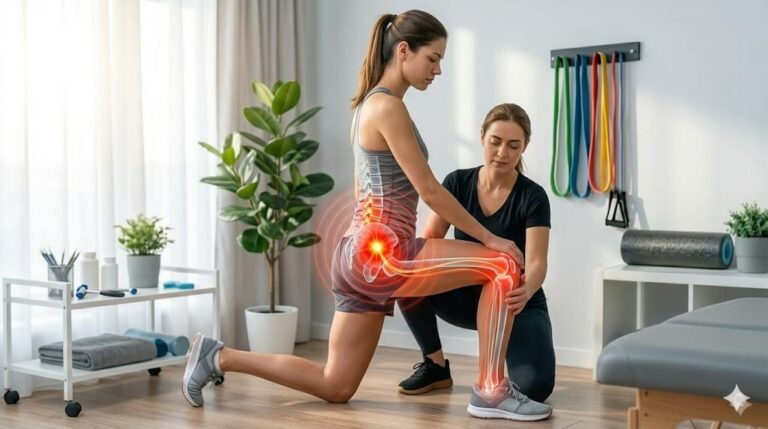
Common Symptoms You May Be Feeling
Radiculopathy produces predictable patterns. If these sound like what you are experiencing, precise care is the right next step.
Book Your Performance Evaluation Today
Dealing with symptoms going down an arm or leg? Start with a specialized assessment and get a plan built for your specific presentation.
Common Questions
Sciatica is a symptom, specifically pain along the sciatic nerve distribution. Lumbar radiculopathy is the underlying condition, irritation of a nerve root in the low back. Sciatica is usually caused by lumbar radiculopathy, though not always.
Often no, if your presentation is straightforward and symptoms are improving with care. MRI is indicated when symptoms are severe, progressive, or not responding, or when findings could change the plan. We coordinate imaging when it is genuinely needed.
Untreated severe radiculopathy can cause lasting nerve damage in some cases, which is why prompt assessment matters. For most presentations, timely conservative care resolves the condition without long-term consequences.
Most radiculopathies show meaningful improvement within two to six weeks of integrated care. Full resolution may take longer depending on the severity and chronicity. We reassess regularly and adjust the plan as symptoms change.
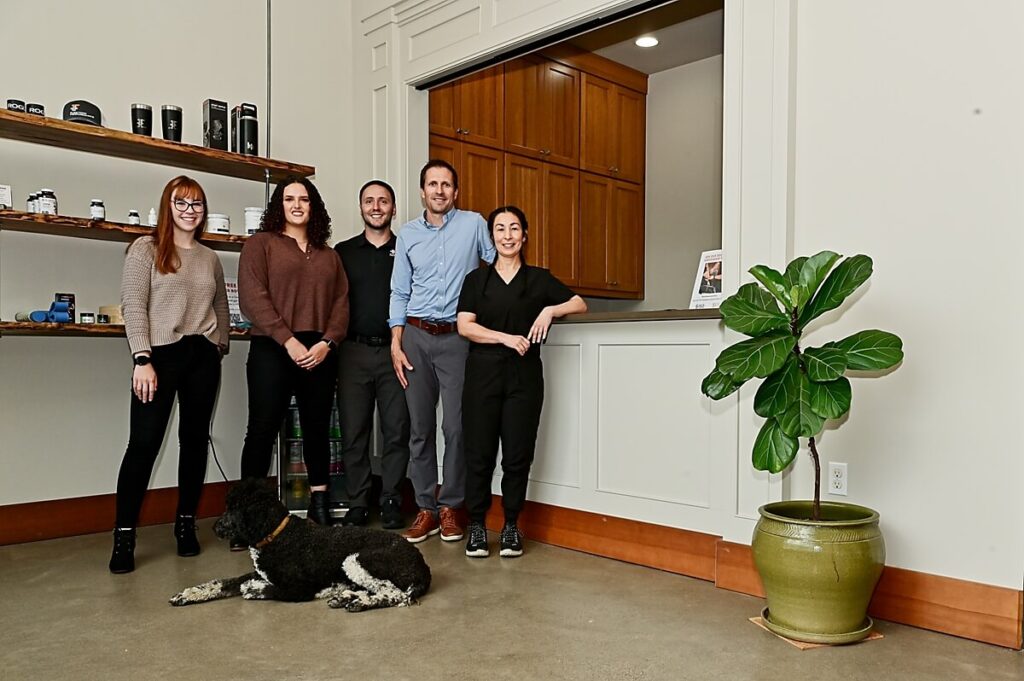
Meet the Team
Our Chiropractic Sports Physicians combine advanced soft tissue training with progressive rehab so you move better, perform better, and live better.
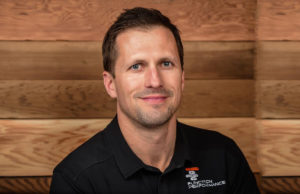
Ben Hokenson DC, DACBSP
Chiropractor
Meet Ben →Dr. Ben is a 2008 graduate of University of Western states earning his doctorate of chiropractic degree with many years of clinical practice and continual training.

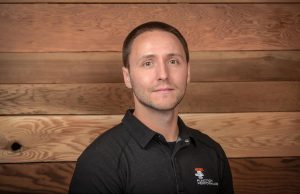
Kyle Bangs DC, MS, CCSP, CSCS
Chiropractor
Meet Kyle →Dr. Kyle Bangs is a native to the Pacific Northwest — growing up hiking, fishing and staying active with various sports and recreation in SW Washington.
Certifications and Therapy







Why Choose Function Performance?
Accurate Level Diagnosis
We map your symptoms to the specific spinal level and nerve root involved. That precision is what makes the treatment plan work.
Advanced Neurodynamic Care
Our neurodynamic assessment and rehabilitation techniques restore nerve mobility and reduce irritation in ways that generic care cannot match.
Clear on Red Flags
Most radiculopathies resolve conservatively, but progressive neurological signs require prompt imaging or referral. We know the difference and act quickly when needed.

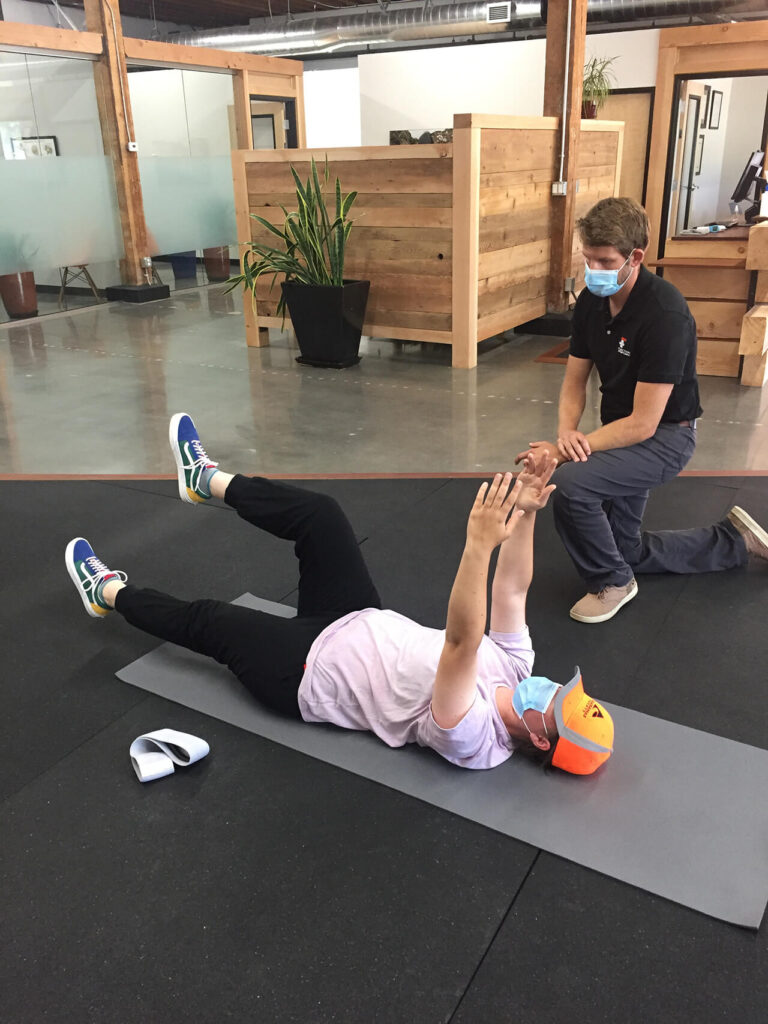
We don’t do cookie-cutter massage. We tailor everything to you.




