
Rotator Cuff Strains, Tendonitis, and Impingement
The most common causes of shoulder pain. When scapular mechanics and rotator cuff function are restored, symptoms resolve and do not come back.

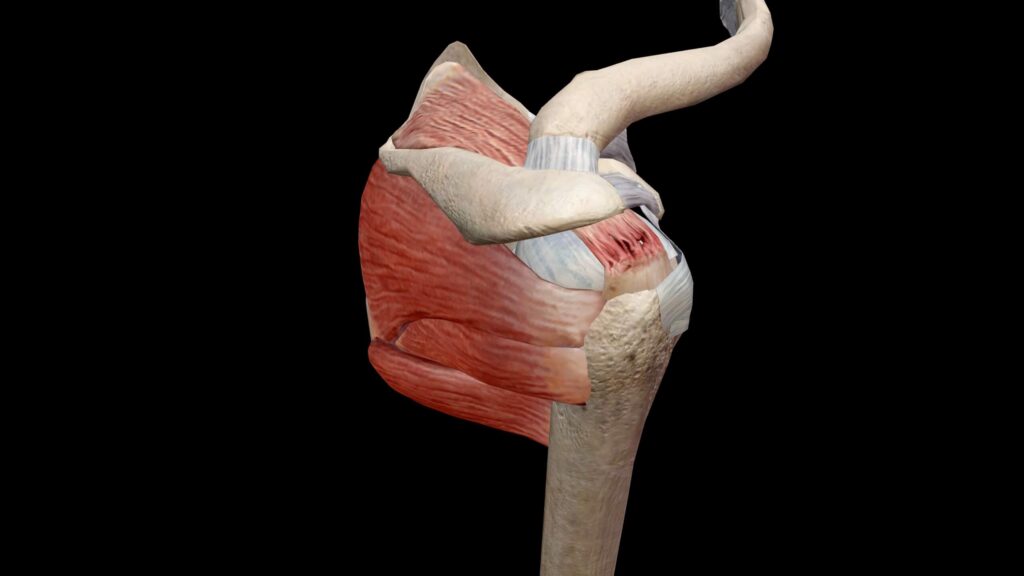
Shoulder Pain Deserves a Real Plan
Shoulder pain with overhead reaching, reaching behind your back, or sleeping on the affected side is among the most common problems we treat. These symptoms almost always point to some combination of rotator cuff strain, tendonitis, or subacromial impingement syndrome.
At Function Performance Sport Chiropractic in Oregon City, we treat these conditions with an integrated approach that addresses not just the painful structures but also the mechanics driving the dysfunction. That combination is what makes the results last.
These conditions overlap significantly. A strain can lead to tendonitis. Poor scapular mechanics can cause impingement, which can lead to tendon irritation. The good news is that the same integrated treatment approach tends to resolve all of them: precise manual therapy for the affected structures, mobility work for the thoracic spine and scapula, and progressive loading for the rotator cuff itself.
Common Shoulder Pain, Real Solutions
These conditions are frustrating but highly treatable with the right approach. Most people recover fully with integrated conservative care.
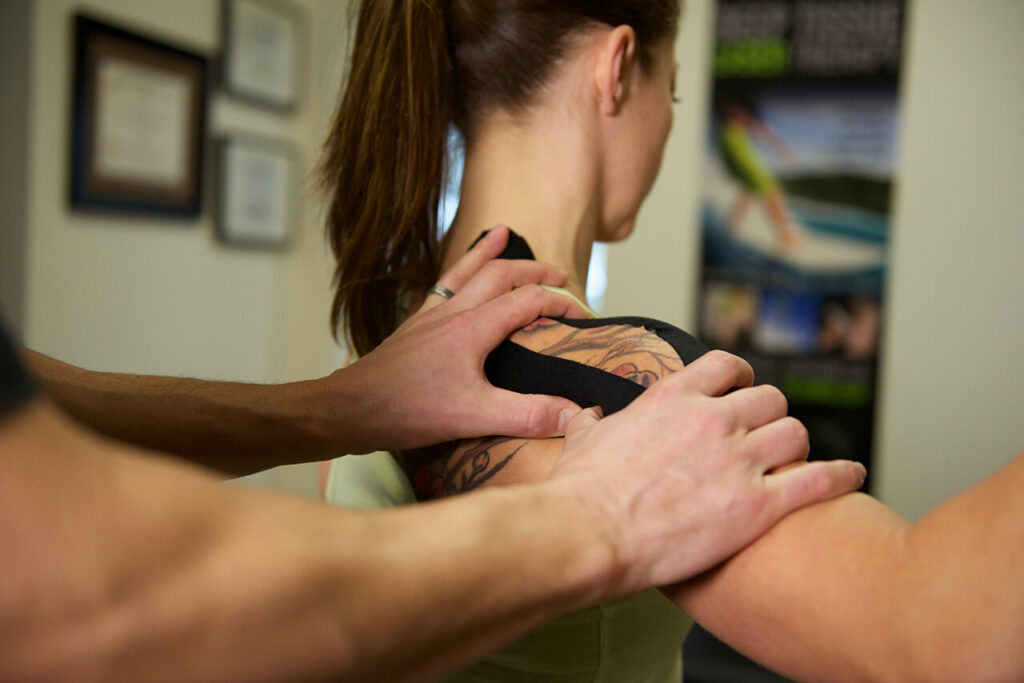
Lasting Results: Our Approach to Rotator Cuff & Impingement
Understanding These Conditions
These three conditions frequently overlap and share contributing factors:
Rotator cuff strain. An acute or subacute injury to one of the rotator cuff muscles or tendons, typically from a specific event or from escalating overuse. Usually involves inflammation and microscopic tissue disruption without a distinct tear.
Rotator cuff tendonitis (tendinopathy). Chronic tendon dysfunction, often from repeated overload, poor mechanics, or insufficient recovery over time. The tendon becomes degenerative rather than acutely inflamed.
Subacromial impingement. Compression of the rotator cuff tendons and subacromial bursa between the humeral head and the acromion (the top of the shoulder blade). Typically driven by poor scapular mechanics, thoracic spine stiffness, or rotator cuff weakness.
The same patient often has elements of all three, which is why a comprehensive approach produces the best results.
What Actually Drives These Problems
These shoulder issues rarely come from the shoulder alone. Common contributing factors include:
-
- Thoracic spine stiffness limiting shoulder blade motion
-
- Scapular dyskinesis (poor shoulder blade control)
-
- Rotator cuff weakness, particularly in external rotators
-
- Chronic postural patterns (rounded shoulders, forward head)
-
- Pectoralis minor tightness pulling the scapula forward
-
- Prior neck issues affecting the nerves that supply the shoulder
Until these upstream factors are addressed, local treatment of the rotator cuff produces short-term relief at best.
Our Treatment Approach
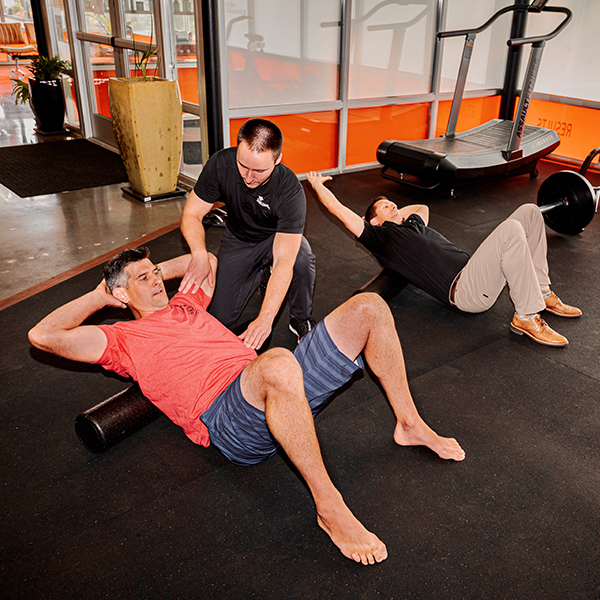
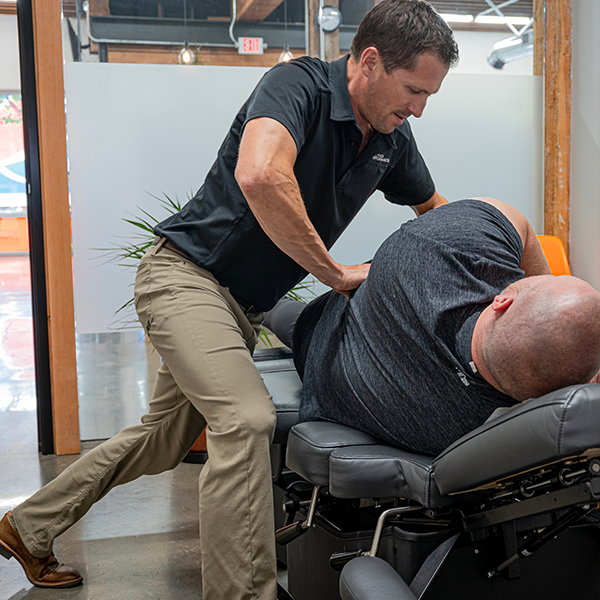
Thoracic spine and scapular work. Mobilization and adjustment of thoracic spine segments and the shoulder blade. Soft tissue work on pec minor, lats, and surrounding fascia. Scapular control training.
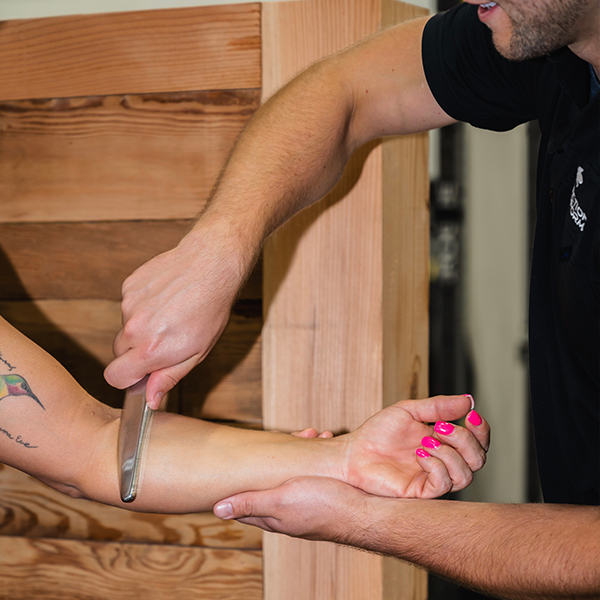
Rotator cuff manual therapy. Precise soft tissue work on supraspinatus, infraspinatus, teres minor, and subscapularis. Active Release Technique and IASTM for chronic tendinopathies and adhesions.
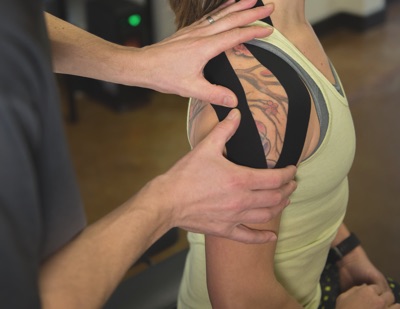
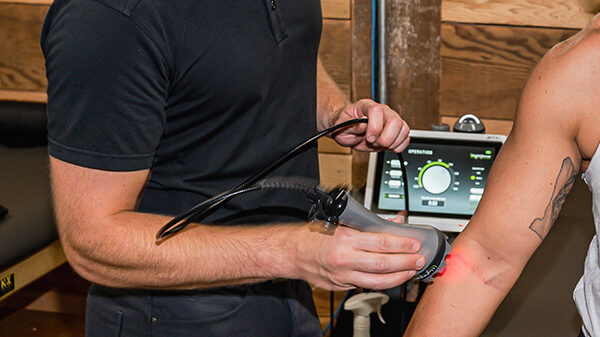
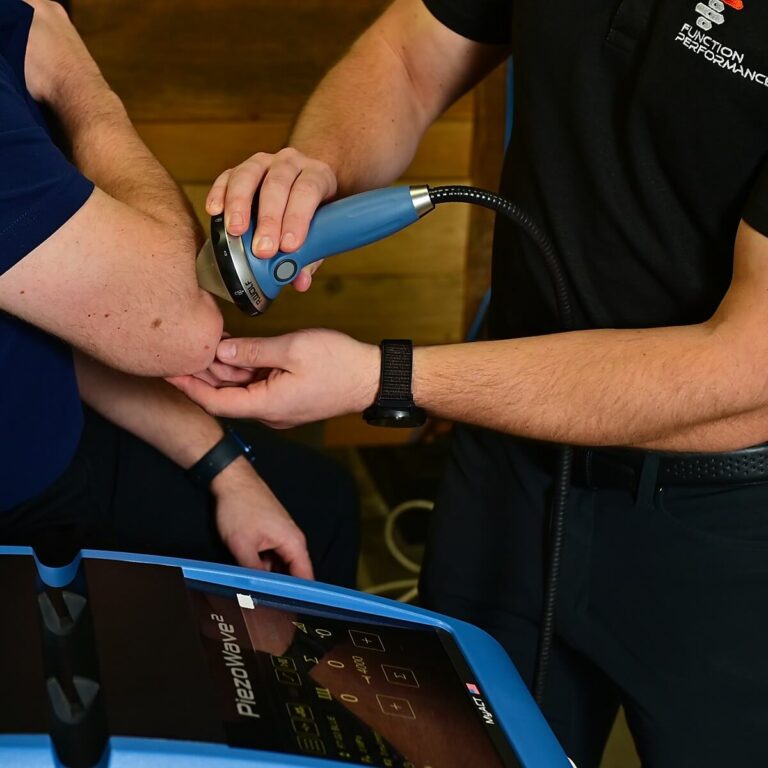
Advanced modalities. Class 4 laser for inflammation and tissue healing. Focused shockwave therapy for chronic rotator cuff tendinopathy and calcific tendinitis. Kinesiotaping for support during loading phases.
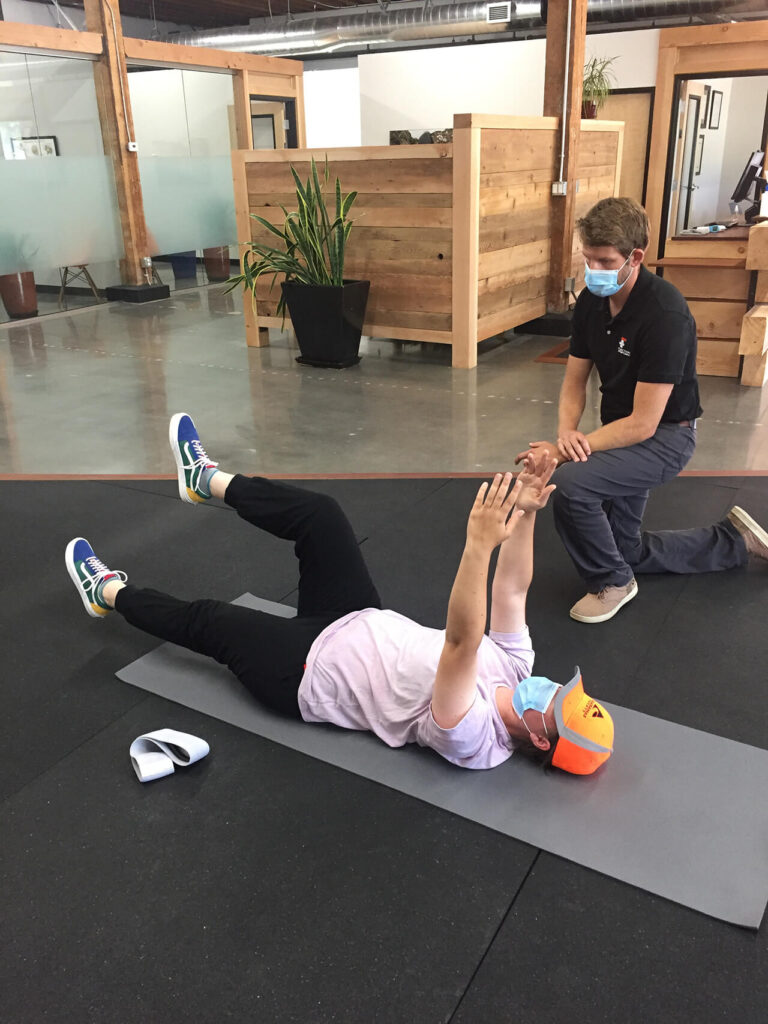
Progressive loading. Rotator cuff strengthening that starts in pain-free ranges and progresses systematically. External rotation strength, scapular stability, and ultimately overhead and sport-specific loading.
Activity coaching. Guidance on sleep position, work ergonomics, and training modifications so you stay active during recovery without perpetuating the problem.
Return to Full Activity
Most patients see meaningful improvement within the first two to four weeks, with full return to demanding activity over six to twelve weeks. For athletes or overhead workers, we build specific return-to-sport or return-to-work progressions so you trust the shoulder under real demands.
Book your performance evaluation today and start with a thorough shoulder assessment.
How we Treat Rotator Cuff Strains, Tendonitis, and Impingement
Explore a full range of evidence-informed therapies designed to
reduce pain, restore movement, and support long-term recovery.
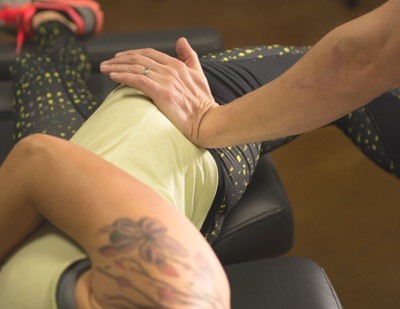

Common Symptoms You May Be Feeling
Rotator cuff and impingement problems show up in predictable ways. If these match your experience, precise care is the right next step.
Book Your Performance Evaluation Today
Dealing with shoulder pain that is limiting your sport, work, or sleep? Start with a thorough assessment and a real plan.
Common Questions
Tendonitis is inflammation of the tendon, often with microscopic tissue disruption but without a distinct tear. Tears involve actual structural disruption of the tendon fibers. Treatment overlaps significantly, but a true tear may involve a longer recovery and different return-to-activity criteria.
Yes, in most cases. Impingement is typically caused by reversible factors like scapular mechanics, thoracic spine mobility, and rotator cuff coordination. Correcting those eliminates the mechanical cause and resolves the impingement.
Rarely completely. We almost always maintain some form of activity, modifying what causes pain and continuing what does not. Total rest is usually not optimal for recovery. We give you specific guidance on what to avoid and what to continue.
Shockwave is particularly effective for chronic rotator cuff tendinopathies and calcific tendinitis. It stimulates tissue regeneration and breaks down calcific deposits, often producing meaningful change within three to six sessions when paired with rehab.
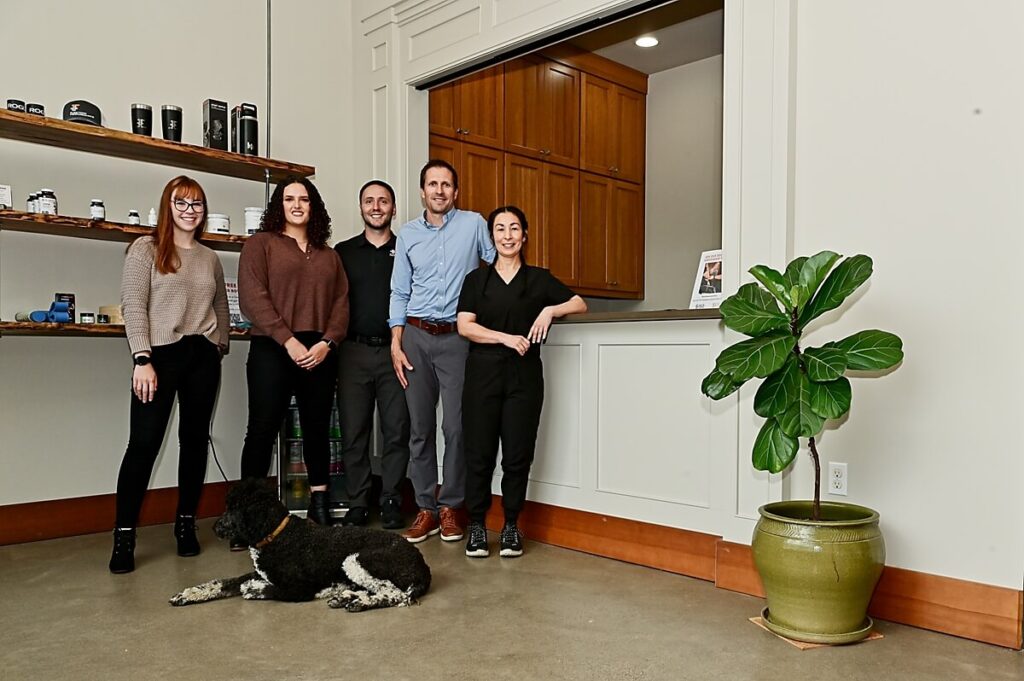
Meet the Team
Our Chiropractic Sports Physicians combine advanced soft tissue training with progressive rehab so you move better, perform better, and live better.
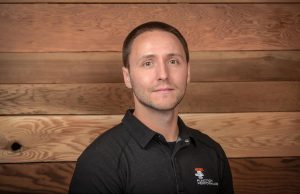
Ben Hokenson DC, DACBSP
Chiropractor
Meet Ben →Dr. Ben is a 2008 graduate of University of Western states earning his doctorate of chiropractic degree with many years of clinical practice and continual training.

Kyle Bangs DC, MS, CCSP, CSCS
Chiropractor
Meet Kyle →Dr. Kyle Bangs is a native to the Pacific Northwest — growing up hiking, fishing and staying active with various sports and recreation in SW Washington.
Certifications and Therapy





Why Choose Function Performance?
Full Kinetic Chain Care
Shoulder problems rarely live only in the shoulder. We treat the thoracic spine, scapula, and neck as part of every shoulder care plan for lasting results.
Targeted Modalities
Class 4 laser and shockwave therapy accelerate tissue healing in chronic cases. Kinesiotaping supports the shoulder during active recovery phases.
Progressive Return to Activity
Our rehab progressions take you from pain relief through strength, to movement quality, to full return to overhead work or sport demands.

We don’t do cookie-cutter massage. We tailor everything to you.




