
Bursitis
Inflammation of the bursa, the fluid-filled cushions around joints. Local pain with activity, often tied to underlying movement dysfunction.


What Is Bursitis?
A bursa is a small, fluid-filled sac that cushions and reduces friction between tissues around a joint. The body has many of these throughout the musculoskeletal system, in the shoulder, elbow, hip, knee, and other locations. When a bursa becomes inflamed, typically from repeated friction, compression, or overload, you get bursitis.
At Function Performance Sport Chiropractic in Oregon City, we treat bursitis by addressing both the acute inflammation and the underlying movement patterns that created it. Pure symptom management often leads to recurrence. Root-cause care produces lasting results.
Bursitis Has a Real Cause
Treating only the inflammation leaves the underlying mechanics intact. Real resolution means addressing what drove the bursitis in the first place.
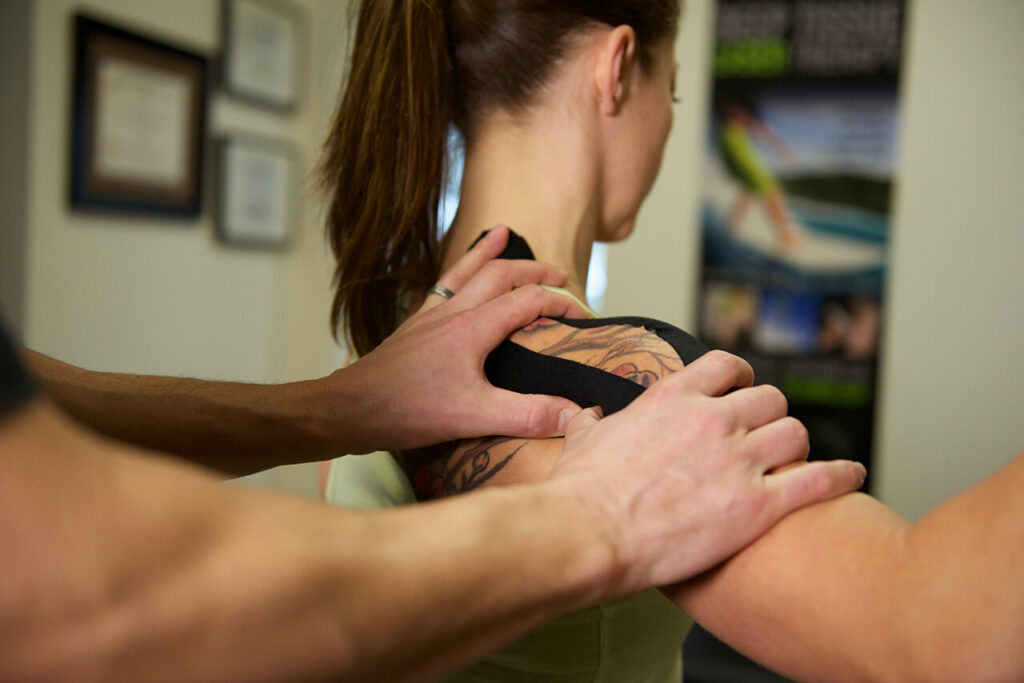
Root-Cause Resolution: Our Approach to Bursitis
Why Bursitis Happens
Bursitis is almost always secondary to something else. The inflamed bursa is a symptom of a mechanical problem:
Repeated compression. Sleeping on the same shoulder, leaning on an elbow during long desk work, or other prolonged pressure can inflame a bursa over time.
Friction from movement dysfunction. When joints do not track correctly, tissues that are supposed to glide past each other instead rub and compress. The bursa gets caught in the middle.
Muscle imbalance. Weakness in one muscle group often means another works too hard, or a bursa gets compressed by tight tissue that should be balanced by opposing muscle function.
Sudden overload. A dramatic increase in activity, training volume, or repetitive task can overwhelm the body’s ability to manage friction around a joint.
Infection or systemic cause. Rare but important. When bursitis presents with redness, warmth, and systemic signs, it can indicate infection and needs prompt medical evaluation.
Common Locations
Subacromial bursitis (shoulder). Pain with overhead reaching, sleeping on the affected side, and reaching behind the back. Often associated with rotator cuff dysfunction and thoracic spine stiffness.
Olecranon bursitis (elbow). Swelling over the tip of the elbow, often from prolonged pressure (leaning on desks, arms during office work). Most cases respond well to activity modification and targeted care.
Trochanteric bursitis (hip). Pain over the outside of the hip, worse with sleeping on that side or prolonged standing. Often driven by gluteal tendinopathy and hip mechanics.
Pes anserine bursitis (knee). Pain on the inside of the knee below the joint line, often tied to running mechanics, overpronation, or quad dominance.
Our Treatment Approach
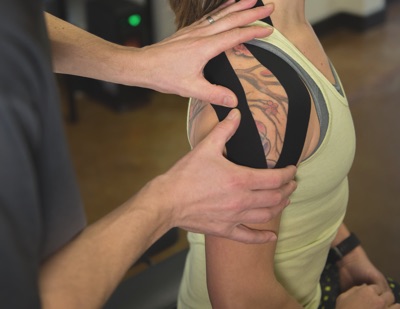
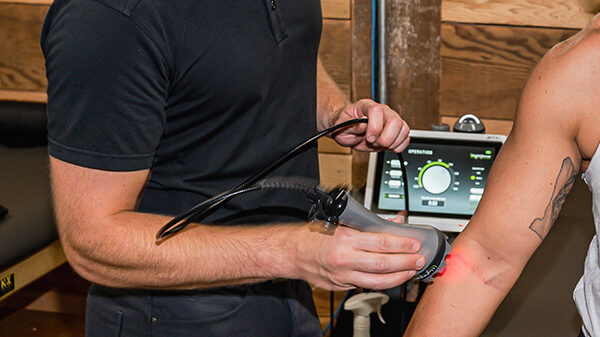
Reducing inflammation. Class 4 laser therapy at the affected site to calm the inflammatory response. Short-term activity modification to unload the bursa. Kinesiotaping where appropriate to decompress the area.
Addressing surrounding tissue. Manual therapy and soft tissue work on muscles and fascia that may be compressing or irritating the bursa. Chronic tendinopathies near the bursa (shoulder rotator cuff, gluteal tendons) often need specific attention.
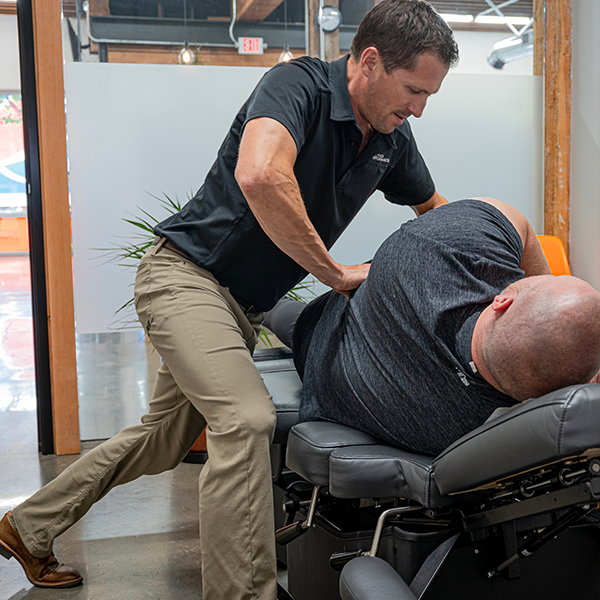
Restoring movement. Chiropractic adjustments and mobilizations to affected joints, freeing up motion that was contributing to the friction and compression.
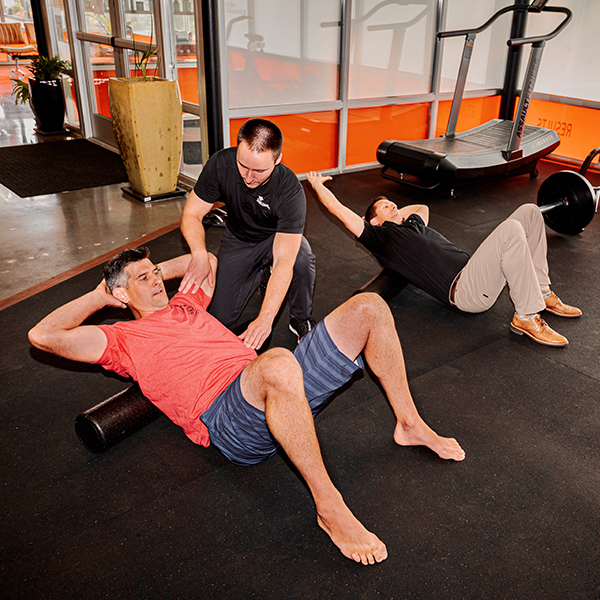
Progressive loading. Targeted exercise that restores the specific strength and coordination your body needs to move the joint without irritating the bursa.
Ergonomic and activity coaching. Specific guidance on sleep position, work setup, and activity modifications to protect the area during recovery.
Preventing Recurrence
This is where our approach differs from quick-fix care. We specifically address the underlying movement pattern, muscle imbalance, or loading issue that set up the bursitis in the first place. That means you leave with measurable improvement in the actual driver, not just a temporary feel-good moment.
Book your performance evaluation today to get real answers about your bursitis and a plan that actually resolves it.
How we Treat Bursitis
Explore a full range of evidence-informed therapies designed to
reduce pain, restore movement, and support long-term recovery.
Common Symptoms You May Be Feeling
Bursitis has classic patterns. If these match your experience, precise care is the right next step.
Book Your Performance Evaluation Today
Dealing with shoulder, elbow, or hip bursitis that keeps flaring up? Start with a thorough assessment and build a plan that lasts.
Common Questions
With integrated care, most bursitis cases show meaningful improvement within two to four weeks. Full resolution and resolution of the underlying mechanics may take longer. Chronic cases that have recurred multiple times may require a longer-term plan.
Selective activity modification helps, but complete rest is usually not ideal. We typically guide you on which movements to avoid temporarily and which to continue, so you stay active without aggravating the bursitis.
Injections can provide short-term relief in some cases but do not address the underlying cause. We prefer to start with conservative, cause-focused care. If injection is the right next step, we coordinate with the appropriate provider.
Recurrent bursitis almost always means the underlying mechanics were never addressed. Our approach specifically targets the movement patterns and strength deficits that keep setting up the inflammation, breaking the recurrence cycle.
Meet the Team
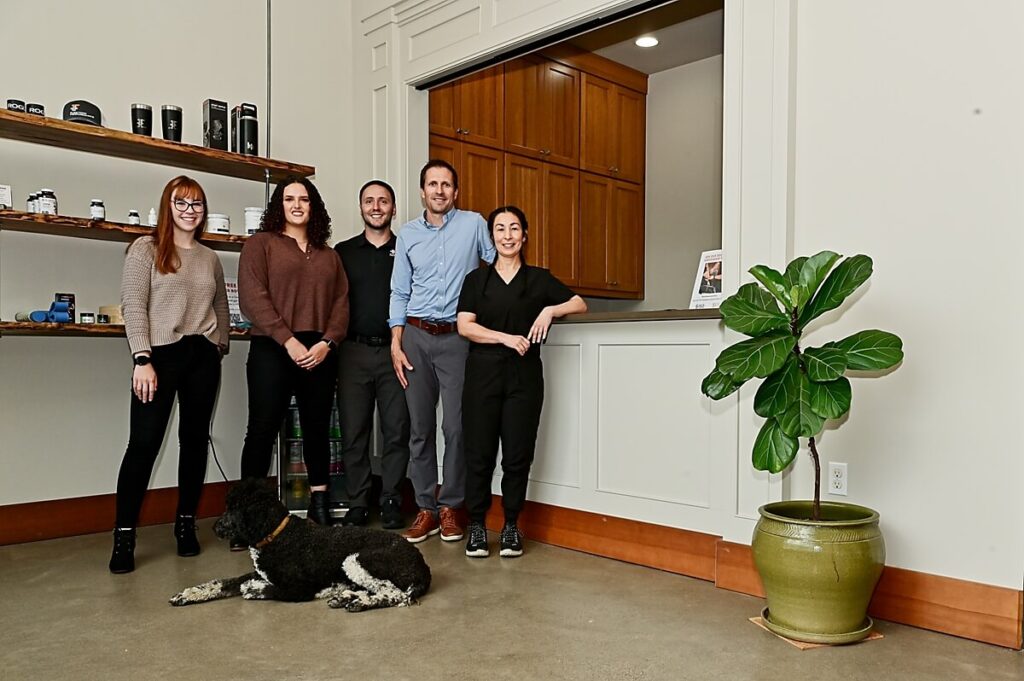
Our Chiropractic Sports Physicians combine advanced soft tissue training with progressive rehab so you move better, perform better, and live better.
Ben Hokenson DC, DACBSP
Chiropractor
Meet Ben →Dr. Ben is a 2008 graduate of University of Western states earning his doctorate of chiropractic degree with many years of clinical practice and continual training.

Kyle Bangs DC, MS, CCSP, CSCS
Chiropractor
Meet Kyle →Dr. Kyle Bangs is a native to the Pacific Northwest — growing up hiking, fishing and staying active with various sports and recreation in SW Washington.


Certifications and Therapy









Why Choose Function Performance?
Root-Cause Treatment
Bursitis is almost always secondary to a movement or loading pattern. We address that pattern, not just the inflammation, so the condition actually resolves.
Integrated Modalities
Class 4 laser, shockwave, and manual therapy work together to reduce acute inflammation and restore tissue quality at the source.
Progressive Rehab
Targeted strengthening and movement retraining fixes the deficit that created the bursitis, making recurrence far less likely.

We don’t do cookie-cutter massage. We tailor everything to you.




