
Sprains, Restrictions, and Pain
Comprehensive care for acute ankle sprains, chronic ankle instability, and persistent post-sprain restriction and pain. Real rehab for lasting recovery.


Ankle Sprains Deserve Real Rehab
Ankle sprains are one of the most common injuries in sport and daily life. They are also one of the most poorly rehabilitated. Many people are told to walk it off, wrap it for a while, and let it heal on its own. The result is well documented: high rates of recurrent sprains, chronic ankle instability, and persistent restriction that can last for years.
At Function Performance Sport Chiropractic in Oregon City, we treat ankle injuries the way they deserve to be treated. Acute sprains get comprehensive care from day one. Chronic post-sprain issues get the specific attention they need to finally resolve. The outcome is lasting recovery, not just temporary feel-good.
Real Ankle Rehab Matters
Walking it off is not rehab. Proper ankle care prevents the cycle of recurring sprains and chronic instability that limits so many active people.
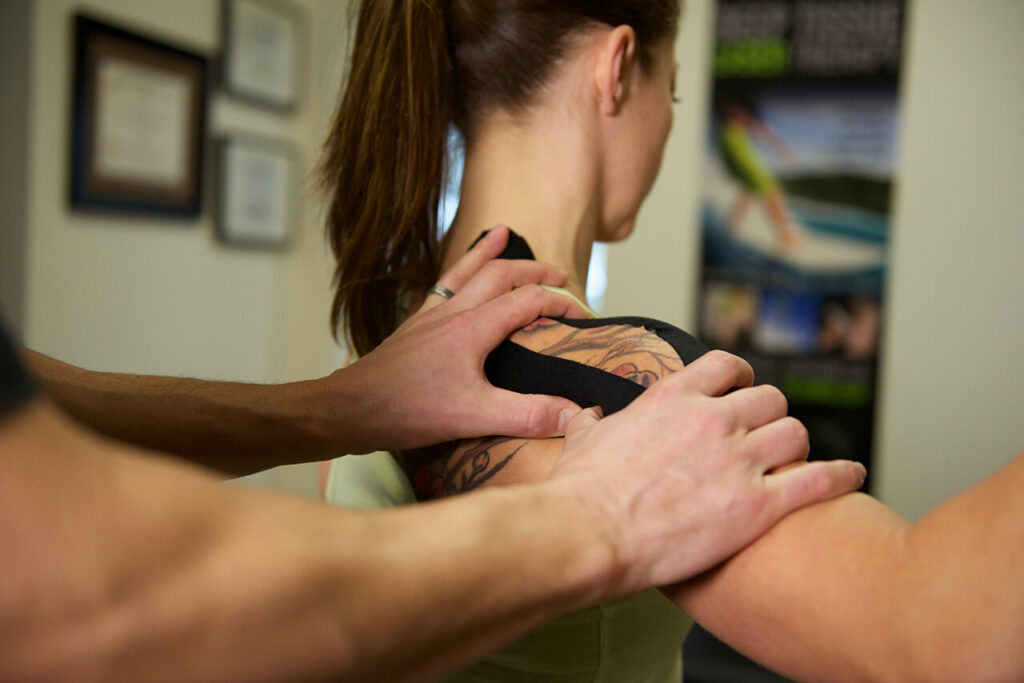
Stable Foundation: Our Approach to Ankle Sprains & Instability
Understanding Ankle Injuries
Acute lateral ankle sprains. The most common type, involving the ligaments on the outside of the ankle (anterior talofibular, calcaneofibular, posterior talofibular). Usually from a rolling motion where the foot turns inward under load.
Acute medial ankle sprains. Less common but more significant, involving the strong deltoid ligament on the inside of the ankle. Often from outward rolling and sometimes associated with higher-grade injuries.
High ankle sprains (syndesmosis). Injuries to the ligaments connecting the tibia and fibula just above the ankle joint. More common in cutting and contact sports. Typically require longer recovery times.
Chronic ankle instability. The consequence of repeated sprains or inadequate rehabilitation after a single sprain. Characterized by recurrent rolling of the ankle, ongoing sense of instability, and often lingering restriction and pain.
Why Ankle Rehab Matters
Sprains do more than damage ligaments. They also damage the proprioceptive receptors in and around the joint, the nerve endings that provide your body with moment-to-moment information about ankle position. Without these receptors working properly, your reflexive response to prevent another sprain is impaired.
This is why recurrent sprains are so common. The ankle rolls again because the system responsible for preventing it was damaged and never rehabilitated. Real rehab specifically addresses this system, rebuilding the proprioceptive control that prevents future injuries.
Commonly Missed Joint Restrictions
Most ankle care addresses the talocrural joint (the main ankle hinge). But chronic ankle issues also commonly involve:
Subtalar joint restrictions. Limited movement at the joint below the talus affects inversion and eversion. Often restricted after sprains.
Proximal tibiofibular joint. The small joint at the top of the shinbone. Critical for ankle dorsiflexion and often involved in chronic ankle issues.
Midfoot restrictions. Limited mobility through the midfoot affects how force transmits through the ankle and can perpetuate pain.
Addressing all of these is often what finally resolves chronic cases.
Our Treatment Approach
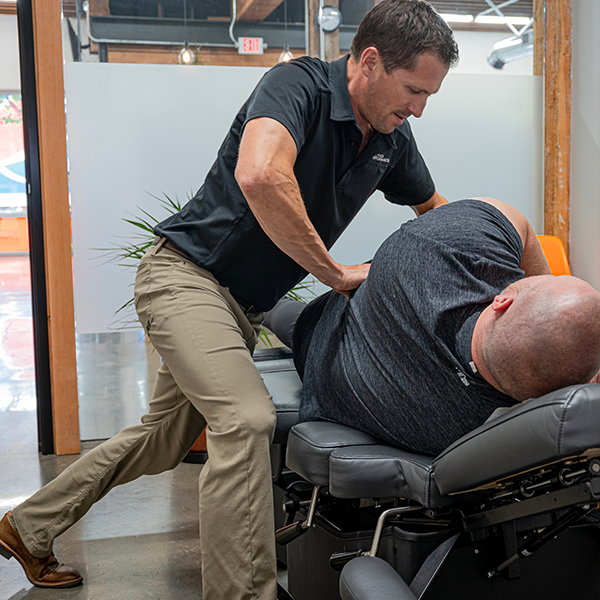
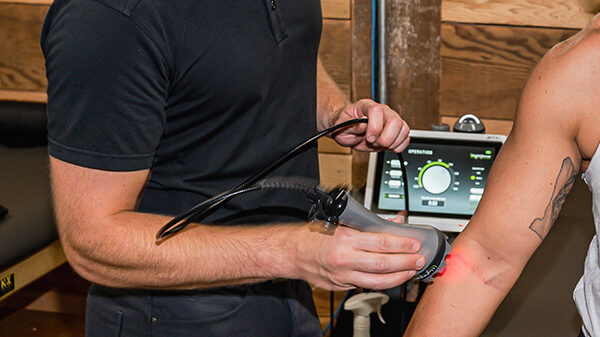
Acute phase. Class 4 laser therapy to reduce inflammation. Appropriate immobilization or taping if warranted. Early, safe mobility work to prevent capsular restrictions. Guidance on activity modification and compression.
Subacute phase. Manual therapy and joint mobilization to restore normal ankle mechanics. Progressive loading of the injured ligaments. Early proprioceptive training with single-leg balance work. Soft tissue care for protective spasm in calf and peroneals.
Functional phase. Progressive strength work for the foot and ankle. Advanced proprioceptive training on unstable surfaces. Return-to-running progressions. Sport-specific agility and cutting work.
Maintenance and prevention. Ongoing proprioceptive work and specific exercises to maintain the gains and prevent future injury.
What Recovery Looks Like
Mild sprains typically resolve in one to three weeks with appropriate care. Moderate sprains take three to six weeks. Severe sprains or high ankle sprains may take eight weeks or longer. Chronic ankle instability usually responds within four to twelve weeks of structured rehab.
Book your performance evaluation today to start with a thorough ankle assessment and a real recovery plan.
How we Treat Sprains, Restrictions, and Pain
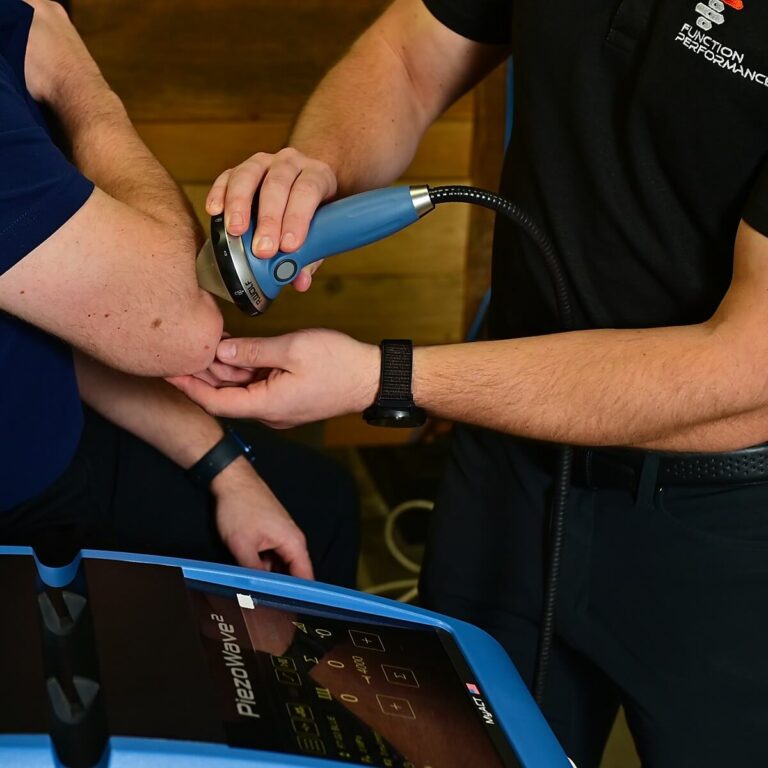
Explore a full range of evidence-informed therapies designed to
reduce pain, restore movement, and support long-term recovery.


Common Symptoms You May Be Feeling
Ankle injuries produce distinct patterns both acutely and chronically. If these match your experience, real rehabilitation is the right next step.
Book Your Performance Evaluation Today
Dealing with an acute ankle sprain, chronic instability, or persistent post-injury pain? Start with a full assessment and real rehabilitation.

Common Questions
Recurrent ankle sprains typically indicate chronic ankle instability from prior injuries that were not rehabilitated completely. Specifically, the proprioceptive control that detects ankle position has been disrupted. Real rehab rebuilds this system and dramatically reduces recurrence.
Indications include inability to bear weight, specific bony tenderness patterns, obvious deformity, or pain not responding to appropriate care. We follow clinical criteria that accurately identify when imaging is needed and when it is not.
Taping or bracing can be useful during acute recovery and for specific sport situations. Long-term reliance on external support is usually not ideal because it can delay rebuilding the natural strength and proprioception. We guide the right balance for your situation.
Mild sprains typically resolve in one to three weeks. Moderate sprains take three to six weeks. Severe sprains may take eight weeks or longer. Chronic ankle instability may require a longer plan, but significant improvement should be measurable throughout.
Meet the Team
Our Chiropractic Sports Physicians combine advanced soft tissue training with progressive rehab so you move better, perform better, and live better.
Ben Hokenson DC, DACBSP
Chiropractor
Meet Ben →Dr. Ben is a 2008 graduate of University of Western states earning his doctorate of chiropractic degree with many years of clinical practice and continual training.

Kyle Bangs DC, MS, CCSP, CSCS
Chiropractor
Meet Kyle →Dr. Kyle Bangs is a native to the Pacific Northwest — growing up hiking, fishing and staying active with various sports and recreation in SW Washington.


Certifications and Therapy









Why Choose Function Performance?
Complete Joint Assessment
Most ankle care misses the subtalar and proximal tibiofibular joints. We assess and treat all the joints that affect ankle function for complete recovery.
Proprioceptive Rehab
Sprains damage the nerve receptors that provide position sense. Our rehab specifically rebuilds this proprioception, which is the key to preventing future sprains.
Progressive Loading
Full ankle recovery requires loading beyond typical band work. Our progressions take you from basic mobility to full sport-specific demands.


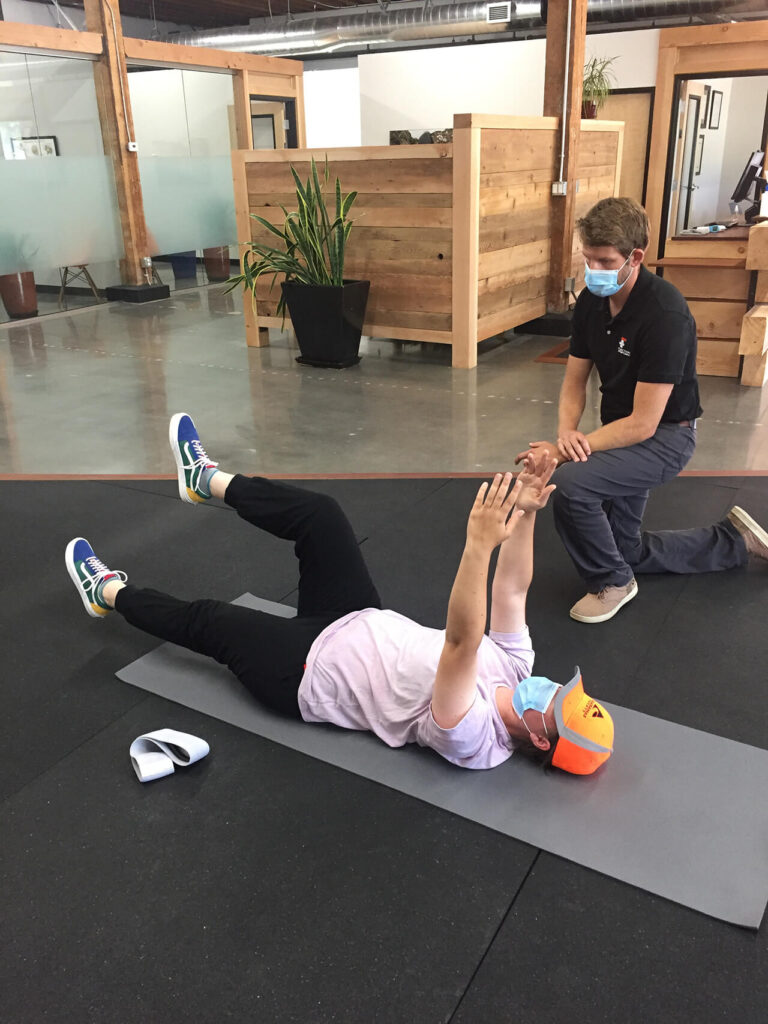
We don’t do cookie-cutter massage. We tailor everything to you.




