
Plantar Fasciitis
Heel pain and arch pain from plantar fascia irritation. Evidence-based care combining shockwave therapy and progressive loading for real recovery.

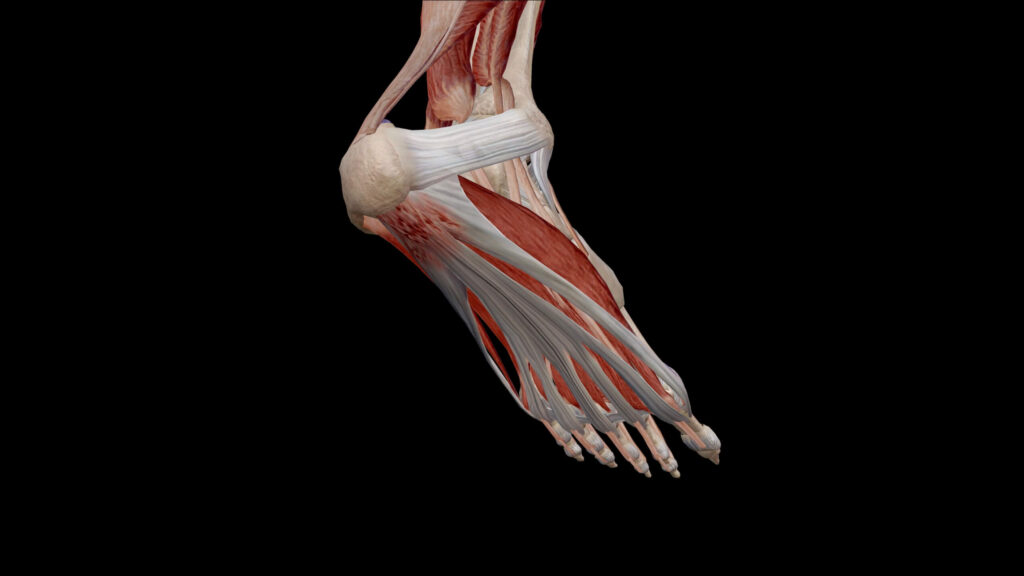
What Is Plantar Fasciitis?
Plantar fasciitis is inflammation and degenerative change in the plantar fascia, the thick band of connective tissue that runs along the bottom of your foot from the heel to the toes. It is one of the most common causes of heel pain, affecting millions of people across age groups and activity levels.
The characteristic symptom is sharp, stabbing pain at the heel, particularly with the first steps in the morning or after prolonged sitting. The pain often improves within a few minutes of movement but returns with extended standing or activity. In chronic cases, the tissue becomes degenerative (plantar fasciopathy), which is actually a more accurate term, though plantar fasciitis remains widely used.
At FPSC, we treat plantar fasciitis with an evidence-based approach that goes beyond generic advice about stretching and rest. Focused shockwave therapy has strong research support for chronic plantar fasciitis, and when combined with manual therapy, progressive loading, and full-chain assessment, produces significantly better outcomes than single-modality care. Most chronic cases resolve well within a structured plan.
Chronic Heel Pain Is Treatable
Plantar fasciitis that has lingered for months often responds quickly to the right integrated approach. You do not have to live with morning heel pain.
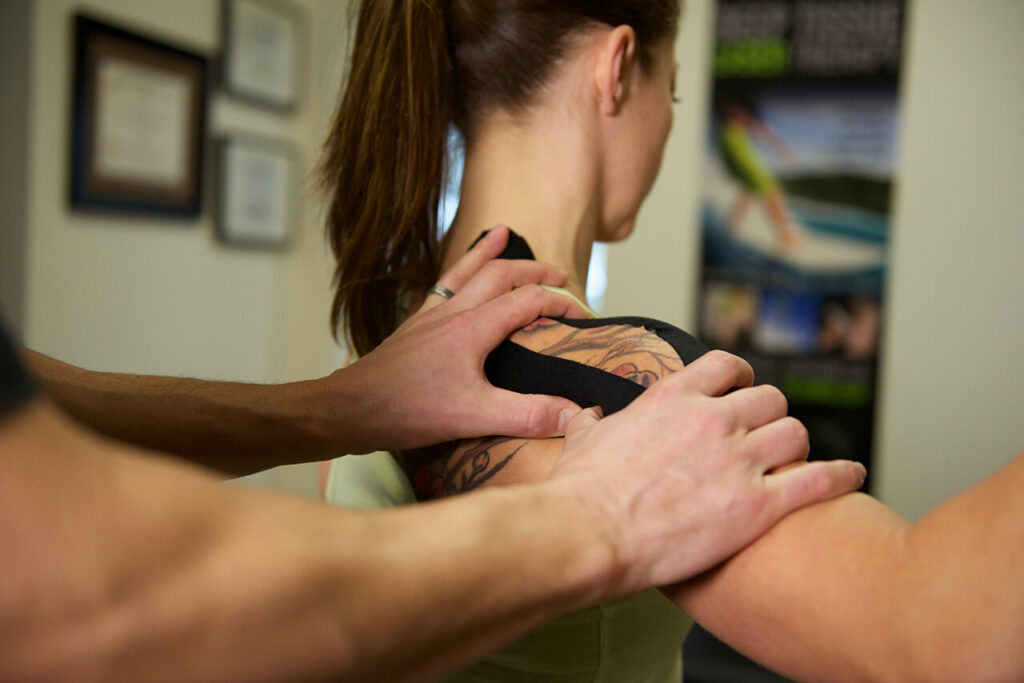
Comprehensive Care: Our Approach to Plantar Fasciitis
Who Gets Plantar Fasciitis
Anyone can develop plantar fasciitis, but common contributing factors include:
-
- Sudden increases in walking, running, or standing activity
-
- High-impact sports without adequate conditioning
-
- Occupations requiring prolonged standing on hard surfaces
-
- Foot mechanics issues (overpronation, high arches, flat feet)
-
- Calf and Achilles tightness or restriction
-
- Hip weakness that affects gait mechanics
-
- Weight gain that increases foot loading
-
- Inappropriate footwear for the activity or foot type
Most cases involve some combination of these factors. Identifying the ones driving your specific case is important for lasting recovery.
Why Generic Treatment Often Fails
Plantar fasciitis is famous for lingering. Many people stretch, use inserts, ice, and take anti-inflammatories for months with only partial improvement. The reasons for this pattern are specific:
Inadequate loading. Tissue needs progressive loading to remodel, and plantar fascia is no exception. Stretching alone does not provide this stimulus.
Missed upstream contributors. Calf restrictions, ankle mobility limitations, and hip weakness continue to stress the plantar fascia even when local treatment is applied.
Failure to address chronic tissue changes. In long-standing cases, the tissue has undergone degenerative changes that require specific stimulation (like shockwave therapy) to remodel.
Missed differential diagnosis. Some heel pain is actually nerve-driven rather than fascia-driven, and requires a completely different approach.
Our Treatment Approach
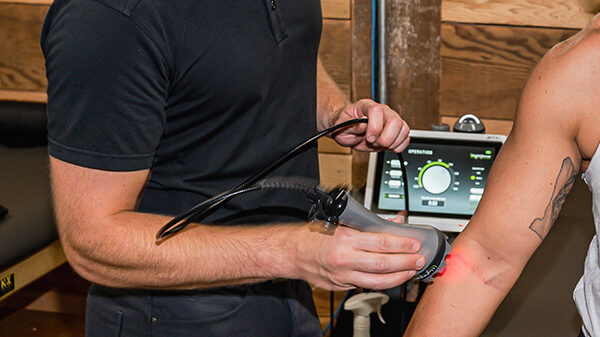
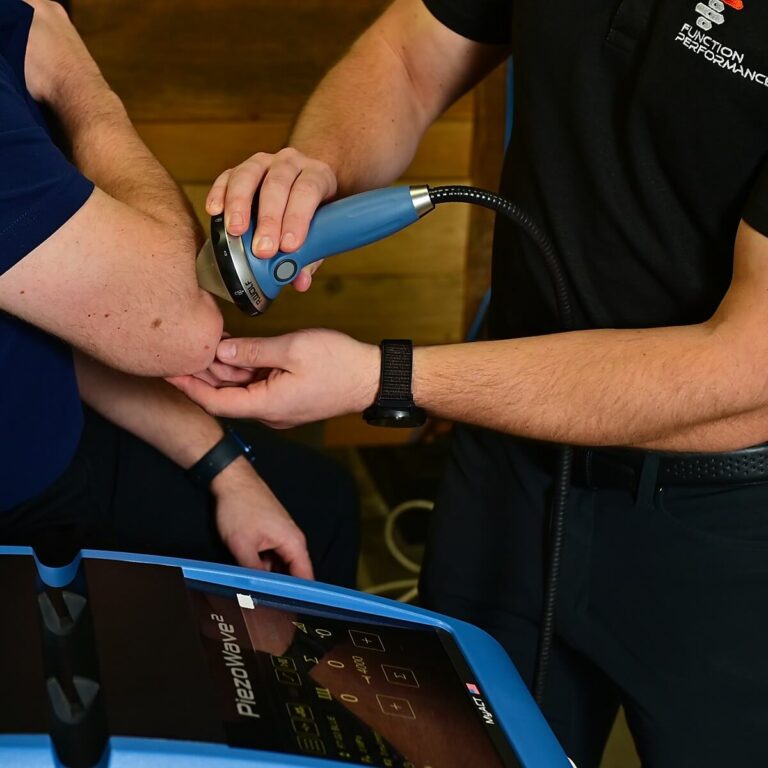
Focused shockwave therapy. This is often the cornerstone of care for chronic plantar fasciitis. Shockwave has strong research support for this condition, stimulating tissue regeneration, breaking down fibrotic changes, and producing real structural improvement. Most cases respond within three to six sessions.
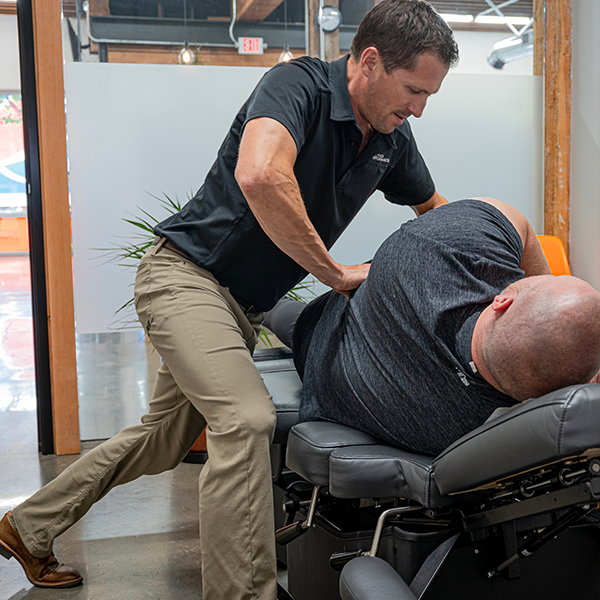
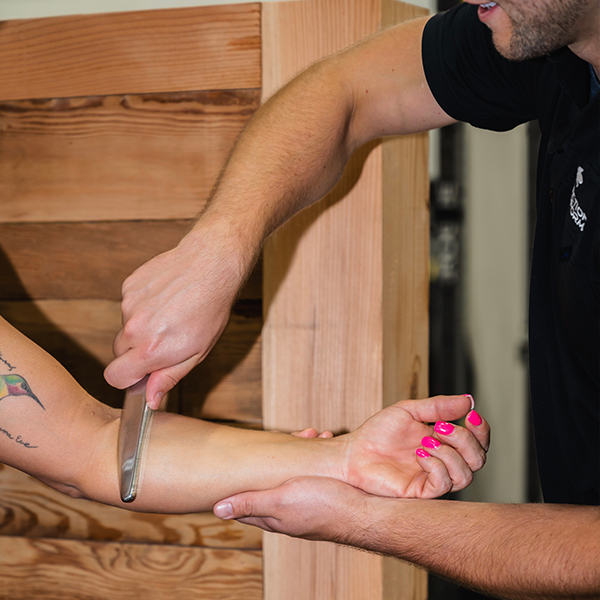
Manual therapy and IASTM. Targeted soft tissue work on the plantar fascia itself, as well as the calf muscles (gastrocnemius and soleus), peroneals, and deep intrinsic foot muscles. IASTM is particularly effective for the plantar surface.
Joint mobilization. Ankle, subtalar, and midfoot joint work to restore normal mechanics. Restrictions in these joints can perpetuate plantar fascia stress.
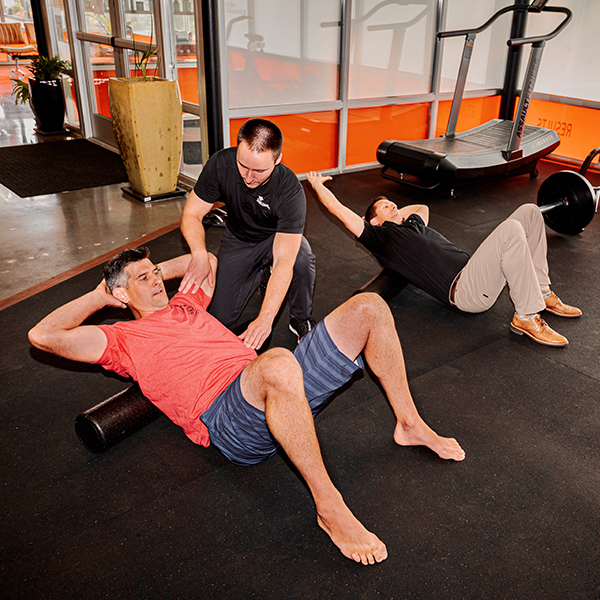
Progressive loading. Specific exercises that load the plantar fascia appropriately (including heavy slow resistance calf raises done with a towel under the toes to tension the fascia). This is one of the most evidence-supported approaches for long-term resolution.
Full-chain addressing. Hip strengthening, gait mechanics, and movement retraining. Calf mobility work. Footwear guidance and orthotic recommendations when appropriate.
Rule out nerve involvement. If your presentation suggests nerve-driven pain rather than or in addition to fascia-driven pain, we address that specifically through neurodynamic rehabilitation.
What Recovery Looks Like
Most cases of plantar fasciitis show meaningful improvement within four to eight weeks of integrated care. Very chronic cases that have been present for a year or more may take longer but typically respond well to focused shockwave combined with progressive loading. Throughout, objective markers (morning pain intensity, standing tolerance, walking distance tolerance) track your progress.
Book your performance evaluation today to start with a thorough assessment and an evidence-based plan for your plantar fasciitis.
How we Treat Plantar fasciitis
Explore a full range of evidence-informed therapies designed to
reduce pain, restore movement, and support long-term recovery.
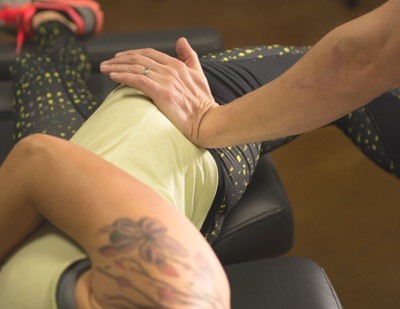

Common Symptoms You May Be Feeling
Plantar fasciitis produces distinctive patterns. If these match your experience, evidence-based care is the right next step.
Book Your Performance Evaluation Today
Dealing with persistent heel pain? Start with a thorough assessment and get a plan built around the most effective tools for this condition.

Common Questions
With integrated care, most cases show meaningful improvement within four to eight weeks. Chronic cases that have been present for months or years may take longer, but focused shockwave often dramatically accelerates the timeline in stubborn cases.
Sometimes. Orthotics can be useful for specific foot mechanics and during the recovery phase, but they are not universally necessary. Our assessment tells us whether your specific presentation would benefit. If it would, we guide you to the right option.
During sleep, the plantar fascia shortens and tightens. The first steps in the morning stretch the tissue suddenly, producing the characteristic sharp pain. This is a hallmark finding that strongly supports the plantar fasciitis diagnosis.
Focused shockwave is one of the most evidence-supported treatments for chronic plantar fasciitis, with strong research showing meaningful outcomes. Most patients see significant improvement within three to six sessions when combined with manual therapy and progressive loading.
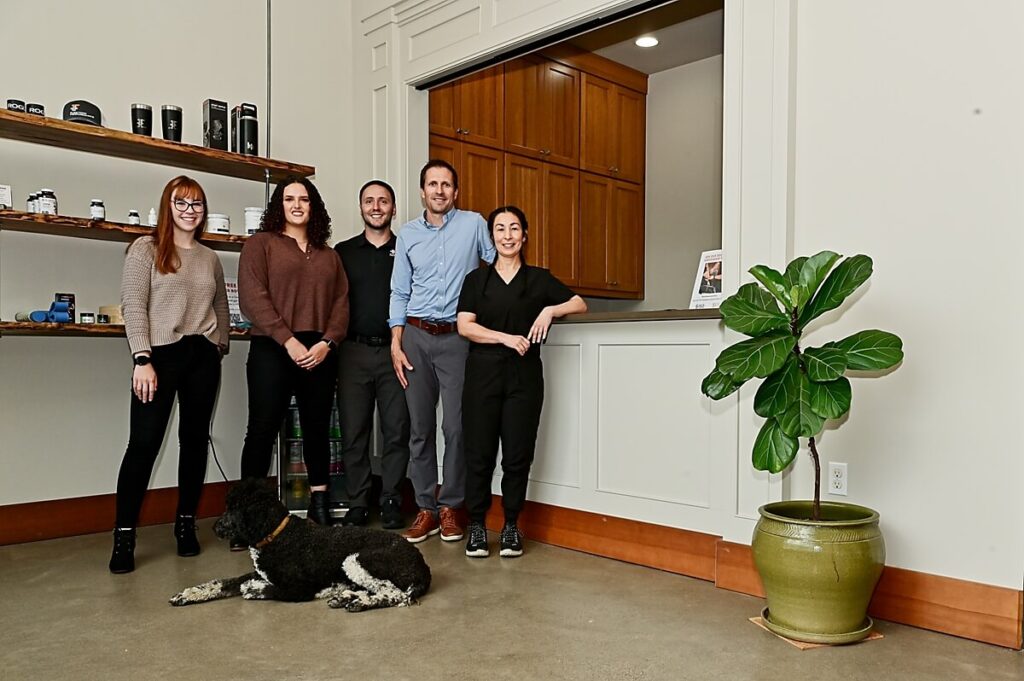
Meet the Team
Our Chiropractic Sports Physicians combine advanced soft tissue training with progressive rehab so you move better, perform better, and live better.
Ben Hokenson DC, DACBSP
Chiropractor
Meet Ben →Dr. Ben is a 2008 graduate of University of Western states earning his doctorate of chiropractic degree with many years of clinical practice and continual training.

Kyle Bangs DC, MS, CCSP, CSCS
Chiropractor
Meet Kyle →Dr. Kyle Bangs is a native to the Pacific Northwest — growing up hiking, fishing and staying active with various sports and recreation in SW Washington.


Certifications and Therapy









Why Choose Function Performance?
Shockwave Expertise
Focused shockwave therapy has strong research support for chronic plantar fasciitis. We integrate it into plans for cases that have not responded to other care.
Full-Chain Approach
Plantar fasciitis often reflects issues upstream in the calf, ankle, or hip. Our full-chain assessment addresses everything contributing to the problem.
Rules Out Nerve Involvement
Some heel pain is actually nerve-driven. Our neurodynamic expertise rules in or out nerve involvement and treats it specifically when present.

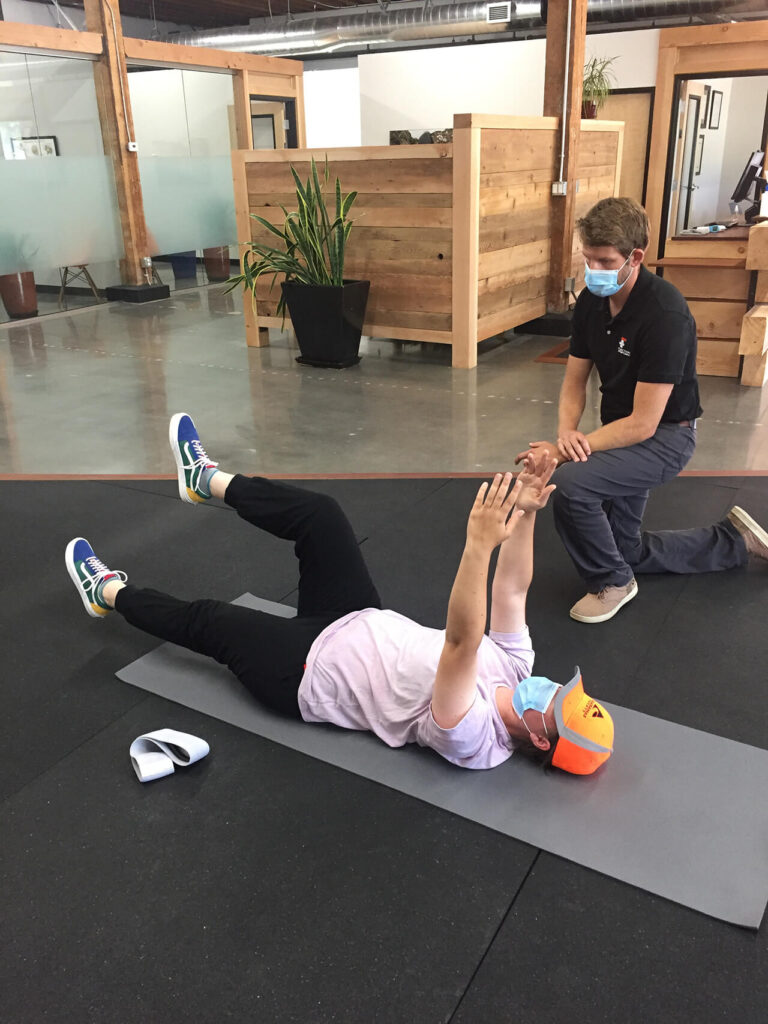
We don’t do cookie-cutter massage. We tailor everything to you.




