
Meniscus Tears and Pain
Evidence-based, conservative care for meniscus injuries. Most degenerative and many traumatic tears respond to integrated treatment without surgery.

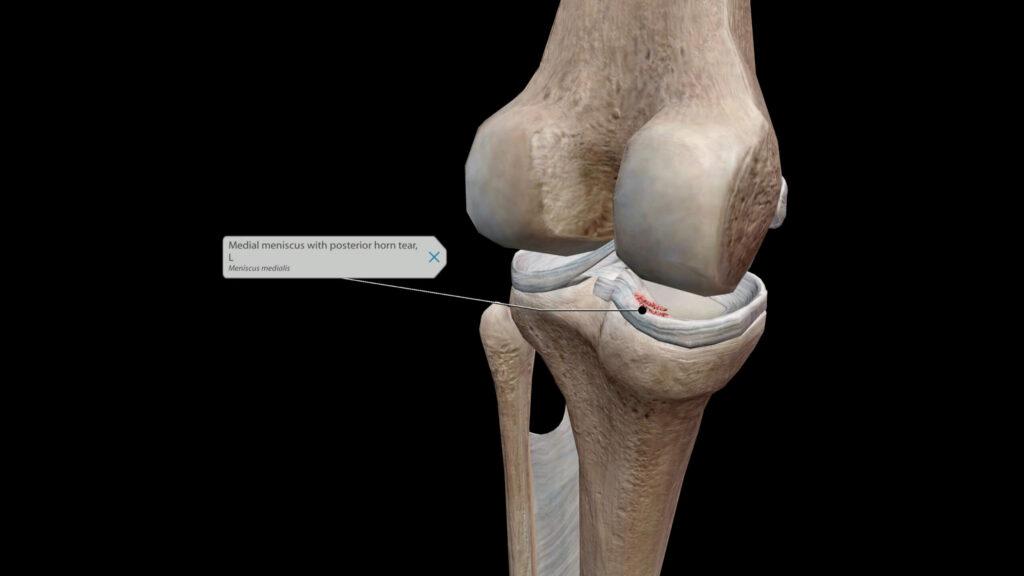
Rethinking Meniscus Tears
Meniscus tears are among the most commonly diagnosed knee injuries, and they are also among the most frequently recommended for surgery. However, research over the past decade has increasingly shown that conservative care produces outcomes comparable to surgery for many meniscus injuries, particularly degenerative tears. This shift in evidence is changing how the condition is managed.
At Function Performance Sport Chiropractic in Oregon City, we take a measured, evidence-based approach to meniscus pain. Our goal is to give you a clear picture of your specific situation and to pursue conservative options first when they are likely to work. When surgery is truly the right step, we coordinate it promptly.
Surgery Is Not the First Step
For most meniscus tears, conservative care is the right starting point. Research and outcomes increasingly support it. Surgery remains an option if needed.
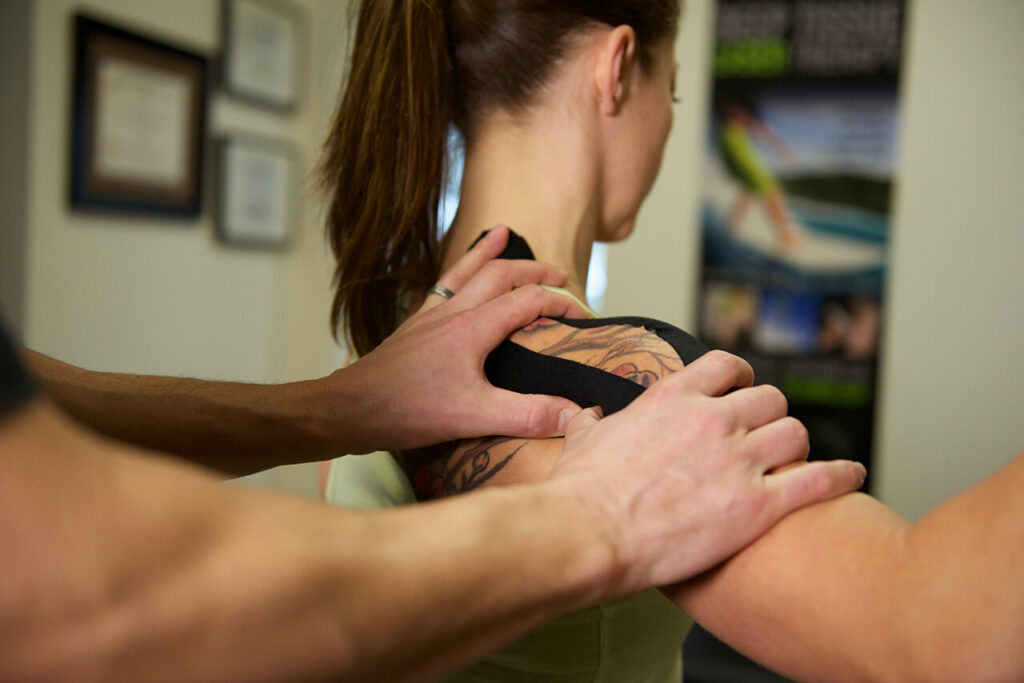
Evidence-Based Recovery: Our Approach to Meniscus Tears
Understanding the Meniscus
The knee has two menisci, crescent-shaped pieces of cartilage between the femur and tibia. They distribute load across the knee joint, absorb shock, and contribute to joint stability. The menisci can tear in different ways:
Degenerative tears. These develop gradually over time, often in middle-aged and older adults. They are extremely common on imaging, often without causing symptoms. When they do cause symptoms, conservative care is usually the right starting point.
Traumatic tears. Sudden tears from specific events, typically in younger patients during cutting or pivoting sports. Even many of these respond to conservative care, though some (particularly larger bucket-handle tears with locking) may require surgical evaluation.
Chronic tears. Tears that have been present for some time without full resolution of symptoms. Often responsive to care that addresses the surrounding mechanics rather than the tear itself.
What the Research Shows
Multiple high-quality studies over the past decade have compared arthroscopic partial meniscectomy (surgical trimming of the tear) to conservative care for degenerative meniscus tears. Results have consistently shown that conservative care produces similar outcomes for most patients, without the risks of surgery or the prolonged recovery.
This does not mean surgery is never appropriate. It does mean that conservative care is a reasonable and often preferable starting point for many people.
Our Treatment Approach
Thorough assessment. Clinical tests that help identify meniscus involvement. Evaluation of contributing factors like hip mechanics, quadriceps function, and patellofemoral tracking. Honest discussion about what imaging (if any) is likely to change in your plan.
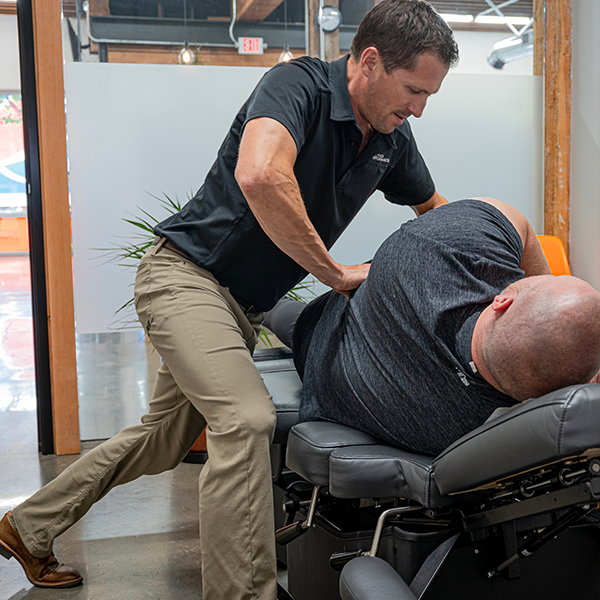
Joint mobilization. Knee capsule mobilization to restore normal joint mechanics. Patellofemoral joint work to improve tracking. Tibiofemoral mobilization to optimize load distribution across the meniscus.
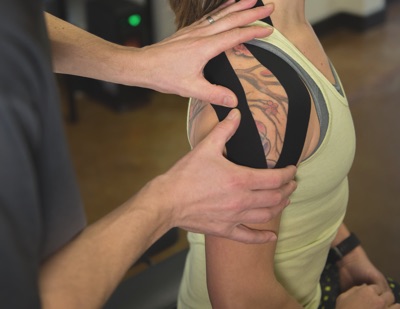
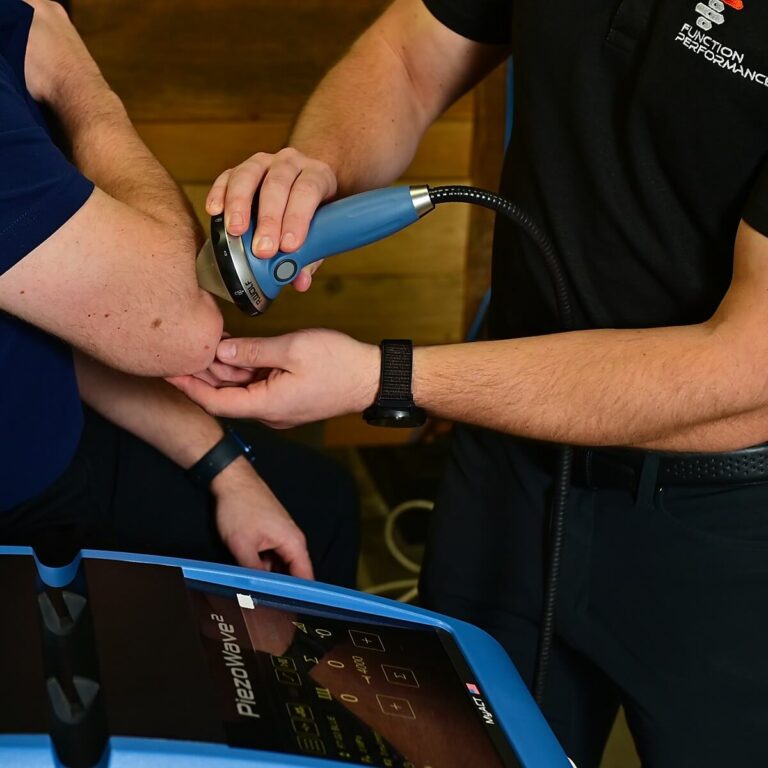
Manual therapy. Precise soft tissue work on surrounding muscles including quadriceps, hamstrings, calf, and hip structures. Active Release Technique and IASTM for chronic tissue restrictions.
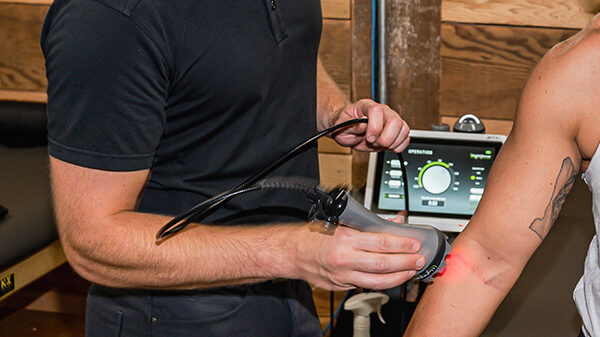
Class 4 laser therapy. Reduction of inflammation in the joint and surrounding tissue, which is often a major driver of meniscus-related pain.
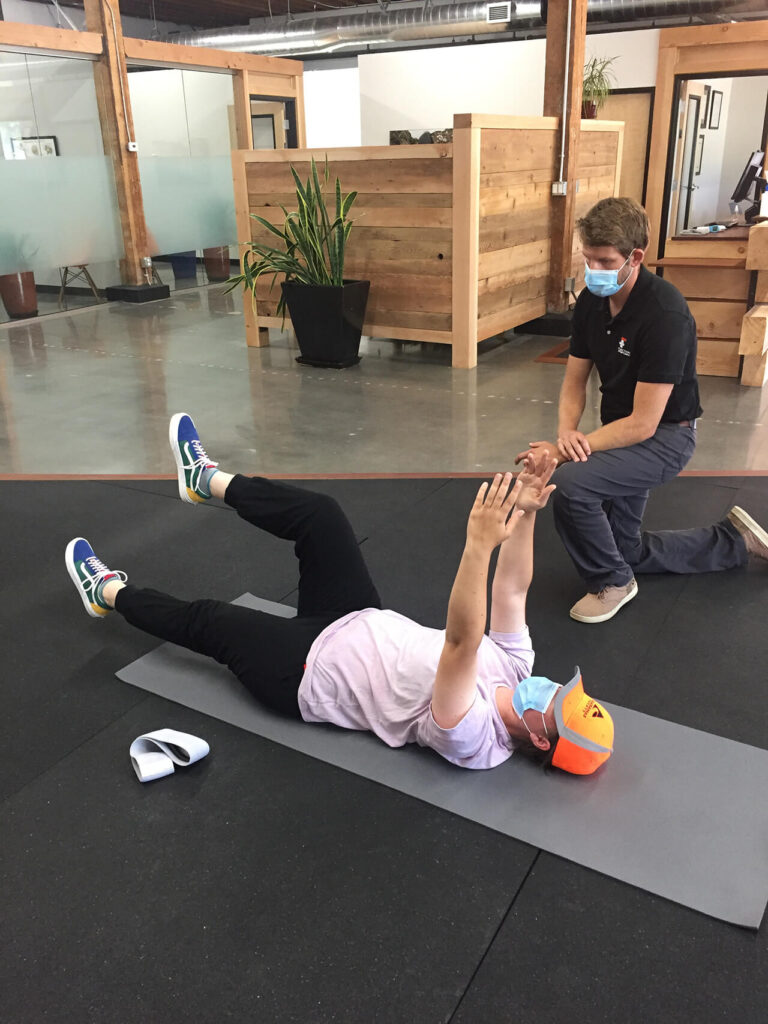
Progressive strengthening. Quadriceps, hamstrings, hip stabilizers, and core work. Building the capacity that takes load off the sensitive area and supports pain-free movement.
Movement retraining. Squat mechanics, cutting patterns, and activity-specific movement coaching to reduce ongoing aggravation.
When Surgery May Be the Right Path
Some meniscus presentations benefit from surgical consultation:
-
- True mechanical locking where the knee cannot fully straighten or bend
-
- Displaced bucket-handle tears in active individuals
-
- Tears in younger athletes that do not respond appropriately to conservative care
-
- Significant functional limitation that has not improved with appropriate treatment
When these situations apply, we coordinate with orthopedic specialists without delay and support your pre- and post-operative rehabilitation.
What Recovery Looks Like
Most meniscus cases show meaningful improvement within four to eight weeks of integrated conservative care. Chronic cases may take longer. Throughout, we track specific markers (pain-free squat depth, stair climbing, jogging tolerance, sport-specific movements) so progress is measurable.
Book your performance evaluation today to get a thorough, honest assessment of your meniscus condition and explore conservative options first.

How we Treat Meniscus Tears and Pain
Explore a full range of evidence-informed therapies designed to
reduce pain, restore movement, and support long-term recovery.

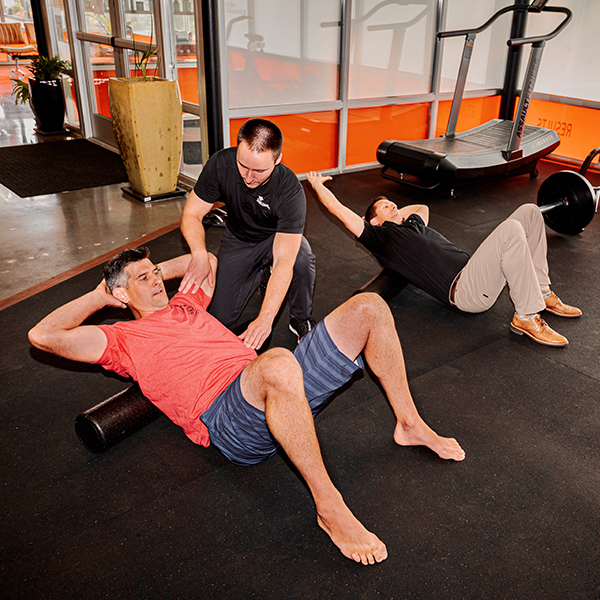

Common Symptoms You May Be Feeling
Meniscus injuries produce distinct patterns. If these match your experience, precise care is the right next step.
Book Your Performance Evaluation Today
Dealing with knee pain that has been diagnosed or suspected as a meniscus issue? Start with a real assessment and explore conservative options first.

Common Questions
Research has increasingly shown that many meniscus tears do not require surgery. Degenerative tears in particular often respond well to conservative care. Acute bucket-handle tears with true locking, and some tears in younger athletes, may require surgical evaluation.
Meniscus tissue has limited blood supply, so true healing of the tear itself is variable. However, many people return to full pain-free function even with a tear remaining, because the symptoms were driven by secondary inflammation and mechanics rather than the tear itself.
Most patients see meaningful improvement within four to eight weeks of integrated care. Return to demanding sport may take longer. Chronic degenerative cases may require a longer plan, but progress should be measurable throughout.
True mechanical locking, where the knee will not fully straighten or bend, is different from the catching or clicking most people describe. True locking may indicate a displaced fragment that needs surgical evaluation. We will tell you clearly which applies to your case.
Meet the Team
Our Chiropractic Sports Physicians combine advanced soft tissue training with progressive rehab so you move better, perform better, and live better.
Ben Hokenson DC, DACBSP
Chiropractor
Meet Ben →Dr. Ben is a 2008 graduate of University of Western states earning his doctorate of chiropractic degree with many years of clinical practice and continual training.

Kyle Bangs DC, MS, CCSP, CSCS
Chiropractor
Meet Kyle →Dr. Kyle Bangs is a native to the Pacific Northwest — growing up hiking, fishing and staying active with various sports and recreation in SW Washington.


Certifications and Therapy









Why Choose Function Performance?
Evidence-Based Assessment
Our evaluation distinguishes meniscus issues from other sources of knee pain and identifies which presentations are most likely to respond to conservative care.
Integrated Treatment
Manual therapy, targeted modalities, and progressive rehab all happen in the same visit. Most meniscus cases respond well to this combined approach.
Honest About Surgery
We are direct about when surgery is the right path. For most meniscus cases, it is not the first step, and we are clear about why.


We don’t do cookie-cutter massage. We tailor everything to you.




