
Knee Strains and Sprains
Acute ligament and muscle injuries to the knee. Precision care that manages the acute phase and builds a complete return to full activity.
Understanding Knee Strains and Sprains
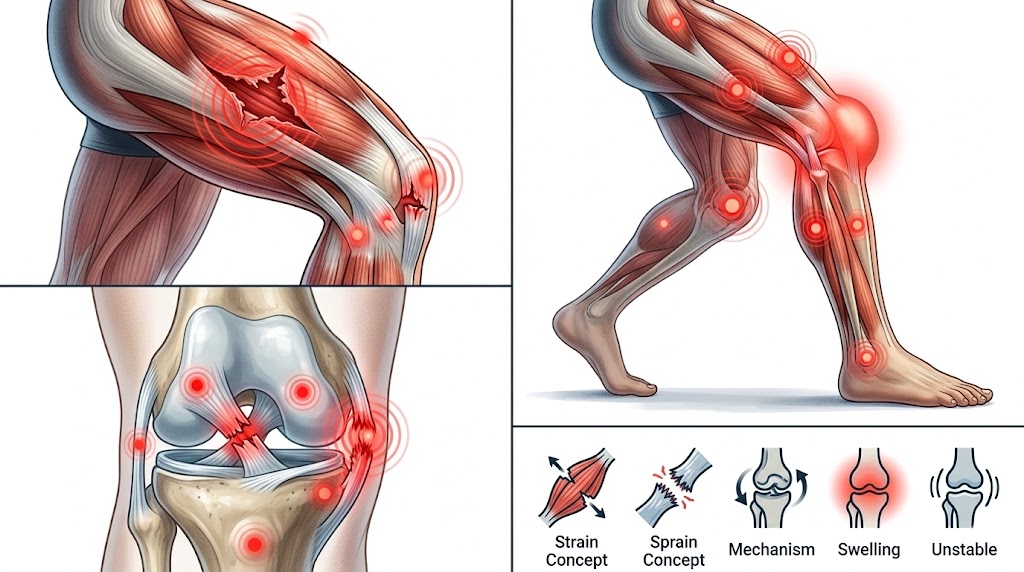
The terms strain and sprain are often used interchangeably, but they refer to different things. A strain is an injury to a muscle or tendon. A sprain is an injury to a ligament. Both are common in the knee, and both respond well to appropriate care when it is structured and progressive.
At Function Performance Sport Chiropractic in Oregon City, we treat the full spectrum of acute knee injuries, from mild strains that resolve in days to significant sprains that require multi-week progressive rehab. The approach is systematic because shortcuts lead to recurring problems.
Real Recovery, Not Just Time Off
Acute knee injuries need more than rest. Without progressive rehab, you return to activity with deficits that set up the next problem.
Complete Recovery: Our Approach to Knee Strains & Sprains
Common Injuries We Treat
MCL (medial collateral ligament) sprains. Injuries to the ligament on the inside of the knee, typically from a lateral force or valgus (inward) stress. Most grade 1 and 2 MCL sprains heal well with conservative care.
LCL (lateral collateral ligament) sprains. Injuries to the ligament on the outside of the knee, less common than MCL injuries but important to manage correctly when they occur.
Posterior cruciate ligament (PCL) injuries. Typically from a direct blow to the front of the knee or a hyperextension event. Conservative management is often appropriate, depending on severity.
Quadriceps and hamstring strains. Acute muscle strains at the knee or thigh, common in sprinting, cutting, and jumping sports.
Combined injury presentations. Many knee injuries involve more than one structure. Our examination identifies everything contributing to your symptoms.
Our Treatment Approach
Accurate initial assessment. Orthopedic testing of all relevant structures. Neurological and vascular screening. Identification of injuries that need imaging or specialist referral.
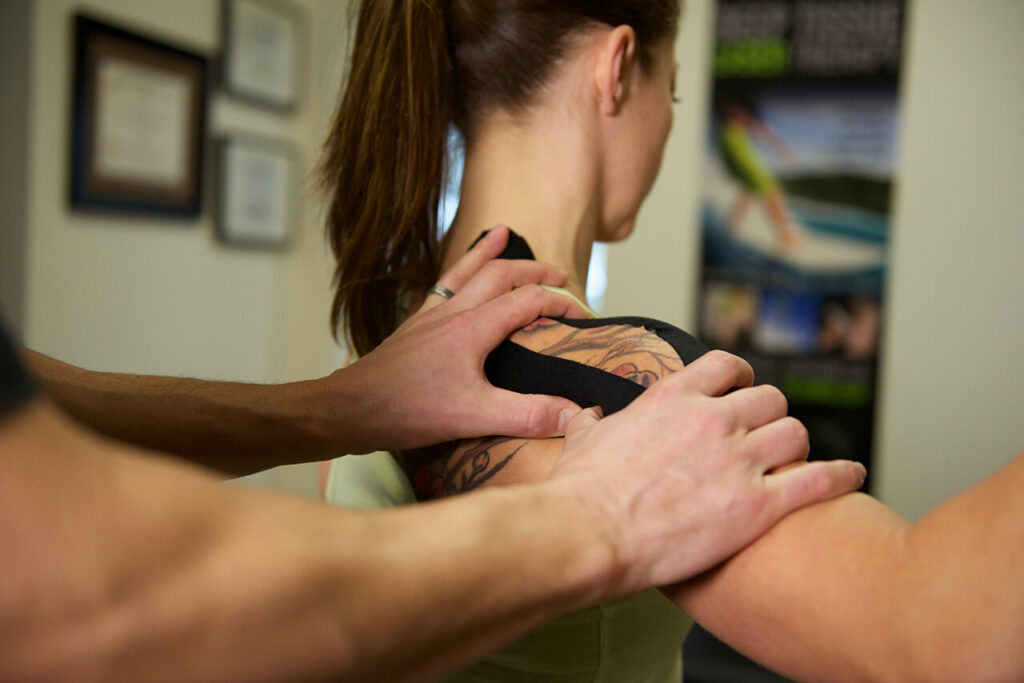
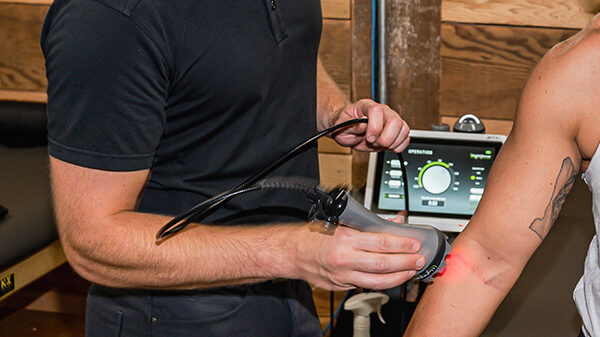
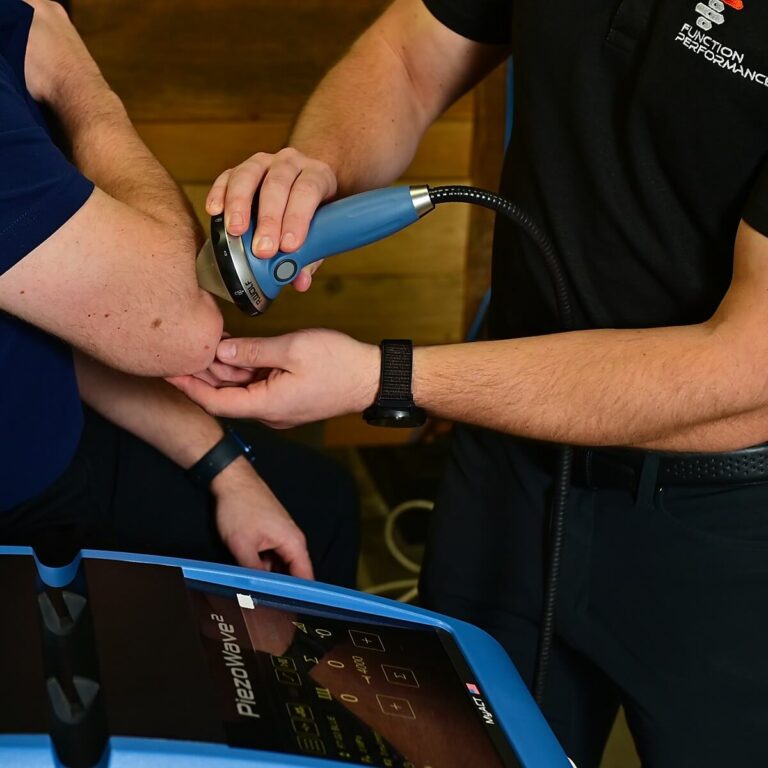
Acute-phase management. Class 4 laser therapy to reduce inflammation. Appropriate taping or bracing to protect healing tissue. Compression and elevation guidance. Early, safe mobility work.
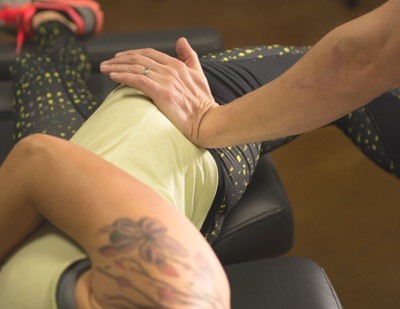
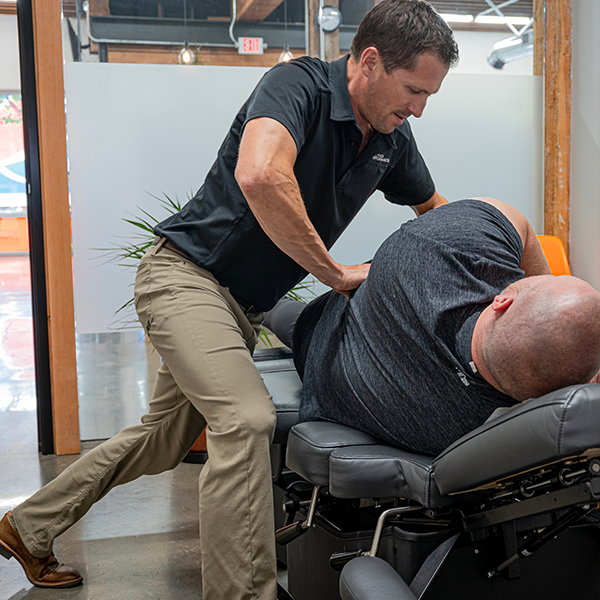
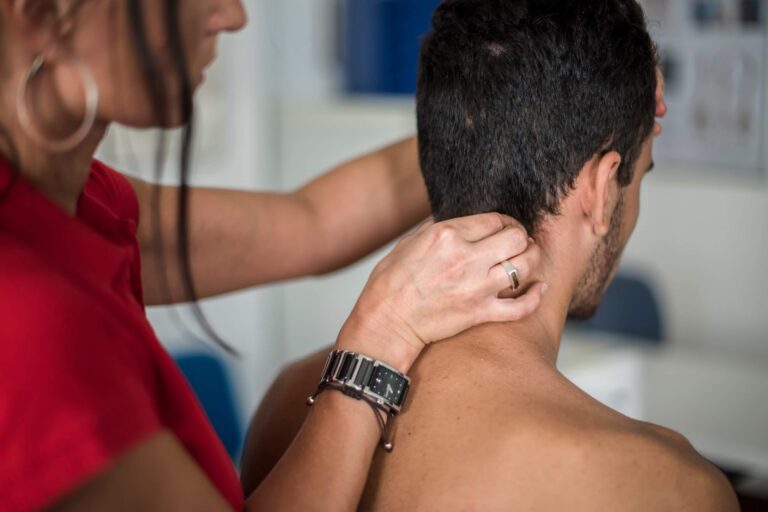
Manual therapy. Joint mobilization to prevent capsular restrictions from developing. Soft tissue work on protective spasm in surrounding muscles. Mobilization of related joints (hip, ankle) that affect knee loading.
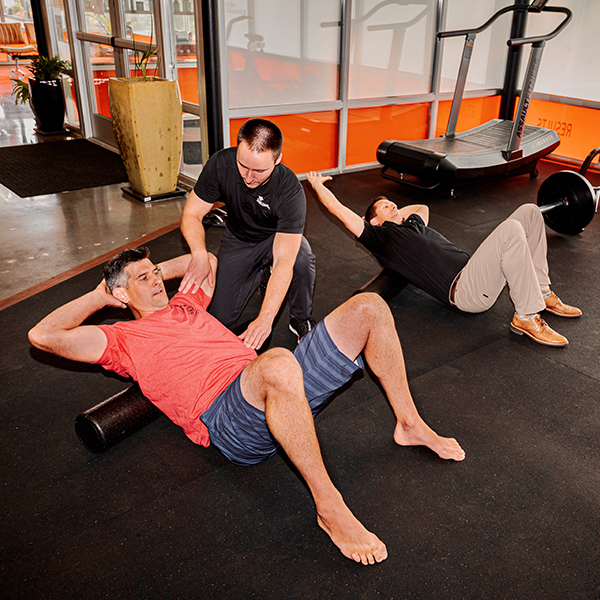
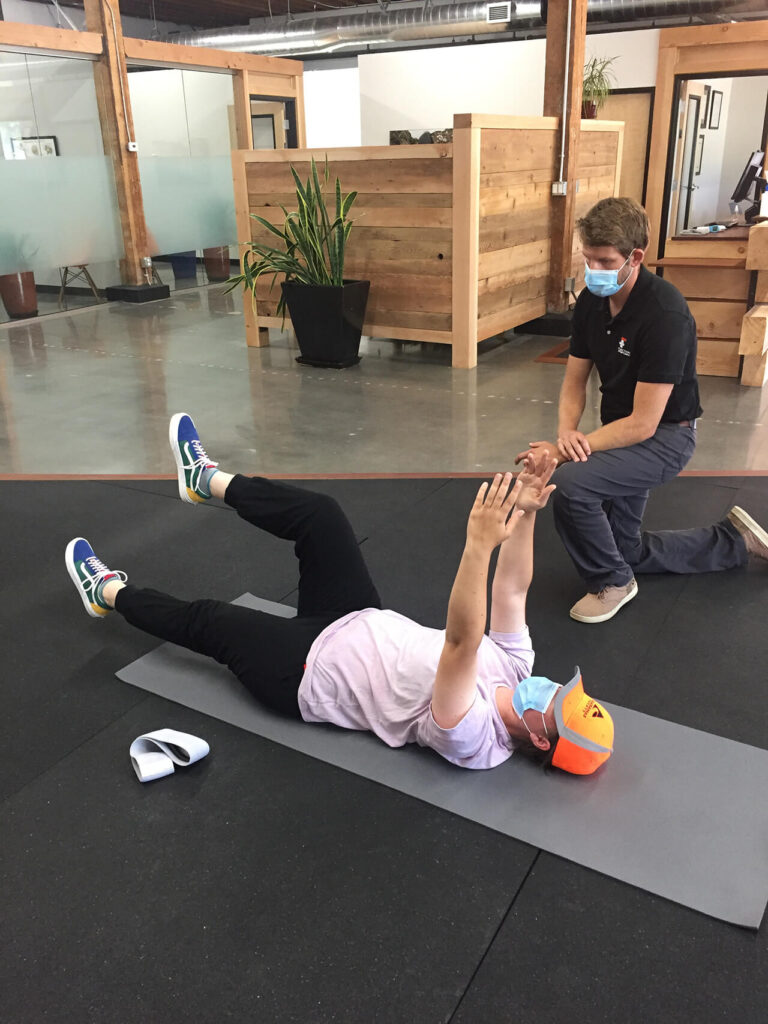
Progressive loading. Early phase isometric and isotonic work that protects healing tissue while maintaining muscle function. Mid-phase strength work for quads, hamstrings, and hip stabilizers. Late phase power, plyometric, and sport-specific loading.
Return-to-activity criteria. Objective testing of strength, balance, and sport-specific performance before full return. Gradual return to demanding activity supervised by your provider.
When Imaging Matters
Most knee strains and sprains can be assessed and treated based on clinical examination. However, some presentations warrant imaging:
-
- Significant immediate swelling after injury
-
- Inability to bear weight on the leg
-
- Obvious instability or a sensation that something shifted
-
- Joint locking or significant mechanical symptoms
-
- Failure to progress with appropriate care
When imaging is indicated, we coordinate it promptly and integrate findings into your plan.
When Surgery Is the Right Path
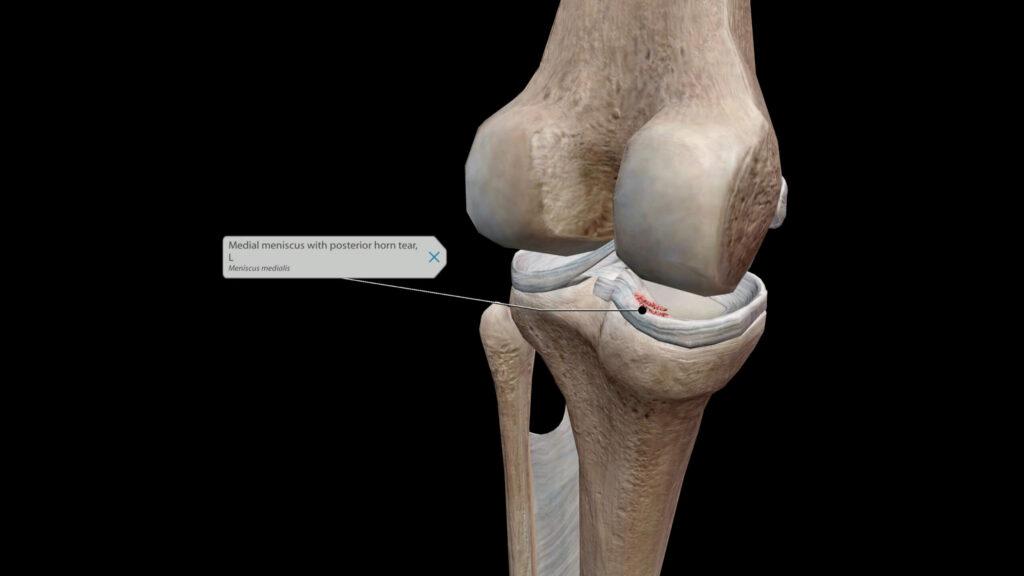
Some knee injuries require surgical consideration, particularly high-grade ACL tears, certain meniscal injuries, and combined ligament injuries. When surgery is the right path, we coordinate with orthopedic specialists efficiently and support your pre- and post-operative rehabilitation.
What Recovery Looks Like
Mild knee strains often resolve in one to three weeks with appropriate care. Moderate to severe injuries may take four to twelve weeks or longer. Throughout, we track specific markers (strength, range of motion, pain-free function, sport-specific performance) so progress is measurable and return-to-activity decisions are grounded in objective data.
Book your performance evaluation today to start with a thorough knee assessment and a real recovery plan.
How we Treat Knee strains and sprains
Explore a full range of evidence-informed therapies designed to
reduce pain, restore movement, and support long-term recovery.

Common Symptoms You May Be Feeling
Knee strains and sprains produce distinct patterns. If these match your experience, precise care is the right next step.
Book Your Performance Evaluation Today
Dealing with a fresh knee injury or one that has not fully resolved? Start with a thorough assessment and a structured recovery plan.
Common Questions
Indications for imaging include significant swelling immediately after injury, inability to bear weight, obvious instability, a sense that something shifted or popped, or symptoms not responding to appropriate care. Our examination guides this decision.
Mild strains often allow return in one to three weeks. More significant injuries can take four to twelve weeks or longer. Our return-to-sport criteria are based on objective testing, not just calendar time, so return is based on actual readiness.
Sometimes yes, particularly during the acute phase or for specific ligament injuries. Long-term bracing is usually not ideal because it can reduce proprioceptive development. We will recommend if, when, and what type of brace fits your specific injury.
Not with proper rehabilitation. Complete, progressive rehab restores full strength and function in the vast majority of strains and sprains. Without proper rehab, persistent weakness and injury recurrence are common, which is why structured care matters.
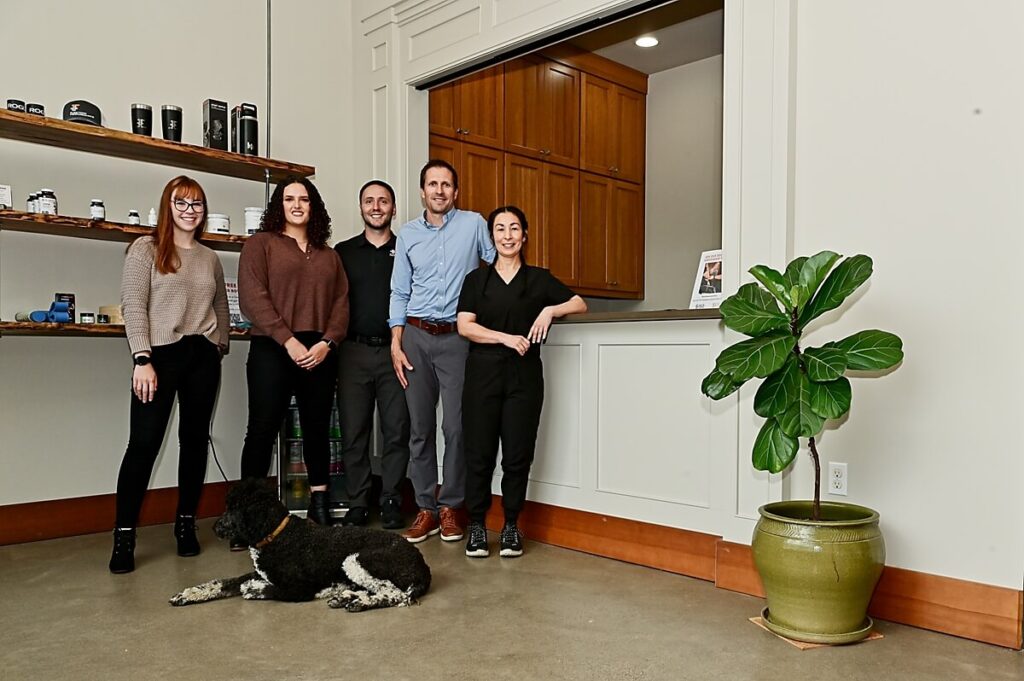
Meet the Team
Our Chiropractic Sports Physicians combine advanced soft tissue training with progressive rehab so you move better, perform better, and live better.
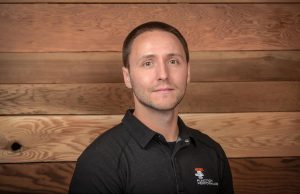
Ben Hokenson DC, DACBSP
Chiropractor
Meet Ben →Dr. Ben is a 2008 graduate of University of Western states earning his doctorate of chiropractic degree with many years of clinical practice and continual training.

Kyle Bangs DC, MS, CCSP, CSCS
Chiropractor
Meet Kyle →Dr. Kyle Bangs is a native to the Pacific Northwest — growing up hiking, fishing and staying active with various sports and recreation in SW Washington.
Certifications and Therapy






Why Choose Function Performance?
Accurate Initial Assessment
Our thorough examination identifies the specific structures involved and distinguishes mild strains from injuries that need imaging or specialist referral.
Integrated Acute-Phase Care
We combine manual therapy, laser, and protective taping to manage acute symptoms and create optimal conditions for tissue healing from day one.
Full Return-to-Sport Plans
Our return-to-activity progressions address strength, control, power, and sport-specific demands so you return with real confidence, not just reduced pain.

We don’t do cookie-cutter massage. We tailor everything to you.




