
Jumper's Knee
Patellar tendon pain that limits jumping, cutting, and deep knee loading. A sport-specific presentation that responds well to targeted athlete care.


What Is Jumper’s Knee?
Jumper’s knee is the sport-specific name for patellar tendinopathy in athletes who jump, cut, or load the knee heavily. It is particularly common in basketball, volleyball, track and field (especially jumpers and sprinters), soccer, and similar sports.
The condition involves degenerative changes in the patellar tendon (the tendon that connects the kneecap to the shinbone) that cause pain, typically at the lower pole of the kneecap. Without appropriate care, it often becomes chronic and can limit athletic performance for months or even years.
At Function Performance Sport Chiropractic in Oregon City, we treat jumper’s knee with an athlete-focused approach that combines progressive tendon loading, advanced modalities, and sport-specific return-to-play planning. Our goal is not just pain reduction; it is getting you back to full athletic demand with confidence.
Jumper’s knee is frustrating because it often limits the exact movements your sport requires. Without the right approach, it can linger for months or become chronic. Our athlete-focused care combines progressive tendon loading, advanced modalities like focused shockwave therapy, and full-chain assessment to get you back to jumping, cutting, and competing.
Built for Athletes
Jumper's knee is common in jumping and cutting sports, and responds well to the right approach. Our sport-focused care is built for athletes.
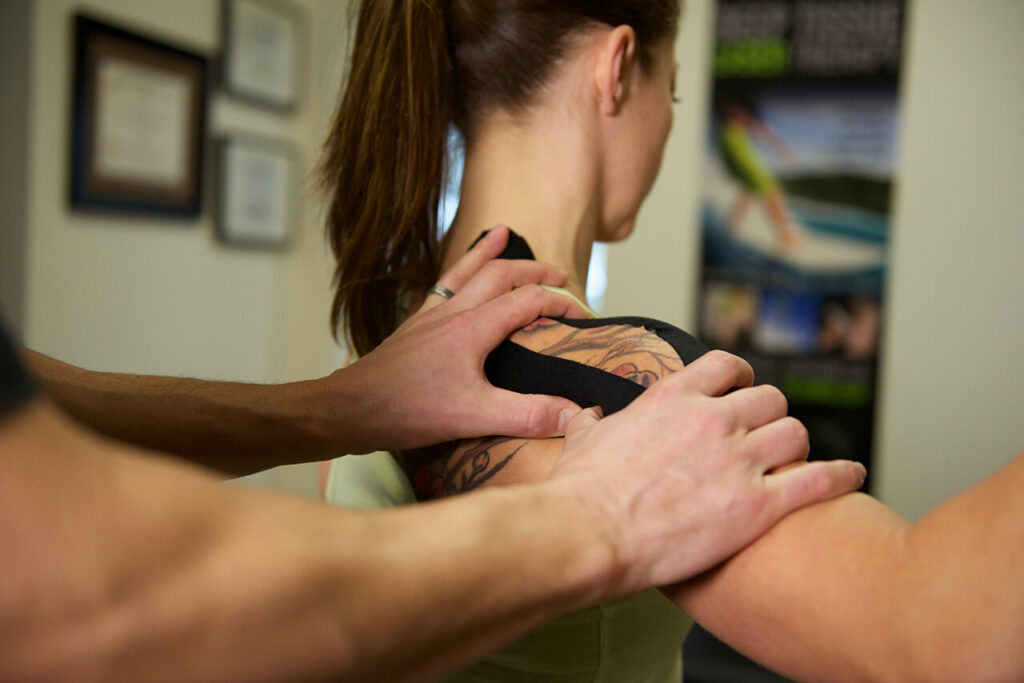
Athletic Excellence: Our Approach to Jumper’s Knee
Why It Happens
Patellar tendinopathy develops when the load placed on the patellar tendon exceeds its current capacity to handle that load. Several factors contribute:
-
- High training volume, particularly in jumping or deep-knee-loading sports
-
- Rapid increases in training intensity or frequency
-
- Insufficient recovery between high-load sessions
-
- Strength or capacity deficits in the quadriceps
-
- Poor landing mechanics that amplify patellar tendon stress
-
- Hip or ankle mobility restrictions that shift more load onto the knee
Most cases involve some combination of these. Addressing all of them is what produces lasting change.
Sport-Specific Presentation
Jumper’s knee typically shows up as:
-
- Pain at the lower tip of the kneecap, sometimes traveling into the upper patellar tendon
-
- Symptoms that worsen with jumping, landing, cutting, and deep squatting
-
- Stiffness after activity or first thing in the morning
-
- Pain that warms up at the start of training but returns afterward
-
- Performance decline in jumping height or cutting confidence
Different athletes notice it in different ways. A volleyball player may lose inches off their jump. A basketball player may avoid certain cuts. A track athlete may find sprints more painful than distance work. What the condition does is limit the exact movements your sport requires.
Our Treatment Approach
Progressive tendon loading. This is the cornerstone of tendinopathy care. We build a structured program that includes isometric work for pain relief, heavy slow resistance training for tendon remodeling, and progressive plyometric loading for return to sport.
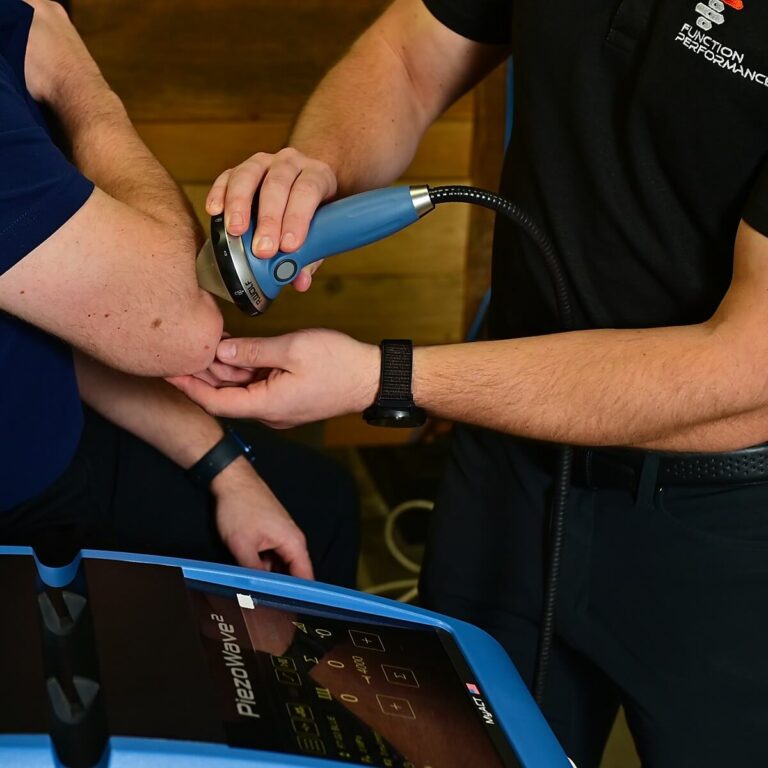
Focused shockwave therapy. For chronic cases, shockwave has strong research support and can produce significant change within three to six sessions. We integrate it into plans for athletes whose tendons have become recalcitrant to loading alone.
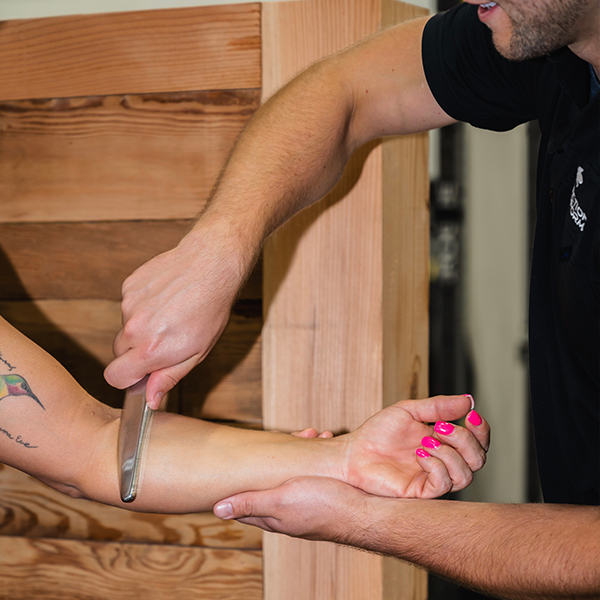
Manual therapy. Soft tissue work on the quadriceps, IT band, and surrounding structures. Joint mobilization of the patellofemoral joint, tibiofemoral joint, and related joints. Cupping and IASTM for fascial restrictions.
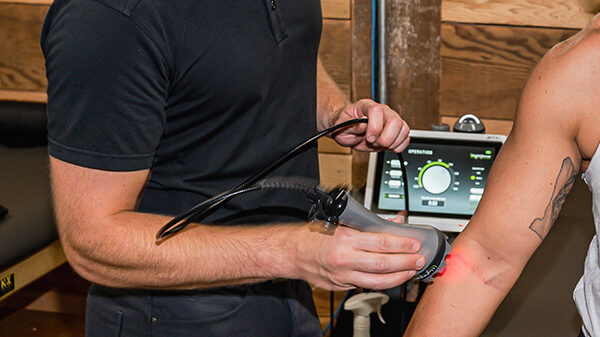
Class 4 laser therapy. Supports healing in the inflamed tissue and reduces pain during active rehabilitation.
Full-chain assessment. Hip strength and control, ankle mobility, and movement patterns. Landing mechanics coaching. Deficits upstream or downstream that amplify knee loading.
Sport-specific return plan. Structured progression from rehab exercises to sport-specific demands. Return-to-sport criteria based on strength, pain-free loading, and functional testing.
Training During Recovery
Complete rest is usually not ideal for tendinopathy. Modified activity often works better than total removal from sport. We help you figure out what to continue, what to modify, and what to avoid so you can manage training volume while your tendon recovers.
What Recovery Looks Like
Most cases of jumper’s knee show meaningful improvement within four to twelve weeks of integrated care. Chronic cases that have been present for months or longer may take more time, but respond well to the right combination of loading and shockwave. Throughout, we track objective markers so you can see the path forward clearly.
Book your performance evaluation today to get athlete-focused care for your jumper’s knee.
How we Treat Jumper’s Knee
Explore a full range of evidence-informed therapies designed to
reduce pain, restore movement, and support long-term recovery.
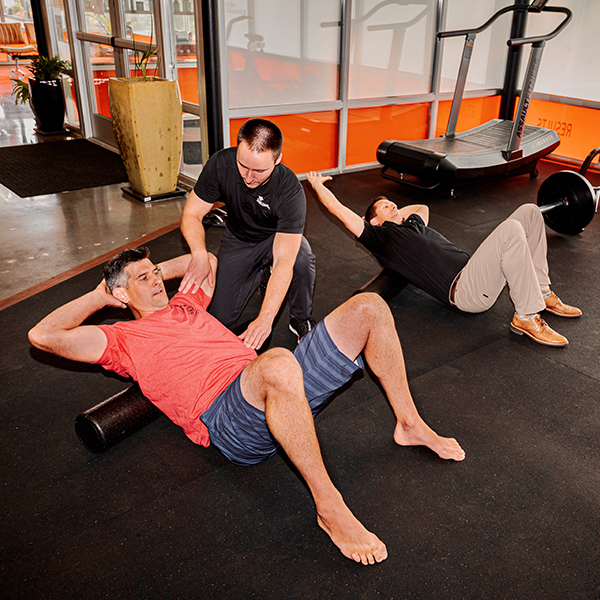
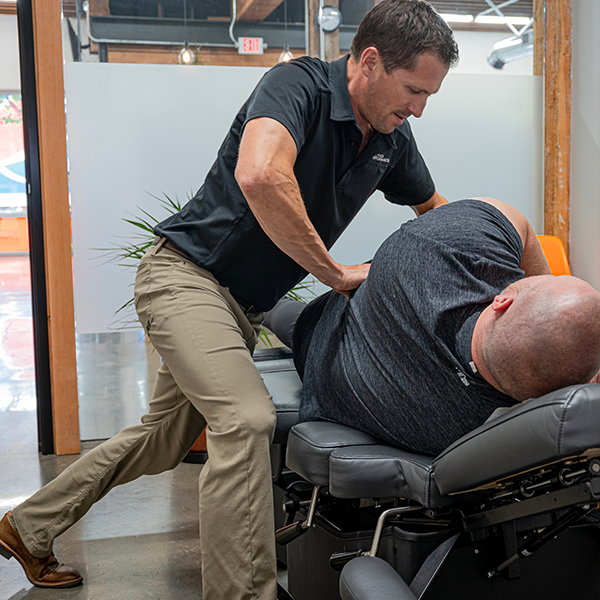

Common Symptoms You May Be Feeling
Jumper’s knee has a distinct presentation in athletes. If these match your experience, sport-specific care is the right next step.
Book Your Performance Evaluation Today
Dealing with patellar tendon pain that is limiting your sport? Start with a thorough athlete-focused assessment and plan.
Common Questions
Often yes, with modifications. Complete rest is not typically the best approach for tendinopathy. We help you figure out how to manage your training volume and what to modify so you can recover while staying in your sport.
Patellar tendinopathy often becomes chronic because people either rest too much (leading to deconditioning) or return to full sport too soon (re-aggravating the tendon). The right progression balances these, which is why structured care matters.
Jumper’s knee is essentially patellar tendonitis (or more accurately, tendinopathy) in athletes. The underlying tissue pathology is the same, but the context, demands, and return-to-sport considerations are sport-specific for jumping athletes.
Focused shockwave therapy has strong research support for chronic patellar tendinopathy, often producing significant improvement within three to six sessions. It works best when combined with progressive tendon loading and full-chain rehab.
Meet the Team
Our Chiropractic Sports Physicians combine advanced soft tissue training with progressive rehab so you move better, perform better, and live better.
Ben Hokenson DC, DACBSP
Chiropractor
Meet Ben →Dr. Ben is a 2008 graduate of University of Western states earning his doctorate of chiropractic degree with many years of clinical practice and continual training.

Kyle Bangs DC, MS, CCSP, CSCS
Chiropractor
Meet Kyle →Dr. Kyle Bangs is a native to the Pacific Northwest — growing up hiking, fishing and staying active with various sports and recreation in SW Washington.


Certifications and Therapy









Why Choose Function Performance?
Athlete-Focused Approach
Our providers work with jumping and cutting athletes regularly. That experience shapes how we assess, treat, and progress return-to-sport plans.
Shockwave Therapy
Focused shockwave is one of the most evidence-supported tools for patellar tendinopathy, and we integrate it into plans for athletes with chronic cases.
Sport-Specific Loading
Progressive plyometric and sport-specific loading progressions ensure return to jumping and cutting is built on a foundation of real tendon capacity.


We don’t do cookie-cutter massage. We tailor everything to you.




