
Hip Pain, Gluteal Tendonitis, and Hip Flexor Strains
Comprehensive care for hip pain driven by gluteal tendinopathy, hip flexor injuries, and deep hip dysfunction. Full-chain assessment, precision treatment.
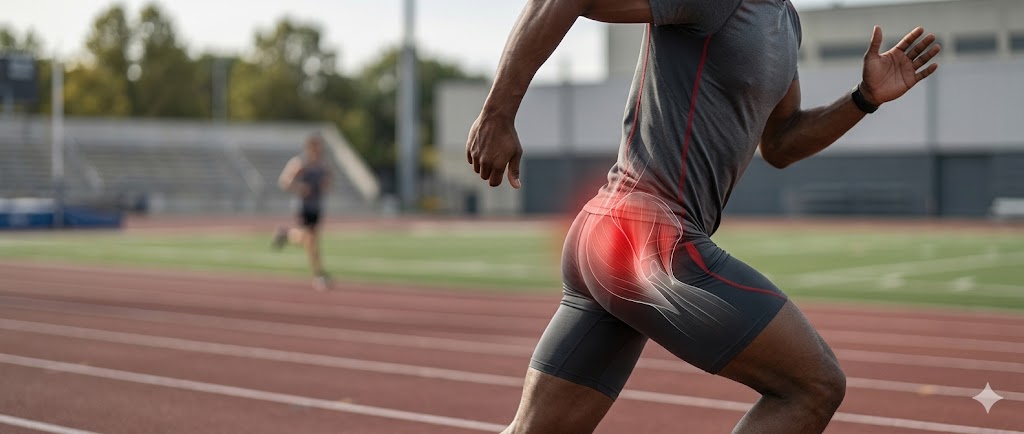
Hip Pain: Multiple Conditions, One Integrated Approach
Hip pain comes in many forms. Lateral pain over the outside of the hip. Sharp pain at the front with activity. Deep groin pain that aches with movement. Pain that radiates or fatigues after long walks or runs. Each pattern has a likely source, and identifying the right one is essential to building a treatment plan that actually works.
At Function Performance Sport Chiropractic in Oregon City, we treat the full spectrum of hip pain with a systematic, full-chain approach. This page covers three of the most common categories we see: gluteal tendinopathy, hip flexor strains, and deep hip dysfunction.
Hip Pain Has Many Sources
Lateral, front-of-hip, and groin pain all have different drivers and different treatment plans. Accurate diagnosis is where real recovery starts.
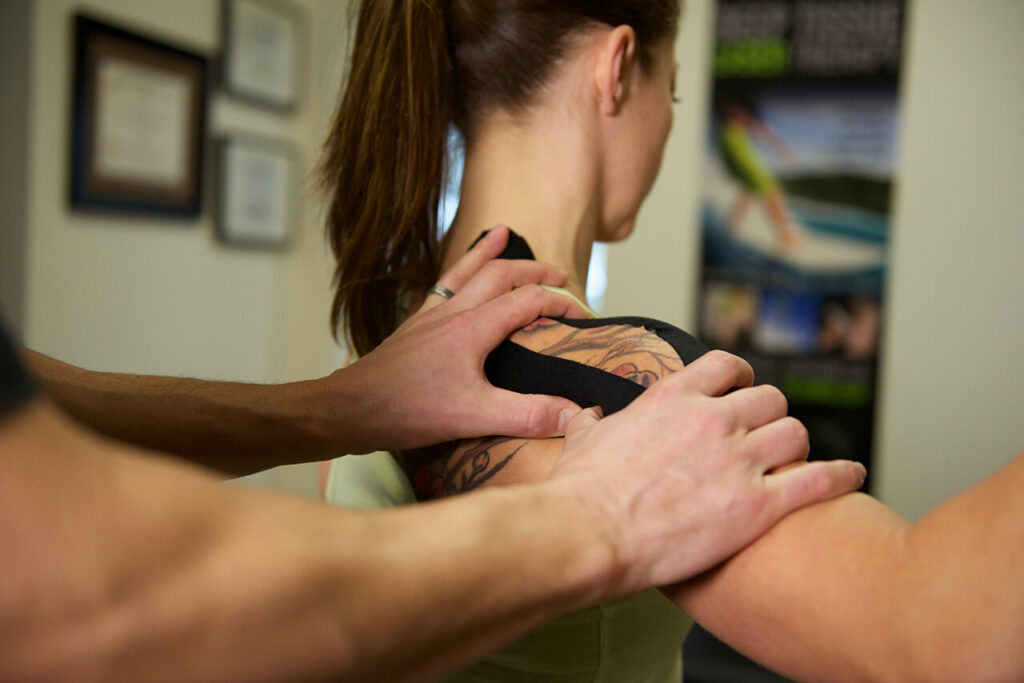
Comprehensive Recovery: Our Approach to Hip & Gluteal Pain
Gluteal Tendinopathy (Lateral Hip Pain)
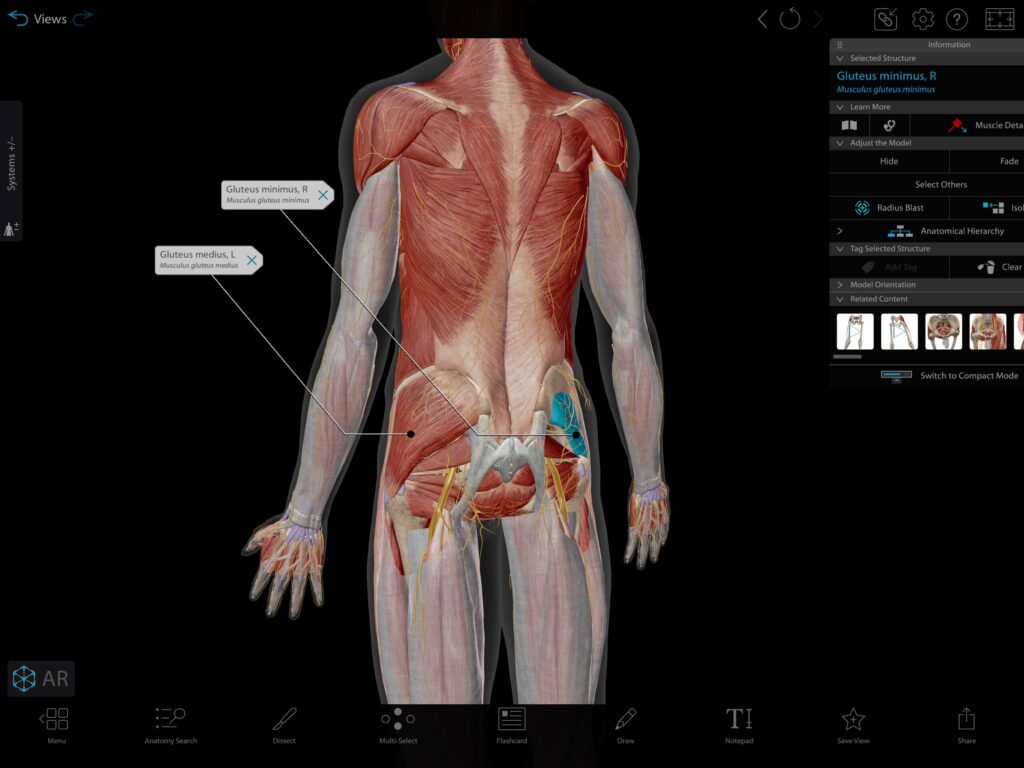
Pain over the outside of the hip, often worse when sleeping on that side or after prolonged standing, is most commonly gluteal tendinopathy. The gluteus medius and minimus tendons attach to the greater trochanter (the bony prominence on the side of the hip), and these tendons can become degenerative or irritated from a combination of compression and overload.
Common contributing factors:
-
- Weakness of the gluteal muscles themselves
-
- Prolonged sitting with the hips adducted
-
- Running or walking patterns that load the lateral hip heavily
-
- Leg length discrepancies or gait asymmetries
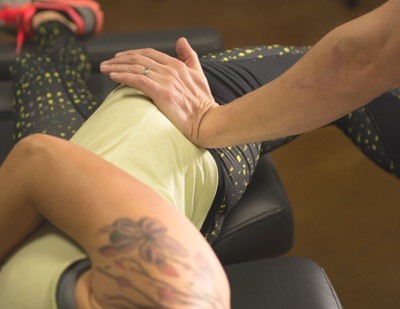
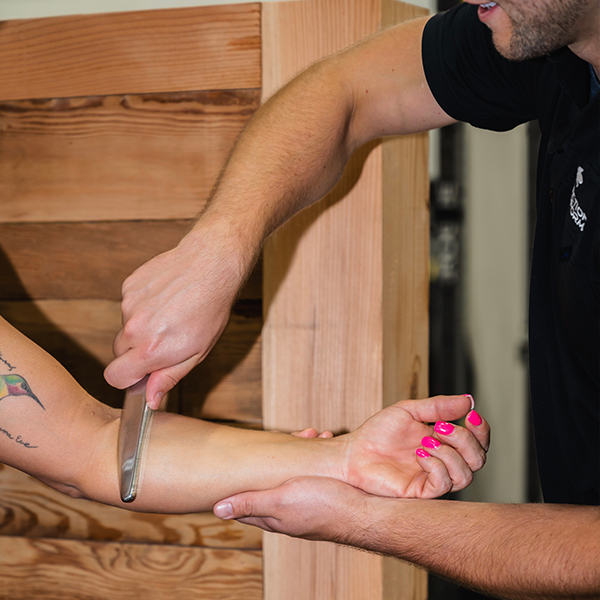
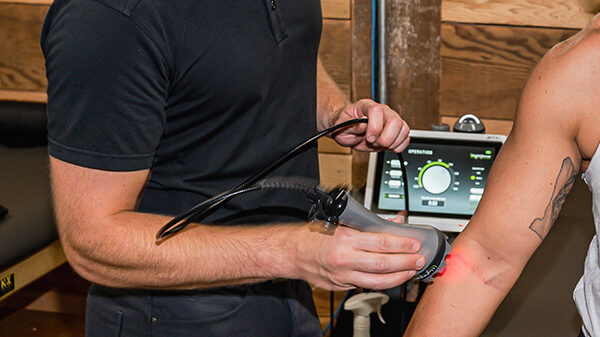
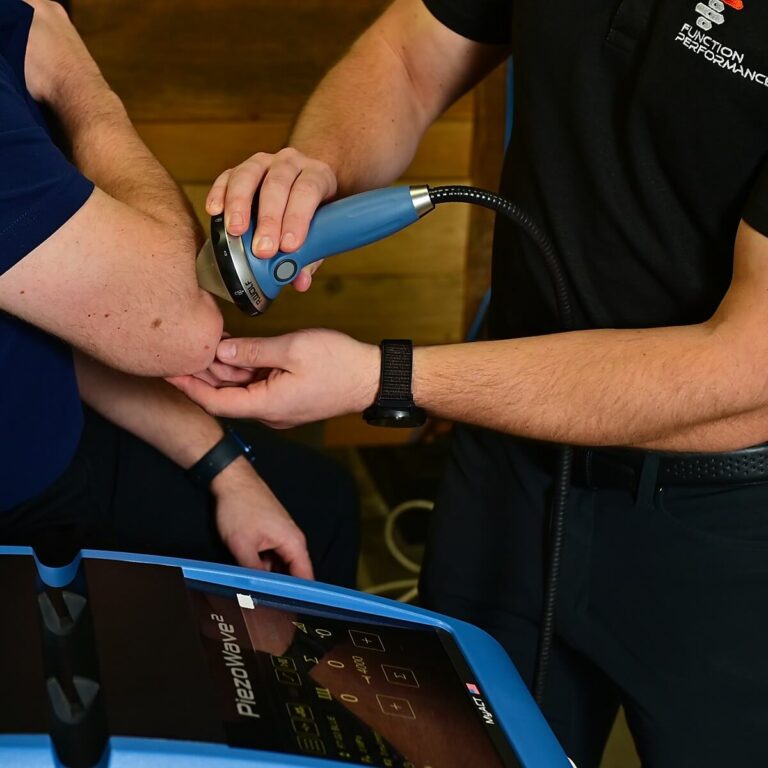
Our approach. Focused shockwave therapy works exceptionally well for chronic gluteal tendinopathy. We combine it with precise manual therapy on the surrounding tissue, joint work, and progressive glute loading that addresses both the tendon health and the underlying strength deficit.
Acute Hip Flexor Strains
Sudden, sharp pain at the front of the hip during sprinting, kicking, or explosive movements typically indicates an acute hip flexor strain. The iliopsoas and rectus femoris are the most commonly strained muscles.
Common scenarios:
-
- Kicking or sprinting sports producing a sudden strain
-
- Explosive athletic movements (jumps, sprints)
-
- Sudden slip or overstretch event
-
- Return to demanding activity after extended rest
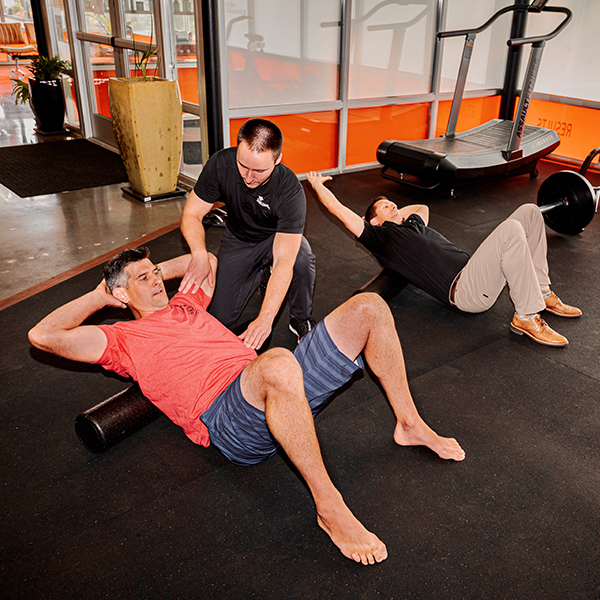
Our approach. Early care with Class 4 laser therapy to reduce inflammation. Targeted manual therapy to prevent compensatory tightness. Progressive loading that starts early and advances systematically. A structured return-to-sport plan that ensures the tissue is actually ready for demand.
Chronic Hip Flexor Tendinopathy
Chronic front-of-hip pain and stiffness that has not responded to stretching typically indicates a tendinopathy rather than an acute strain. This is covered in more detail on our Hip Flexor Tendonitis page, but it often coexists with the other conditions on this page, and our approach addresses all contributing factors.
Deep Hip and Labral-Related Pain
Deep groin or hip pain, especially with clicking, catching, or instability, may indicate involvement of the hip labrum, joint capsule, or related structures. Many of these presentations respond well to conservative care when mechanics are restored.
Common contributing factors:
-
- Hip impingement (FAI) related to bony anatomy or muscular compensation
-
- Labral irritation or tear
-
- Hip joint capsule restrictions
-
- Iliopsoas impingement or snapping hip
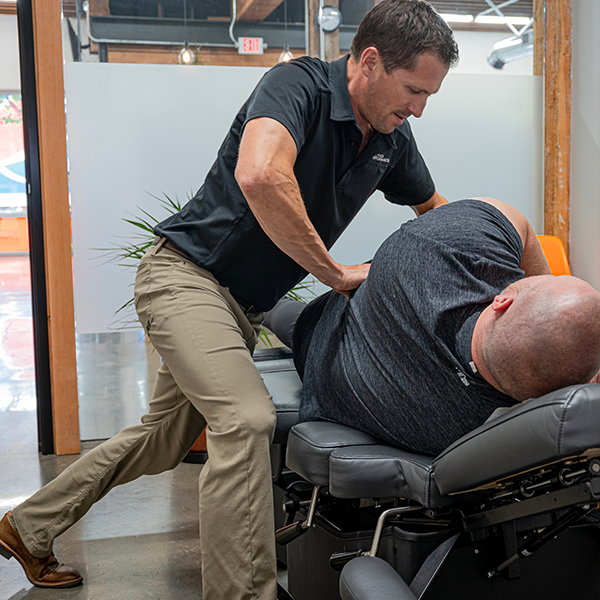
Our approach. Thorough hip joint mobilization and distraction to restore normal mechanics. Manual therapy for the surrounding deep hip muscles. Targeted strengthening that builds control around the hip joint. When imaging or specialist consultation is indicated, we coordinate it promptly.
Full Chain Assessment
Hip problems almost always involve contributions from the lumbar spine, SI joint, and the lower extremity below. A thorough assessment looks at all of it: core stability, lumbar function, pelvic positioning, hip range of motion, knee and ankle mechanics, and gait patterns. Treating only the hip in isolation often misses what is actually driving the problem.
What Recovery Looks Like
Most hip conditions show meaningful improvement within two to six weeks of integrated care. Chronic gluteal tendinopathies may take longer but respond well to shockwave and progressive loading. Severe labral or structural presentations occasionally require longer plans or specialist involvement.
Book your performance evaluation today to get a precise diagnosis and a real plan for your hip pain.
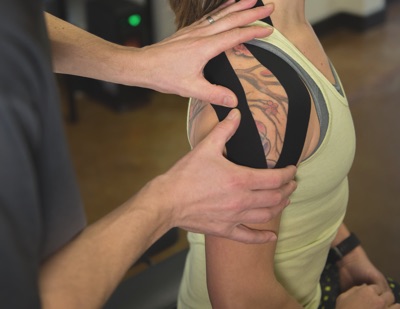
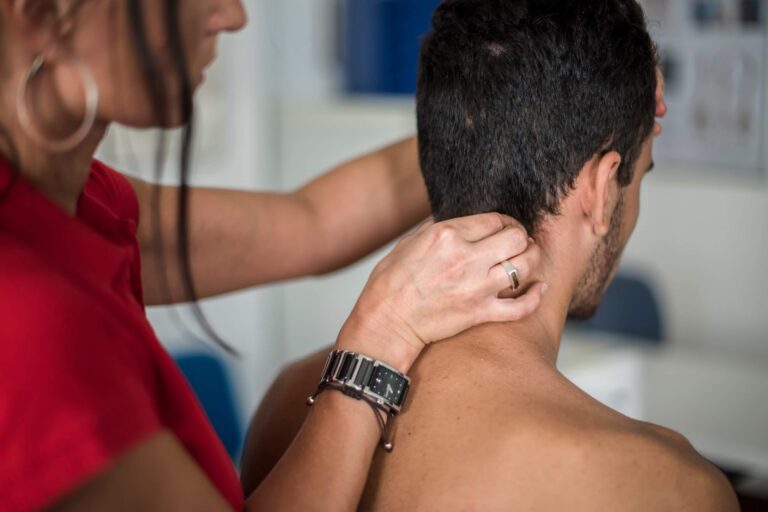
How we Treat Hip Pain, Gluteal Tendonitis, and Hip Flexor Strains
Explore a full range of evidence-informed therapies designed to
reduce pain, restore movement, and support long-term recovery.


Common Symptoms You May Be Feeling
Hip pain shows up in distinct patterns depending on the source. If these match your experience, a full assessment is the right next step.
Book Your Performance Evaluation Today
Dealing with persistent hip pain that has not resolved? Start with a thorough assessment and build a plan for your specific presentation.
Common Questions
The most common cause is gluteal tendinopathy, often involving the gluteus medius and minimus tendons where they attach to the greater trochanter. It frequently responds to integrated conservative care including shockwave therapy and progressive loading.
Mild hip flexor strains typically resolve in two to four weeks with appropriate care. More significant strains may take six weeks or longer. Return to full sport or running depends on severity and demands. Early care meaningfully speeds the timeline.
Possibly, particularly if you have deep groin pain with catching, clicking, or instability. Labral involvement often responds well to conservative care, though some cases require imaging or specialist consultation. Our exam helps sort out which applies.
Often no. Most hip pain can be diagnosed and treated based on clinical examination. Imaging is indicated when symptoms are severe, not responding, or when findings would change the plan. We coordinate imaging when it will help.
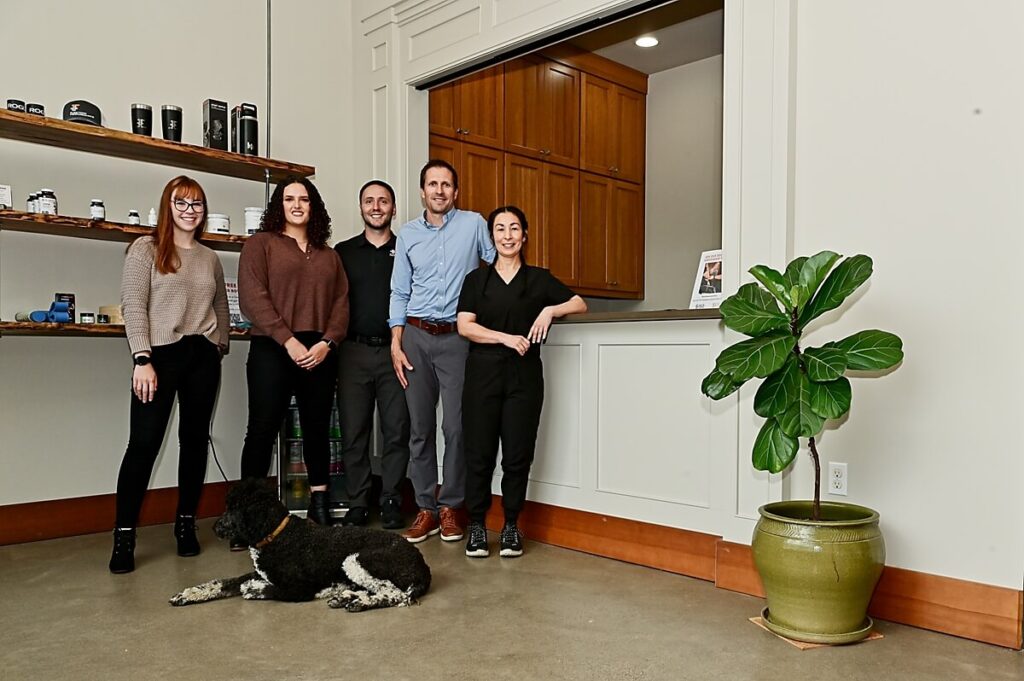
Meet the Team
Our Chiropractic Sports Physicians combine advanced soft tissue training with progressive rehab so you move better, perform better, and live better.
Ben Hokenson DC, DACBSP
Chiropractor
Meet Ben →Dr. Ben is a 2008 graduate of University of Western states earning his doctorate of chiropractic degree with many years of clinical practice and continual training.

Kyle Bangs DC, MS, CCSP, CSCS
Chiropractor
Meet Kyle →Dr. Kyle Bangs is a native to the Pacific Northwest — growing up hiking, fishing and staying active with various sports and recreation in SW Washington.


Certifications and Therapy









Why Choose Function Performance?
Multi-Source Expertise
We treat all the common drivers of hip pain. Our assessment identifies which one (or which combination) is actually driving your symptoms, so treatment hits the target.
Integrated Treatment
Manual therapy, targeted modalities, neurodynamic work, and progressive rehab all happen in the same visit, producing better results faster.
Full-Chain Approach
Hip problems rarely stay isolated. We assess and treat contributions from the low back, SI joint, and full lower extremity chain.

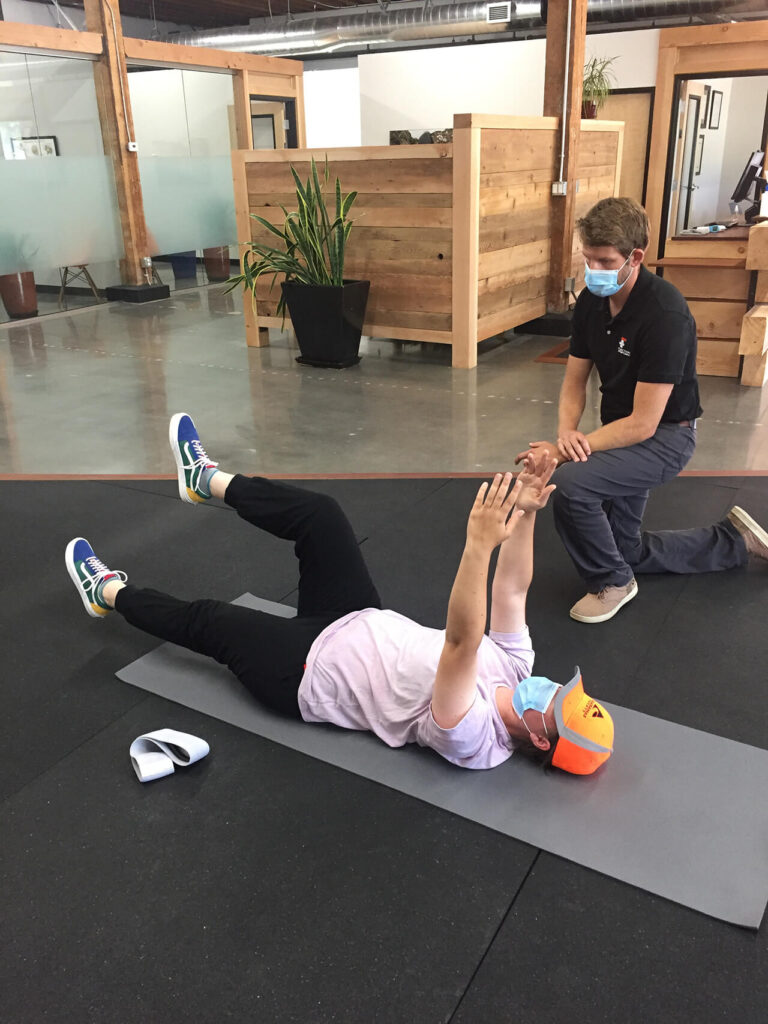
We don’t do cookie-cutter massage. We tailor everything to you.




