
Hip Flexor Tendonitis
Persistent front-of-hip pain, stiffness, and tightness from hip flexor overuse or tendinopathy. Treatable with targeted manual therapy and rehab.

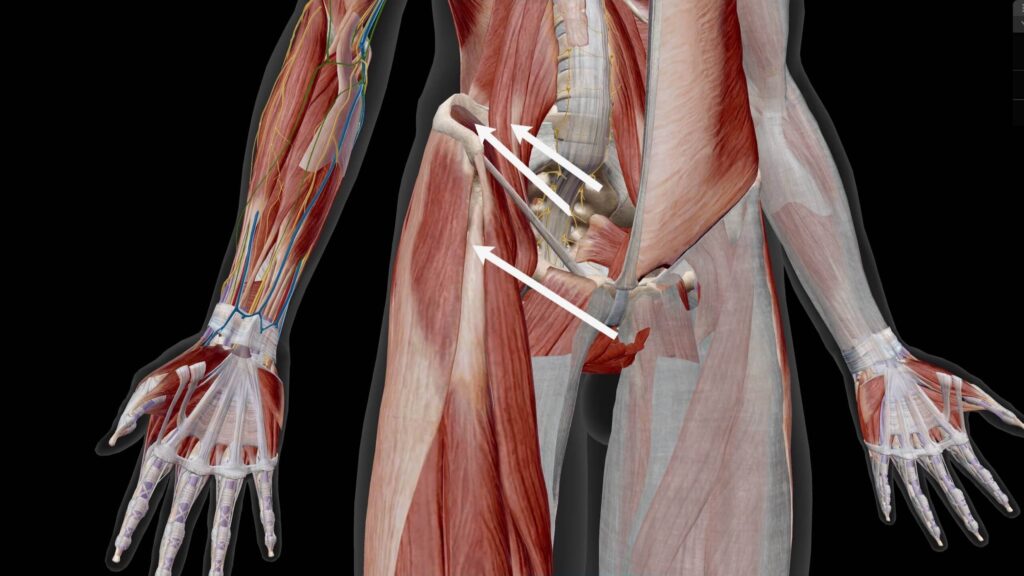
Why Hip Flexor Tightness Resists Stretching
Chronic hip flexor tightness is one of the most common complaints we hear. Patients describe years of stretching without lasting improvement, with the tightness returning within hours or days. The frustration is understandable, and the reason is important: chronic hip flexor problems are rarely about muscle length. They are about tissue health and strength.
At Function Performance Sport Chiropractic in Oregon City, we treat hip flexor tendonitis and related conditions with an approach that addresses the real driver. That typically produces the kind of lasting change that stretching cannot.
The hip flexor group, particularly the iliopsoas, is heavily used in sitting, walking, and running. When overloaded or underpowered relative to demands, the tendons become inflamed or degenerative. Simply stretching a tendinopathic hip flexor often makes it worse. Our approach combines precise soft tissue work, joint mobilization, and progressive loading to restore tendon health and resolve the chronic tightness.
Stretching Alone Does Not Fix This
Chronic hip flexor tightness is rarely about muscle length. It is usually about tissue health and strength. Real resolution requires the right kind of care.
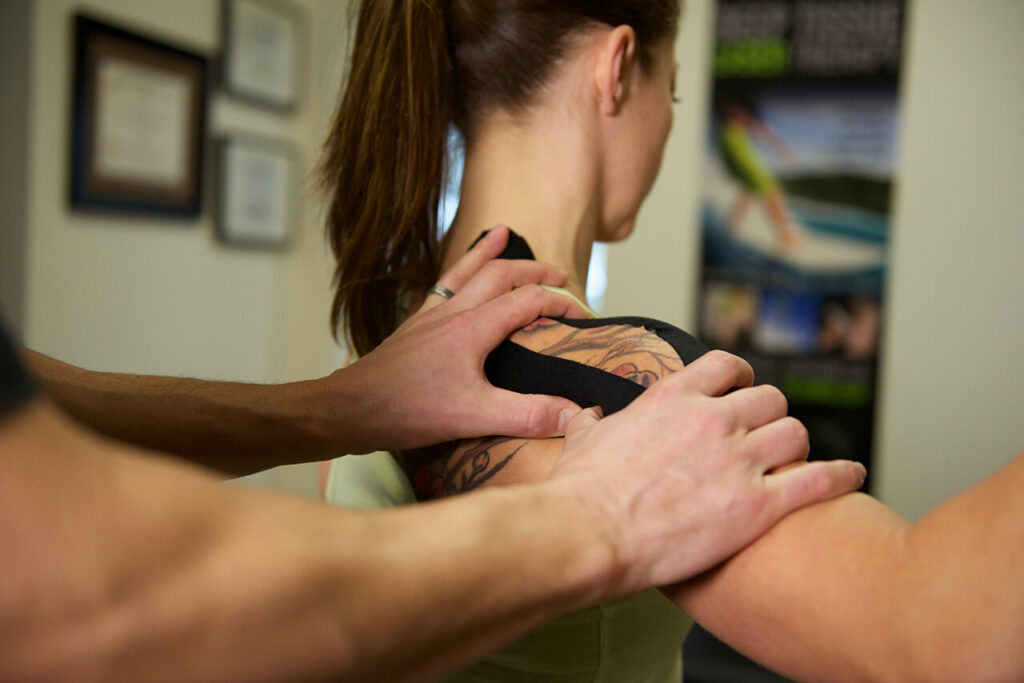
Lasting Relief: Our Approach to Hip Flexor Tendonitis
Understanding Hip Flexor Tendonitis
The hip flexor group includes several muscles, but the most commonly involved in chronic hip flexor pain are:
Iliopsoas. The deep, primary hip flexor, composed of the iliacus and psoas major. Runs from the low back and pelvis to the inner thigh.
Rectus femoris. One of the quadriceps muscles, which also flexes the hip. Often involved in athletes who do lots of kicking, sprinting, or cutting.
Tensor fasciae latae. A smaller muscle at the front and side of the hip, frequently overactive in people with glute weakness.
Tendonitis develops when one or more of these tendons becomes overloaded relative to the tissue’s capacity to handle that load. The result is inflammation in acute phases, progressing to degenerative tendon changes (tendinopathy) in chronic cases.
Why It Happens
Overuse relative to capacity. Sprinting, cutting sports, running, kicking, and similar activities tax the hip flexors heavily. If tissue capacity has not been built to match, tendinopathy develops.
Prolonged sitting. Sitting holds hip flexors in a shortened position for hours a day. Combined with demanding activity, the tissue adapts poorly.
Weak glutes. Underpowered glute muscles force the hip flexors to work harder to stabilize and move the hip, overloading them over time.
Core weakness. Poor core control forces the hip flexors to stabilize the lumbar spine, adding load beyond their designed role.
Compensation for other issues. Hip impingement, labral issues, or lumbar dysfunction can cause the hip flexors to spasm or work overtime.
Our Treatment Approach
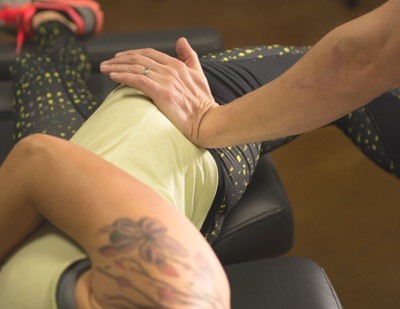
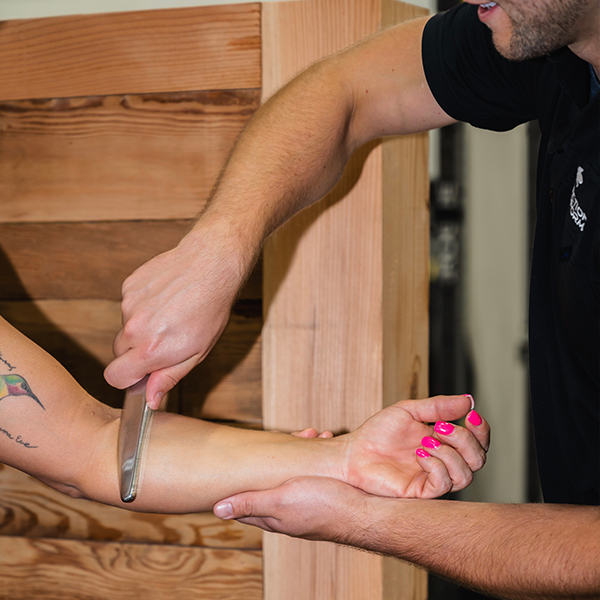
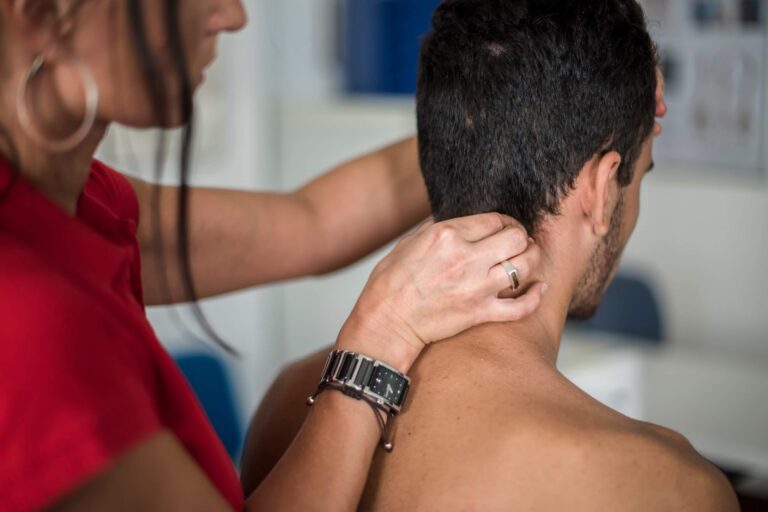
Targeted manual therapy. Precise soft tissue work on the iliopsoas, rectus femoris, and surrounding structures using Active Release Technique, IASTM, and other methods chosen for your specific presentation.
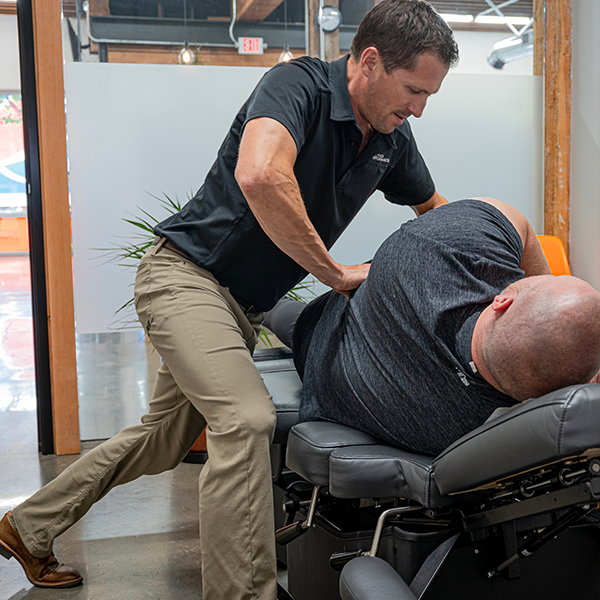
Hip joint mobilization. Hip distraction, capsular mobilization, and joint adjustments to restore normal hip mechanics and unload the compensating hip flexors.
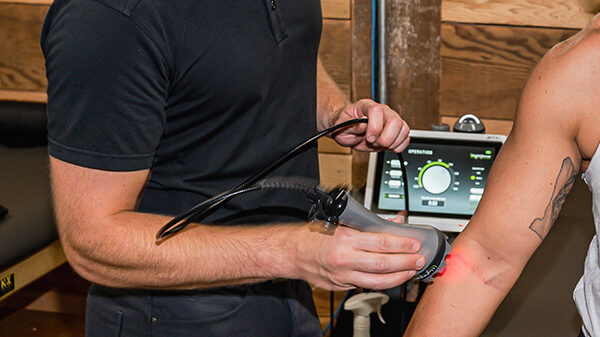
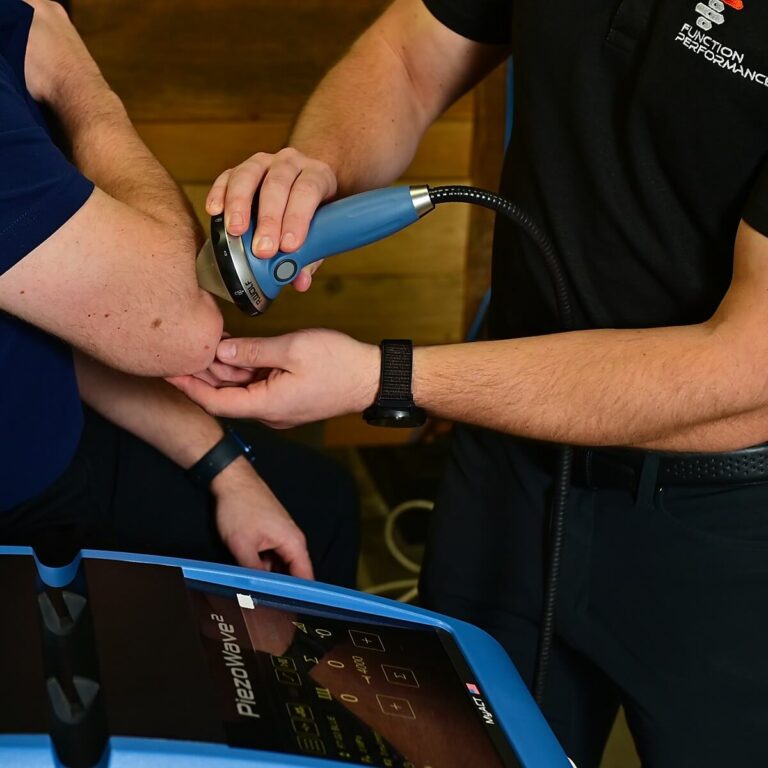
Advanced modalities. Class 4 laser therapy for acute inflammation. Shockwave therapy for chronic tendinopathies that have not responded to other care.
Progressive loading. This is the key piece most care misses. Tendons heal through progressive, controlled loading. We design specific hip flexor loading protocols appropriate to your current capacity and progress them systematically until the tissue is resilient enough for full demand.
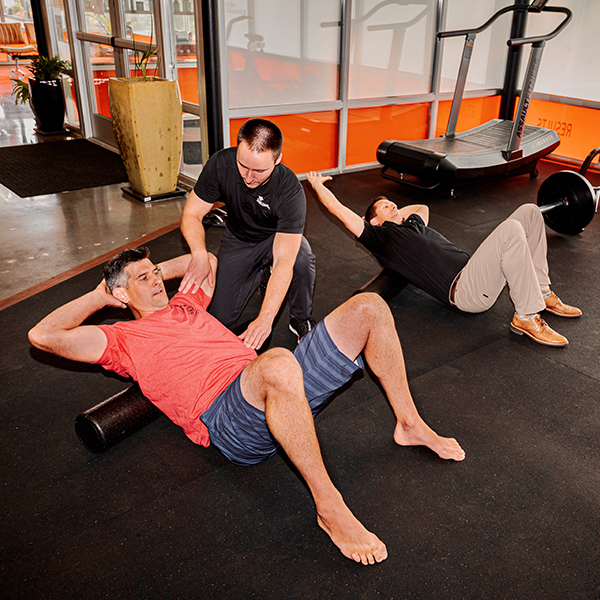
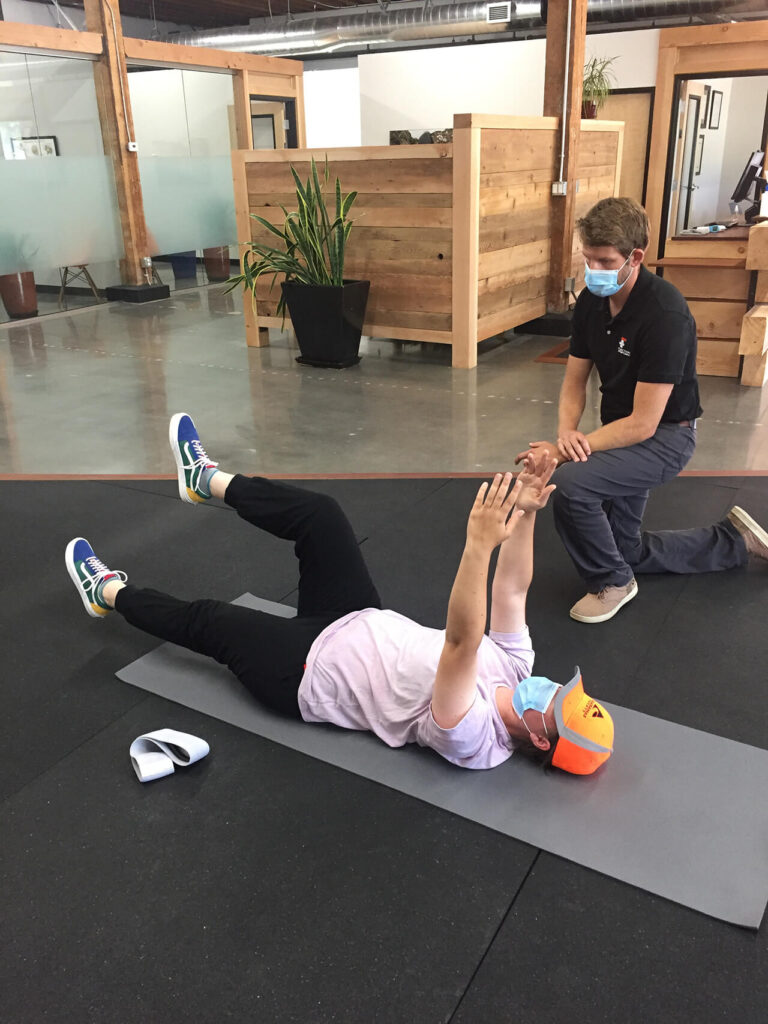
Full chain integration. Glute strengthening, core work, and lumbar stability training to address the patterns that typically contribute to hip flexor overload.
Recovery Timeline
Most cases of hip flexor tendonitis show meaningful improvement within three to six weeks of integrated care. Chronic cases that have been present for months or years may take longer but still respond well to the right approach. Throughout, we track objective markers like strength, pain-free range, and functional capacity so your progress stays clear.
Book your performance evaluation today to stop chasing hip flexor tightness with stretching and start addressing the real cause.

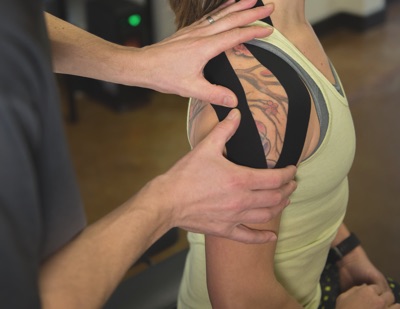
How we Treat Hip flexor tendonitis
Explore a full range of evidence-informed therapies designed to
reduce pain, restore movement, and support long-term recovery.

Common Symptoms You May Be Feeling
Hip flexor tendonitis produces classic patterns. If these match your experience, precise care is the right next step.
Book Your Performance Evaluation Today
Tired of hip flexor tightness that will not resolve? Start with a thorough assessment and get a plan that actually works.

Common Questions
Chronic hip flexor tightness is often driven by tendon dysfunction, weakness, or underlying restrictions rather than actual muscle length. Stretching alone does not address these issues and sometimes makes them worse. Targeted treatment and progressive loading typically produce the real change.
It can, but often does not without intervention, especially in people who continue the activities that caused it. Good conservative care dramatically speeds recovery and addresses the patterns that produce recurrence, making it much worth pursuing.
Most cases show meaningful improvement within three to six weeks of integrated care. Chronic cases that have been present for months or years may take longer. Throughout, we track specific markers so you can see progress clearly.
Usually not completely. We typically modify specific aggravating activities while maintaining general fitness. Complete rest is rarely the answer for tendinopathy. Appropriate loading is actually part of what restores tendon health.
Meet the Team
Our Chiropractic Sports Physicians combine advanced soft tissue training with progressive rehab so you move better, perform better, and live better.
Ben Hokenson DC, DACBSP
Chiropractor
Meet Ben →Dr. Ben is a 2008 graduate of University of Western states earning his doctorate of chiropractic degree with many years of clinical practice and continual training.

Kyle Bangs DC, MS, CCSP, CSCS
Chiropractor
Meet Kyle →Dr. Kyle Bangs is a native to the Pacific Northwest — growing up hiking, fishing and staying active with various sports and recreation in SW Washington.


Certifications and Therapy









Why Choose Function Performance?
Accurate Assessment
Our exam distinguishes true hip flexor tendinopathy from hip impingement, labral issues, or lumbar referral. Different diagnosis, different plan.
Load-Focused Rehab
Tendons heal through progressive loading, not stretching. Our rehab builds tendon capacity so chronic tightness resolves and does not return.
Full Chain Focus
Hip flexor problems often reflect core weakness, glute dysfunction, or lumbar issues. We address the whole chain for lasting results.


We don’t do cookie-cutter massage. We tailor everything to you.




