
Piriformis Syndrome
Deep buttock pain and sciatic-like symptoms from piriformis muscle compression of the sciatic nerve. Often misdiagnosed, highly treatable with precision care.
What Is Piriformis Syndrome?
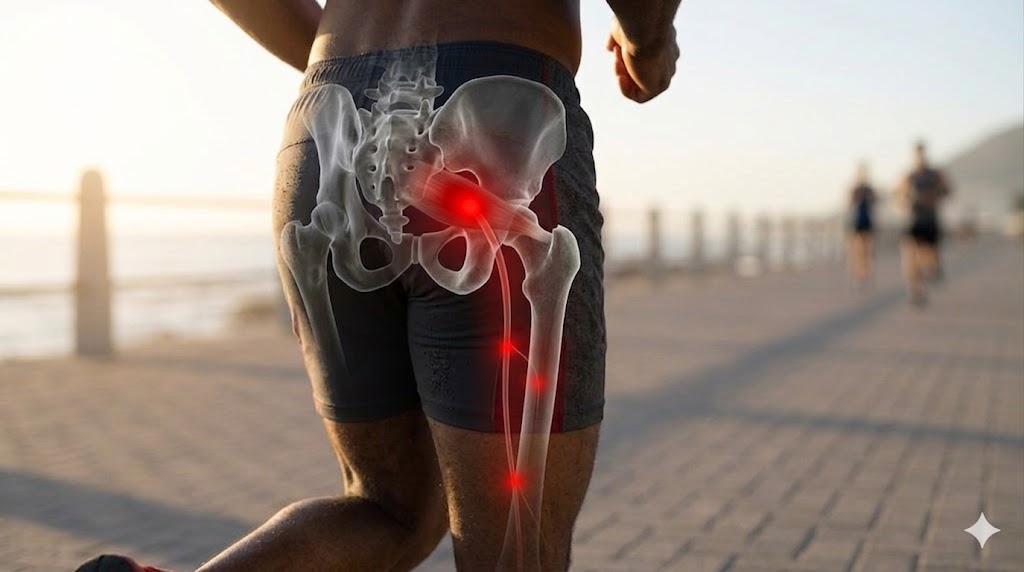
Piriformis syndrome is a condition in which the piriformis muscle, a small muscle deep in the buttock that externally rotates the hip, compresses or irritates the sciatic nerve. The result is deep buttock pain and sciatic-like symptoms that can travel down the leg, often mimicking disc-driven sciatica.
This condition is frequently misdiagnosed. Many patients spend months or years being treated for a lumbar disc problem when the actual issue is piriformis-related. Accurate diagnosis completely changes the outcome.
At Function Performance Sport Chiropractic in Oregon City, we take an approach that distinguishes piriformis syndrome from other sources of leg pain and treats it precisely, at the actual source.
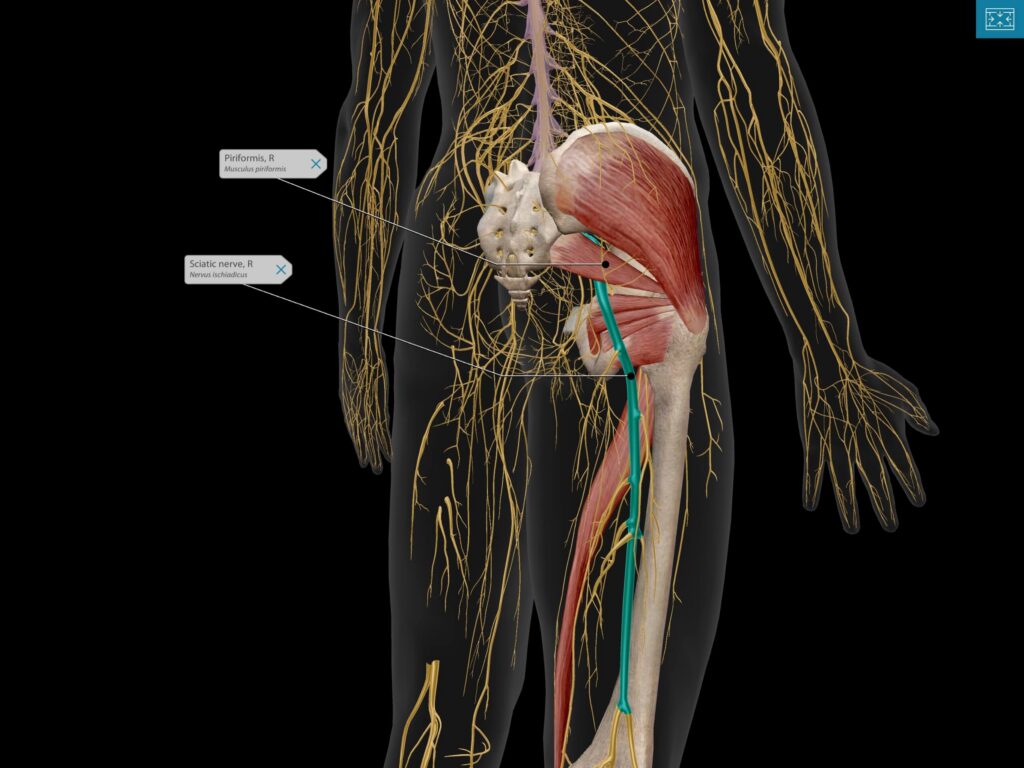
The piriformis is a small muscle deep in the buttock that externally rotates the hip. The sciatic nerve typically runs beneath it, though in some people it runs through or around it. When the piriformis becomes tight, spasmed, or scarred, it can compress or irritate the sciatic nerve, producing symptoms that mimic a disc-driven sciatica. The treatment for piriformis syndrome is completely different from disc-related sciatica, which is why accurate diagnosis matters.
Not All Sciatica Is a Disc Problem
Piriformis syndrome is often misdiagnosed, leading to months of treatment that does not work. Correct identification changes the outcome completely.
Deep Relief: Our Precision Care for Piriformis Syndrome
Why Piriformis Syndrome Happens
The piriformis sits deep in the buttock, and the sciatic nerve typically passes just beneath it (though in some people it passes through or around it). Piriformis syndrome develops when the muscle becomes tight, spasmed, inflamed, or scarred in a way that compresses or irritates the adjacent sciatic nerve.
Common contributing factors include:
-
- Prolonged sitting, especially on hard surfaces or with wallets in back pockets
-
- Glute weakness forcing the piriformis to overwork for hip stability
-
- Trauma to the buttock (falls, impacts) that creates scar tissue
-
- Repetitive rotational movements in sport or daily life
-
- Leg length discrepancies or gait asymmetries
-
- Poor hip mobility causing the piriformis to compensate
These factors often combine over time, with the piriformis gradually becoming restricted and problematic until symptoms emerge.
How We Distinguish It From Disc Problems
Typical piriformis syndrome presentation. Deep one-sided buttock pain. Worse with sitting, especially on hard surfaces or while driving. Pain with hip external rotation stretching or resisted external rotation. Minimal or no back pain. Leg symptoms often more diffuse than the specific dermatomal patterns of disc sciatica.
Typical disc-driven sciatica presentation. Back pain plus leg pain. Specific patterns of radiation (back of leg to calf or foot) tied to the affected nerve level. Worse with coughing, sneezing, or spinal flexion. Often associated with specific neurological signs (weakness, reflex changes) in a radicular pattern.
Many patients have elements of both. Our exam sorts out what is actually driving your symptoms.
Our Treatment Approach
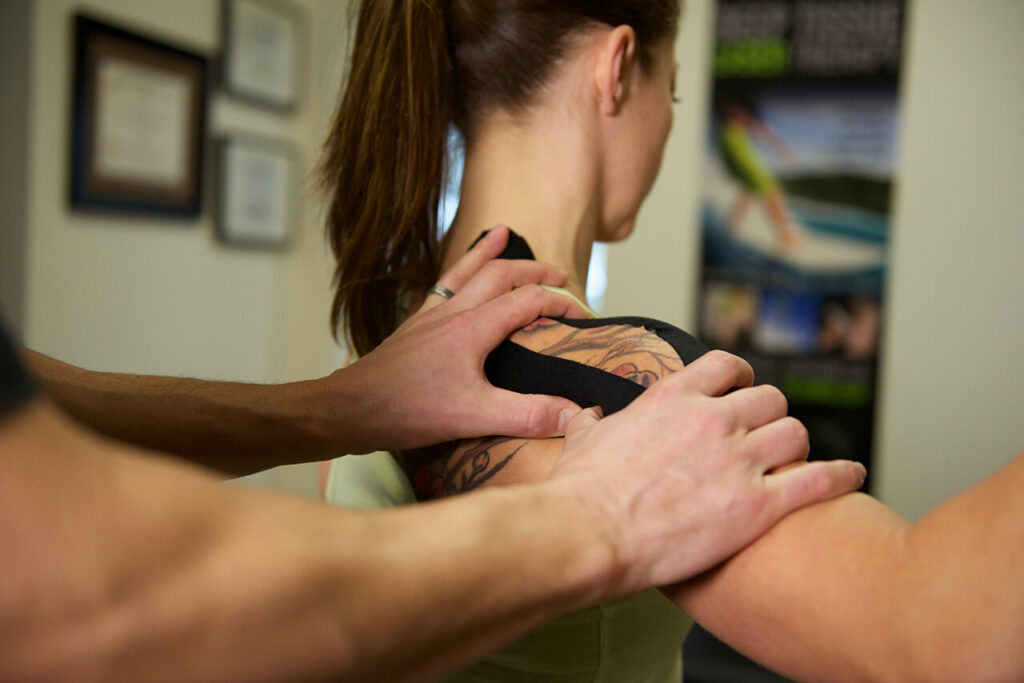
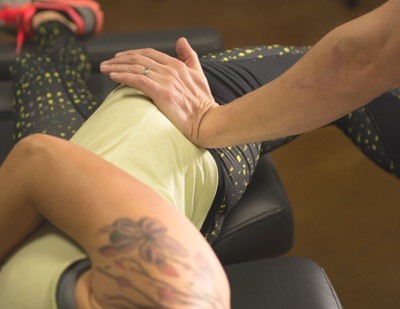
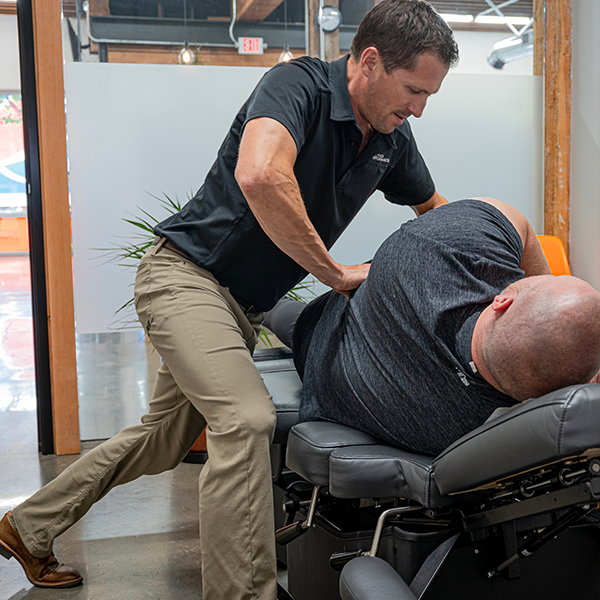
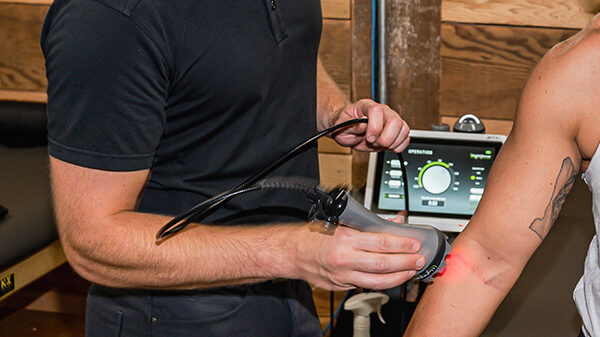
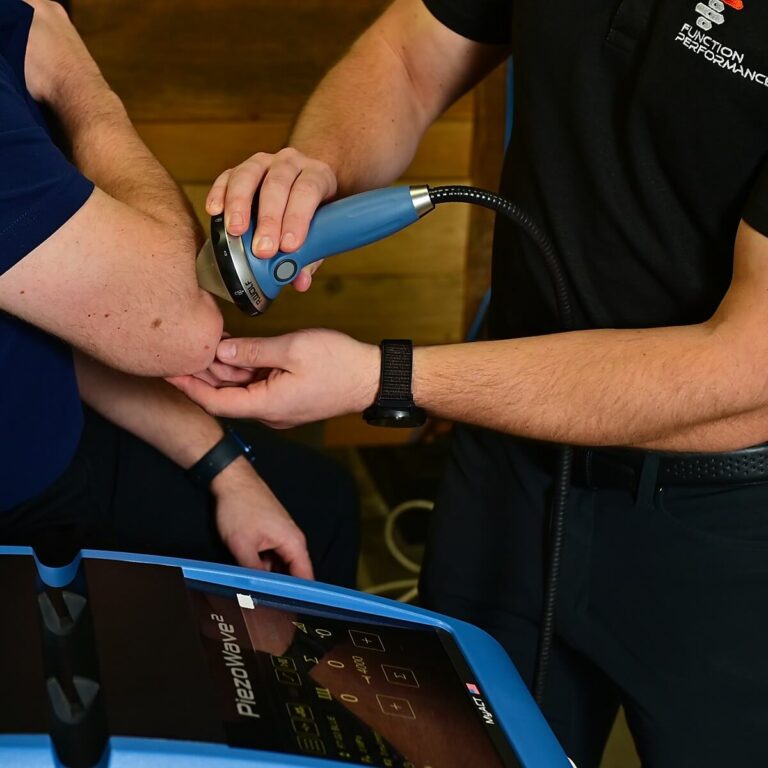
Targeted manual therapy. Deep soft tissue work on the piriformis and surrounding deep hip rotators. Active Release Technique, IASTM, and cupping are particularly effective in this region.
Neurodynamic rehab. Specific sciatic nerve mobilization techniques that restore normal nerve mobility through the buttock and proximal leg.
Joint mobilization. The hip joint and SI joint often contribute to piriformis overload. Addressing these restores normal mechanics and unloads the piriformis.
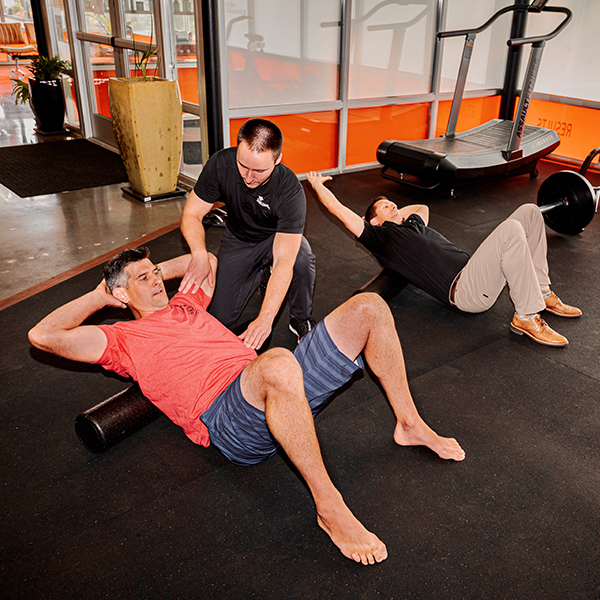
Progressive rehabilitation. Glute strengthening, hip mobility work, and movement retraining. Strong glutes take load off the piriformis. Better hip mobility keeps the piriformis from working overtime.
Activity modification. Practical guidance on sitting postures, car seat adjustments, and activity modifications that support recovery.
What Recovery Looks Like
Most patients feel meaningful relief within the first two to four visits, with full resolution over two to six weeks. Chronic cases may take longer, especially if broader hip dysfunction has been present for years. Throughout, we reassess so your progress stays measurable.
Book your performance evaluation today to get an accurate diagnosis and a plan that actually targets your piriformis syndrome.

How we Treat Piriformis syndrome
Explore a full range of evidence-informed therapies designed to
reduce pain, restore movement, and support long-term recovery.


Common Symptoms You May Be Feeling
Piriformis syndrome has a distinct pattern that distinguishes it from disc-driven sciatica when you know what to look for.
Book Your Performance Evaluation Today
Dealing with deep hip pain or sciatic-like symptoms that have not responded to typical care? This may be exactly what you need.

Common Questions
Both can cause leg pain, but the patterns differ. Piriformis syndrome typically causes deep buttock pain that worsens with sitting, often without back pain. Disc-driven sciatica usually involves back pain and specific patterns of radiation tied to a spinal level. Clinical testing distinguishes them clearly.
Yes, and it is more common than many providers recognize. Our assessment identifies all contributors to your symptoms, and our plan addresses both sources when they coexist.
With integrated care, most cases show meaningful improvement within two to four weeks. More chronic or severe cases may take longer. The resolution timeline depends on how long the compression has been present and how much broader hip dysfunction contributes.
Not aggressively, at least not early. An irritated piriformis with a compressed nerve often gets worse with aggressive stretching. We use specific techniques that calm the muscle and nerve first, then introduce stretching safely as symptoms allow.
Meet the Team
Our Chiropractic Sports Physicians combine advanced soft tissue training with progressive rehab so you move better, perform better, and live better.
Ben Hokenson DC, DACBSP
Chiropractor
Meet Ben →Dr. Ben is a 2008 graduate of University of Western states earning his doctorate of chiropractic degree with many years of clinical practice and continual training.

Kyle Bangs DC, MS, CCSP, CSCS
Chiropractor
Meet Kyle →Dr. Kyle Bangs is a native to the Pacific Northwest — growing up hiking, fishing and staying active with various sports and recreation in SW Washington.


Certifications and Therapy









Why Choose Function Performance?
Accurate Diagnosis
Our thorough exam distinguishes piriformis syndrome from lumbar radiculopathy. Right diagnosis, right plan, faster resolution.
Targeted Manual Therapy
Deep piriformis work, combined with neurodynamic techniques for the sciatic nerve, addresses the actual driver of your symptoms at the source.
Hip Function Restoration
Piriformis problems usually reflect broader hip dysfunction. We address the full picture so the piriformis does not get overloaded again.


We don’t do cookie-cutter massage. We tailor everything to you.




